
Pruning
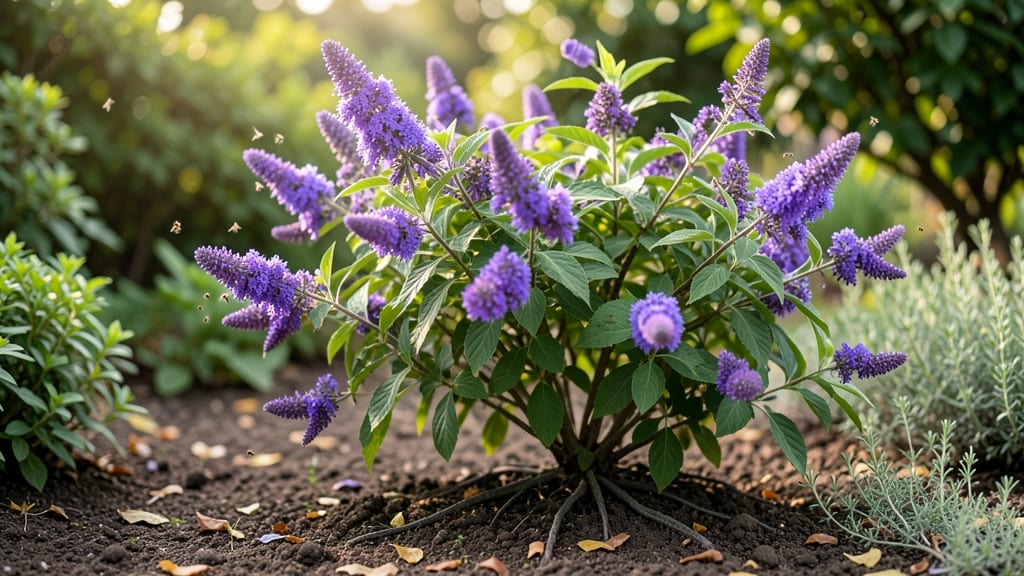
The secret to explosive butterfly bush growth lies in timing your pruning right—variety-specific cuts mean the difference between a bush bursting with blooms and one that stays leggy and sparse. 🌿 I’ve watched my own go from a sad, overgrown mess to a pollinator magnet in just one season, and the secret lies in when (and how) you prune. Some varieties bloom on old wood, others on new—get that wrong, and you’ll end up with bare stems when butterflies should be swarming.
Start with the right spot: full sun (at least 6 hours daily) and well-draining soil, or your bush will fight you every step. Water deeply after planting, then let the roots establish before cutting back. Most gardeners overwater, which leads to weak stems and fewer blooms.
Once established, these bushes are drought-tolerant—so don’t drown them. The key is pruning in late winter or early spring, just as new growth begins to push, but timing shifts for early vs. late bloomers.
By mid-summer, you’ll see the payoff: clusters of fragrant blooms that attract hundreds of butterflies and hummingbirds, turning your yard into a living garden party. The right pruning keeps the shape compact, encourages dense foliage, and ensures blooms appear when pollinators need them most.
Even if you’ve neglected yours before, this method works—just start now and watch the transformation.
Pro tip: Deadhead spent blooms to push more flowers, and fertilize lightly in spring. If your bush looks bare, it might be time to prune back harder next winter. The goal isn’t perfection—it’s more blooms, more butterflies, and less stress. Let’s get growing!
📚 In This Guide
- What you need
- Instructions
- Tips and common mistakes
- Wrapping up and next steps
What you need
- ● Pruning shears: Sharp, bypass-style shears (for clean cuts on smaller stems). Quantity: 1 pair (or a small set if pruning multiple bushes).
- ● Loppers: Heavy-duty, bypass or anvil-type (for thicker stems, ½"–1" diameter). Quantity: 1 pair.
- ● Hand pruners: For fine-tuning and delicate cuts (e.g., shaping or removing small suckers). Quantity: 1 pair.
- ● Garden gloves: Cut-resistant and gardening-specific (to protect hands from thorns and sap). Quantity: 1 pair.
- ○ Disinfectant (optional but recommended): 70% isopropyl alcohol or rubbing alcohol to clean tools between cuts (prevents disease spread). Quantity: Small bottle.
- ● Heavy-duty trash bags or bucket: For collecting pruned debris (butterfly bushes produce lots of cuttings!). Quantity: 1–2 (depending on bush size).
- ● Garden twine or zip ties: To secure large branches temporarily if they’re too heavy to support themselves. Quantity: Small roll.
- ● Extension pole saw: For high-reaching branches (3–6 ft tall bushes benefit from this!).
- ● Hose or water spray bottle: To rinse tools and clean sap off hands post-pruning.
- ● Plant food or compost: Balanced fertilizer (10-10-10) or compost to nourish the bush after heavy pruning.
- ○ Marking spray (optional): Bright-colored spray paint to tag stems for removal (helpful for large bushes).
Instructions for maximizing butterfly bush blooms through pruning
Here's how to keep your butterfly bush thriving—variety matters, and timing makes all the difference.
✂️ Step 1: Identify Your Variety and Pruning Group
Butterfly bushes fall into two pruning groups: spring-blooming (like 'Purple Smoke' or 'Pink Velour') and summer-blooming (like 'Moonlight' or 'Black Beauty'). Spring-bloomers set buds on old wood, so prune right after flowering. Summer-bloomers produce flowers on new growth, so prune in late winter or early spring before buds break.
Look for tags or check your plant’s name—mixing up these groups can mean missed blooms. I always mark mine with a flag in winter so I don’t forget. If you’re unsure, observe when your bush flowers: spring types bloom early, summer types wait until mid-to-late summer.
⏰ Step 2: Time Your Pruning for Peak Growth
For spring-blooming varieties, wait until 2-3 weeks after flowers fade (usually June or July). This gives the plant time to store energy in the roots for next year’s blooms. Cut back one-third of the oldest stems to encourage new growth and air circulation.
For summer-blooming types, prune in late winter or early spring (just as new shoots appear). Remove dead or weak stems first, then trim the rest back by one-third to shape the bush. This ensures fresh growth for that second flush of blooms in summer.
🌿 Step 3: Prune for Shape and Airflow
Start by removing any dead, diseased, or crossing branches—these steal energy and block sunlight. Use clean, sharp pruners to make 45-degree cuts just above a leaf node or outward-facing bud. This encourages bushier growth and prevents future problems.
Shape the bush by thinning out the center to improve airflow. Butterfly bushes love sunlight, and crowded centers invite pests and fungal issues. Step back occasionally to check your work—you’re aiming for an open, rounded shape that lets light reach all stems.
💧 Step 4: Feed and Water After Pruning
After pruning, apply a balanced, slow-release fertilizer (like 10-10-10) to support new growth. Water deeply to help the plant recover, but avoid soggy soil—these bushes hate wet feet. Mulch around the base with 2-3 inches of organic mulch to retain moisture and protect roots.
Watch for new shoots emerging within 2-3 weeks. If your bush looks stressed, give it a light feeding with a low-nitrogen fertilizer (like 5-10-10) to encourage blooms over leafy growth. Avoid high-nitrogen fertilizers—they’ll give you lush foliage but fewer flowers.
☀️ Step 5: Monitor for Regrowth and Adjust Light
Place your butterfly bush in full sun (at least 6-8 hours daily) for the best blooms. If you notice leggy growth or sparse flowers, it’s getting too little light. Move it to a sunnier spot or supplement with a grow light during short winter days.
By mid-summer, your bush should be full and flowering. If it’s not, check for pests like spider mites or aphids—these can stress the plant. A quick spray with neem oil keeps them at bay without harming butterflies. With the right pruning, yours will be the bush every pollinator flocks to!
Tips & tricks for perfect butterfly bush growth
These simple tricks will help you avoid common mistakes and get the most vibrant blooms from your butterfly bush.
Variety-Specific Timing: The 2-3 weeks after spring blooms fade is critical for spring-bloomers. Mark your calendar when flowers appear so you're ready to prune at the perfect moment. For summer types, prune in late winter when you first see green shoots emerging—this ensures you don't cut off next year's flower buds.
Pruning Precision: When you cut back one-third of the oldest stems, focus on the thickest, woodiest branches first. These are the ones stealing energy from new growth. Use clean pruners and make cuts at a 45-degree angle just above a leaf node—this encourages bushier regrowth and prevents disease entry points.
Post-Pruning Care: The 2-3 inches of organic mulch after pruning isn't just decorative—it's essential. This layer helps retain moisture, regulates soil temperature, and prevents weeds that compete with your butterfly bush. Water deeply after applying mulch to settle it properly.
Light Monitoring: Those 6-8 hours of daily sunlight are non-negotiable for maximum blooms. If your bush starts looking leggy with sparse flowers, it's time to move it to a sunnier location. Even just an hour more of morning sun can make a dramatic difference in flower production.
Pro Tips for Butterfly Bush Growth
- These simple tricks will help you avoid common mistakes and get the most vibrant blooms from your butterfly bush.
- Variety-Specific Timing: The 2-3 weeks after spring blooms fade is critical for spring-bloomers.
- Pruning Precision: When you cut back one-third of the oldest stems, focus on the thickest, woodiest branches first.
Frequently asked questions
about butterfly bush growth—your go-to guide for quick answers to common pruning and care dilemmas!When is the best time to prune my butterfly bush for maximum blooms?
Pruning timing depends on your variety! For Buddleia davidii (the classic butterfly bush), prune late winter or early spring (just before new growth starts) to encourage dense, vibrant blooms. Buddleia alternifolia (summer lilac) thrives with light pruning in late winter or post-bloom thinning to shape growth. Avoid heavy cuts after July—this can reduce next year’s flowers.
Can I prune butterfly bushes in fall or winter?
Pruning in fall or winter is generally not recommended unless you’re in a mild climate (Zones 8+). Cold snaps can stress newly cut stems, and late pruning may delay spring blooms. If you must prune, wait until after the first hard frost and avoid heavy cuts. Focus on removing dead or diseased wood instead.
Why aren’t my butterfly bushes blooming as much as they used to?
Lack of blooms often stems from over-pruning, poor nutrition, or wrong timing. Check these fixes:
- Prune correctly: Use variety-specific times (see above).
- Fertilize lightly: Use a balanced 10-10-10 or low-phosphorus formula in early spring.
- Check sunlight: Butterfly bushes need full sun (6+ hours/day).
- Thin old wood: If stems are woody, prune back to younger growth to rejuvenate.
Are there butterfly bush alternatives with easier care?
Yes! If you want low-maintenance blooms that attract butterflies, try:
- Butterfly weed (Asclepias tuberosa): Drought-tolerant, perennial, and no pruning needed.
- Coneflower (Echinacea): Blooms all summer with minimal upkeep.
- Russian sage (Perovskia atriplicifolia): Silvery foliage + purple spikes, prune once a year.
- Milkweed (Asclepias spp.): Essential for monarchs, cut back in late winter.
These plants thrive with less fuss but still draw pollinators!
How hard can I prune my butterfly bush without killing it?
Butterfly bushes are tough and resilient, but avoid overly aggressive cuts. You can safely:
- Remove up to 1/3 of the plant in late winter for shaping.
- Cut back old, woody stems to 6–12 inches from the ground to encourage new growth.
- Avoid topping (cutting flat across the top)—this stresses the plant.
If you prune too late (after July), you’ll likely lose next year’s flowers. When in doubt, prune lightly and observe how the plant responds!
Wrapping up and next steps
Growing a thriving butterfly bush is all about timing and technique—whether you're pruning for spring blooms or late-season color. By understanding your variety (like Buddleia davidii or Buddleia alternifolia) and following the right pruning schedule, you’ll unlock vibrant blooms and healthier growth.
Remember: patience and precision pay off with a bush that attracts butterflies year after year! 🦋
Now that you’re armed with the know-how, grab those shears and get pruning! Start by marking your calendar for next year’s cuts, and don’t forget to share your progress—we’d love to see your butterfly bush in full glory. Happy gardening! 🌿