
Pruning
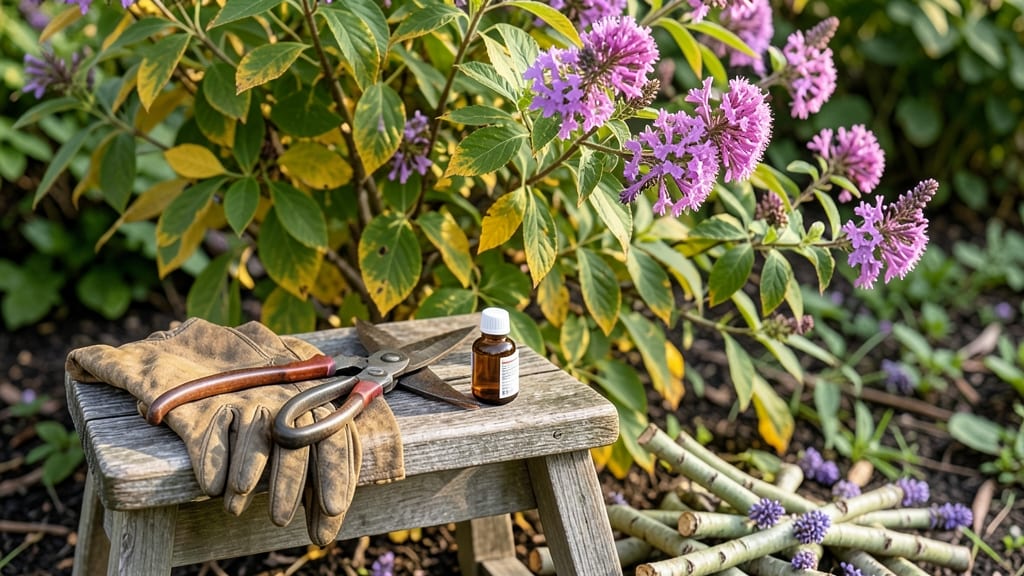
This butterfly bush pruning guide will help you achieve nonstop blooms this year if you prune it right. ✂️ I’ve turned my once-sparse shrub into a pollinator magnet by mastering seasonal cuts—it’s all about timing, shape, and knowing when to stop.
The key is understanding how these fast growers produce flowers, so you don’t accidentally prune away next season’s blooms.
You’ll need just three tools: sharp bypass pruners, loppers for thicker stems, and a clean pair of gloves. Start in late winter or early spring before new growth begins—this is when you shape the bush for strong structure and remove dead wood.
Summer pruning is all about light trims to encourage continuous blooms without stressing the plant.
After pruning, you’ll see thick, velvety foliage emerge within weeks, followed by clusters of fragrant flowers that attract butterflies by the dozens. The secret? Cut back one-third of old wood each year to keep the plant youthful and productive.
Overgrown bushes often bloom less because they’re putting energy into maintenance, not flowers.
This method works for both small patio bushes and large landscape specimens. The same principles apply whether you’re pruning a 3-foot dwarf or a 10-foot giant. Let’s get those blooms going strong—your garden’s pollinators will thank you.
📚 In This Guide
- What you need
- Instructions
- Tips and common mistakes
- Wrapping up and next steps
What you need
- ● Pruning shears or loppers: Sharp, clean, and bypass-style (for clean cuts). Choose 4- to 6-inch blades for thick stems (1/2-inch diameter or larger). Disinfect with rubbing alcohol before and after use to prevent disease spread.
- ● Hand pruners: For smaller branches (up to 1/2-inch thick). Opt for ergonomic, bypass-style pruners for precision.
- ● Gloves: Heavy-duty, cut-resistant (e.g., mechanic’s gloves) to protect against thorns and sap.
- ● Safety glasses: To shield eyes from debris when cutting thick branches.
- ● Disposable pruning bags or bucket: For collecting trimmings (10-20 gallon capacity recommended).
- ● Rake or broom: To clear fallen leaves/debris from the base after pruning.
- ○ Pruning sealant (optional but helpful): For large cuts (e.g., tree wound pruning paste) to prevent disease entry.
- ● Extension pole saw: For high branches (if your bush is tall, 6-10 feet).
- ● Ladder (stable, 3-sided): For safety with tall bushes (ensure it’s rated for your weight).
- ● Marking spray or tape: To tag branches for removal (useful for large-scale pruning).
- ● Compost bin: To recycle trimmings (butterfly bushes are not invasive in compost!).
- ● First-aid kit: For minor cuts or scrapes (just in case!).
Step-by-Step guide to pruning butterfly bushes for year-round blooms
Here's how I keep my butterfly bushes flowering like crazy—through spring, summer, and even fall.
✂️ Step 1: Late Winter or Early Spring Rejuvenation Cut
Start by removing any dead, diseased, or crossing branches—these compete with healthy growth and attract pests. I use clean, sharp pruners to make cuts just above a bud or lateral branch (never leave stubs). This is your chance to reshape the bush while it's still dormant, so you won't be sacrificing blooms.
For established bushes, cut back one-third of the oldest wood to encourage new growth. You'll see thicker stems and more vigorous blooms later. If your bush looks leggy, trim the tallest stems back by half their height—this forces energy into lower branches and creates a fuller shape.
✂️ Step 2: Post-Bloom Summer Pruning for Continuous Flowers
Butterfly bushes bloom on new wood, so you can prune right after each flush of flowers without worrying about next year's blooms. After the first big bloom cycle, cut back spent flower clusters to the nearest set of leaves. This prevents seed formation and redirects energy into fresh growth.
I like to do this every 4-6 weeks during the growing season. Watch for new buds forming—when you see them, it's time to stop pruning for a few weeks. The goal is to keep the bush in a constant cycle of blooming, not letting it get too woody between cuts.
✂️ Step 3: Light Summer Trimming for Shape and Airflow
Throughout the growing season, do light maintenance pruning to maintain shape and improve airflow. Remove any branches growing inward or rubbing against others—these create weak spots and invite fungal diseases. I also trim back any overly long stems to encourage bushier growth.
Never remove more than 25% of the foliage at once, or you'll stress the plant. A good rule is to only trim what feels necessary for health, not aesthetics. You'll notice the bush fills out more evenly and has fewer bare spots if you keep up with this regular light pruning.
✂️ Step 4: Fall Cleanup Before Dormancy
In late fall, after the final flush of blooms, do a light cleanup cut to remove any dead or dying branches. This prevents pests from overwintering in dead wood. Cut back any stems that look weak or diseased, but leave healthy growth intact—you want the bush to enter winter with as much energy as possible.
I also remove any seed pods that have formed, as these can drain energy from the plant. A quick pass with pruners to tidy up the bush ensures a cleaner start in spring. Don't worry about shaping at this point—just focus on removing anything that could cause problems next season.
✂️ Step 5: Optional Renewal Pruning for Older Bushes
If your butterfly bush is more than 5 years old and looking tired, consider a renewal pruning in late winter. Cut back two-thirds of the oldest stems to just a few inches above the ground. It looks drastic, but the bush will send up fresh, vigorous growth from the base.
This is a last-resort technique for bushes that have become woody or sparse. You won't see blooms that first season, but by the second year, you'll have a bush that looks and performs like it's half its age. Just be patient—it takes time for the new growth to mature.
Tips & tricks for pruning butterfly bushes like a pro
Here's what nobody tells you about keeping your butterfly bushes blooming nonstop—these are the secrets I've learned after years of trial and error.
Timing is Everything: In Step 1, when you're cutting back one-third of the oldest wood, I've found that late February to early March is ideal for most climates. If you live in a warmer zone, wait until the last frost date—pruning too early can stimulate growth that gets damaged by cold snaps. For leggy bushes, mark the tallest stems with a ribbon before cutting; this helps you visualize the new shape you're creating.
Visual Cues for Summer Pruning: During the 4-6 week summer pruning cycle in Step 2, look for these signs: when new buds form, stop pruning immediately. These buds indicate the bush is preparing for its next bloom cycle, and cutting them off will delay flowering. I also watch for seed pods—they're a clear signal to prune that branch, as they're energy vampires for your plant.
Renewal Pruning Recovery: If you choose the renewal pruning in Step 5, expect the bush to look like a stump for a full season. This is normal! The key is to water deeply every 7-10 days during the first growing season after pruning. I've seen bushes that looked completely dead at this stage come back with 50% more blooms in their second year. Patience really pays off here.
Tool Maintenance Matters: Your pruners are just as important as your technique. Clean them with rubbing alcohol after each use to prevent disease spread between cuts. I sharpen mine every spring using a diamond file—dull blades crush stems instead of making clean cuts, which stresses the plant. A good pair of pruners should last you decades if properly maintained.
Pro Tips for Butterfly Bush Pruning Guide
- Here's what nobody tells you about keeping your butterfly bushes blooming nonstop—these are the secrets I've learned after years of trial and error.
- Timing is Everything: In Step 1, when you're cutting back one-third of the oldest wood, I've found that late February to early March is ideal for most climates.
- Visual Cues for Summer Pruning: During the 4-6 week summer pruning cycle in Step 2, look for these signs: when new buds form, stop pruning immediately.
Frequently asked questions
Got questions about keeping your butterfly bush in tip-top shape? We’ve got answers! Here are some of the most common queries from gardeners just like you.
When is the best time to prune a butterfly bush?
The ideal time to prune is late winter or early spring (before new growth starts). You can also do a light trim after flowering to encourage more blooms. Avoid heavy pruning in fall—it can leave the plant vulnerable to cold damage.
How much can I cut back my butterfly bush?
You can prune up to ⅓ of the plant’s height in one go, but avoid cutting back more than that. For older bushes, you can even reduce them to 12–18 inches from the ground to rejuvenate growth. Just don’t remove all the stems—leave some to support new blooms!
What if my butterfly bush isn’t blooming after pruning?
If your butterfly bush skips blooms, it might be due to over-pruning, poor sunlight, or nutrient deficiencies. Try fertilizing with a balanced bloom booster and ensure it gets 6+ hours of sun daily. Lightly prune again in early spring to encourage fresh growth.
Can I prune butterfly bushes in summer?
Yes, but lightly! Summer pruning should focus on removing dead or overgrown branches to improve airflow. Avoid heavy cuts—this can stress the plant and reduce fall/winter blooms. If you must prune, do it early in the season (June or July).
What’s the difference between hard and soft pruning?
Soft pruning
involves light trims (removing deadwood or shaping) to maintain health. Hard pruning means cutting back ⅓ or more of the plant to rejuvenate growth. Butterfly bushes respond well to both—just adjust based on the plant’s age and health!
Wrapping up and next steps
Pruning your butterfly bush doesn’t have to be intimidating—with the right timing, tools, and techniques, you’ll reward yourself (and pollinators!) with vibrant blooms year-round. Remember: spring and fall are your best friends, while deadheading keeps flowers coming.
Now that you’re armed with this guide, grab those shears and give your bush the TLC it deserves!
Ready to take it further? Experiment with shaping or even propagate cuttings—your butterfly bush’s potential is endless! 🌿✨