
How To
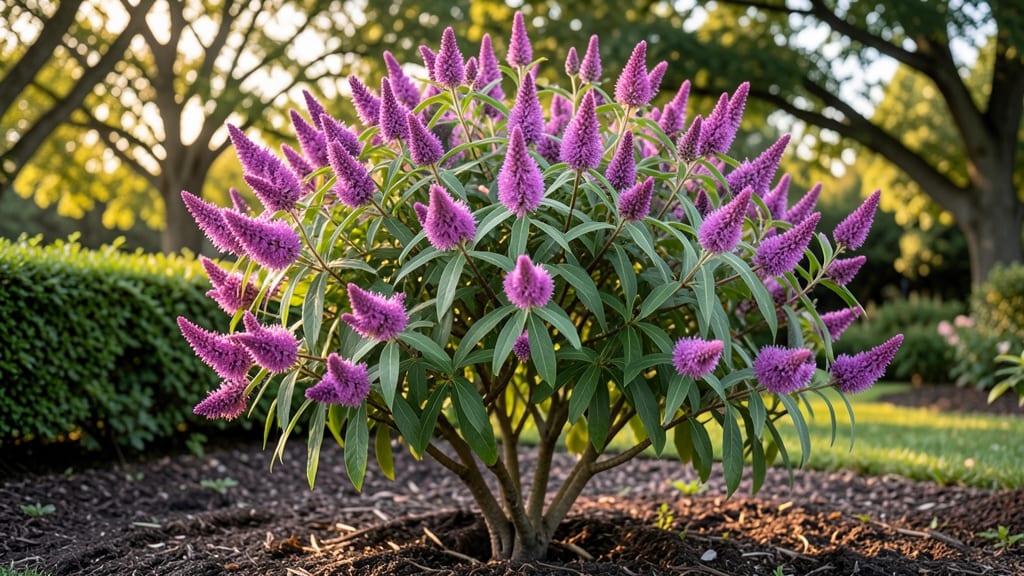
Butterfly bushes bloom for 6 to 8 weeks in peak season, turning your garden into a pollinator paradise with their fragrant clusters 🦋.
But here’s the catch: without the right care, that vibrant display can fade faster than you’d expect. Many gardeners assume these hardy shrubs will keep flowering nonstop, only to see their blooms dwindle by mid-summer. The secret to extending that colorful show? It’s all in the timing and technique.
From pruning strategies that coax a second flush of flowers to climate factors that can shorten or lengthen the bloom period, there’s more to butterfly bush care than meets the eye.
Whether you’re in USDA Zone 6a or further south, small adjustments can turn a two-month display into a three-month spectacle.
Ready to unlock the full potential of your butterfly bush? Discover the pruning hacks and seasonal tips that’ll keep those blooms coming all summer long—and learn how to deadhead for year-round color.
Butterfly bush bloom duration: seasonal timeline by variety and climate
Butterfly bushes (Buddleia davidii) are famous for their long-lasting blooms that dance with pollinators, but their flowering duration varies wildly by variety and climate zone.
Most standard types bloom for 6-8 weeks during peak summer, while newer hybrids like the ‘Lo & Behold’ series can extend that to 10+ weeks with proper care. Understanding these timelines helps you plan your garden for maximum color and pollinator support.
Your local USDA hardiness zone plays a huge role—warmer zones (USDA 8-10) often see earlier and longer blooms starting as early as May, while cooler zones (USDA 5-7) may delay blooming until June or July.
Some varieties even produce second flushes if given the right conditions, creating a near-continuous display.
| Variety | Peak Bloom Months | Total Bloom Duration | Climate Adaptability | Rebloom Potential |
|---|---|---|---|---|
| Buddleia davidii (Standard) | July-August | 6-8 weeks | USDA 5-9 | Low (needs hard prune) |
| ‘Lo & Behold’ Series | June-September | 10-12 weeks | USDA 5-10 | High (minimal prune) |
| ‘Blue Chip’ | July-September | 8-10 weeks | USDA 6-9 | Moderate (light prune) |
| ‘Pink Delight’ | August-September | 6-8 weeks | USDA 6-10 | Low (needs rejuvenation) |
| ‘Nanho Blue’ (Dwarf) | July-August | 5-7 weeks | USDA 6-9 | Moderate (light prune) |
The ‘Lo & Behold’ series stands out as the longest-blooming variety, often producing flowers from June through September in ideal conditions. These compact shrubs (3-5 feet tall) were bred specifically for extended flowering and pollinator appeal, making them perfect for smaller gardens or container growing.
Their secret? They bloom on new wood, meaning they’ll keep producing flowers as long as you maintain them properly.
In cooler climates (USDA 5-6), expect blooms to start later (late June or July) and fade sooner (early September). However, if you live in USDA zone 8 or warmer, you might see two bloom cycles—one in spring and another in fall.
This is especially true for varieties like ‘Blue Chip’, which thrives in heat and humidity.
One common misconception is that butterfly bushes bloom nonstop once they start. In reality, their flowers fade gradually from the bottom of the stem upward, creating a cascading effect.
To extend the show, focus on deadheading spent blooms and providing consistent moisture during dry spells. This simple trick can add 2-4 extra weeks of color to your garden.
If you’re in a shorter growing season (USDA 5-6), choose varieties like ‘Lo & Behold Purple Haze’ or ‘Lo & Behold Lemonade’. These were developed to rebloom naturally and handle cooler temperatures better than traditional types.
Pair them with late-season fertilizers in early summer to encourage a second flush of blooms.
For year-round color, combine butterfly bushes with perennials that bloom at different times, like coneflowers (summer-fall) or salvias (spring-summer). This layered approach ensures your garden stays vibrant from May through October, even if your butterfly bush’s main bloom cycle is shorter.
Pro tip: Take notes on your local bloom
5 Pruning hacks to extend butterfly bush blooms for months longer
Butterfly bushes typically bloom for 6-8 weeks in summer, but with the right pruning techniques, you can stretch that into 3-4 months of continuous color. The key lies in understanding when and how to prune—timing is everything for encouraging reblooming.
Many gardeners mistakenly prune at the wrong time, cutting off potential second flushes entirely. Let’s fix that with science-backed hacks that work.
First, recognize that butterfly bushes are semi-deciduous shrubs with two main growth cycles: early summer blooms on old wood (last year’s growth) and potential reblooms on new wood (current season’s growth). Pruning too late or too early disrupts this natural rhythm.
For example, if you prune in late fall, you’ll remove next year’s flower buds before they form. But if you prune in early spring, you can shape the plant while preserving old wood blooms.
One of the biggest mistakes gardeners make is pruning after the first frost. Cold temperatures signal the plant to go dormant, and late pruning removes next year’s flower buds before they’ve formed.
Instead, wait until late winter or early spring (just as buds swell) to prune. This timing ensures you’re not cutting off potential blooms while still shaping the plant for the season ahead.
For reblooming varieties like ‘Lo & Behold’ or ‘Miss Ruby,’ focus on light summer pruning after the first flush fades. Cut back spent stems to the nearest leaf node, but avoid removing more than one-third of the plant’s foliage at once.
This encourages the plant to redirect energy into new blooms rather than stressing itself with too much regrowth.
Pro tip: If your butterfly bush isn’t reblooming, check its sun exposure. These shrubs need full sun (6+ hours daily) to produce their best flowers. Even partial shade can reduce blooming time by 30-50%.
Pair your pruning hacks with a sunny spot, and you’ll see dramatic improvements in both bloom duration and flower abundance.
Ready to transform your butterfly bush into a year-round pollinator magnet? Start with these pruning hacks this spring, and watch your blooms stretch from June through October—or even later in mild climates! 🦋