
Pruning
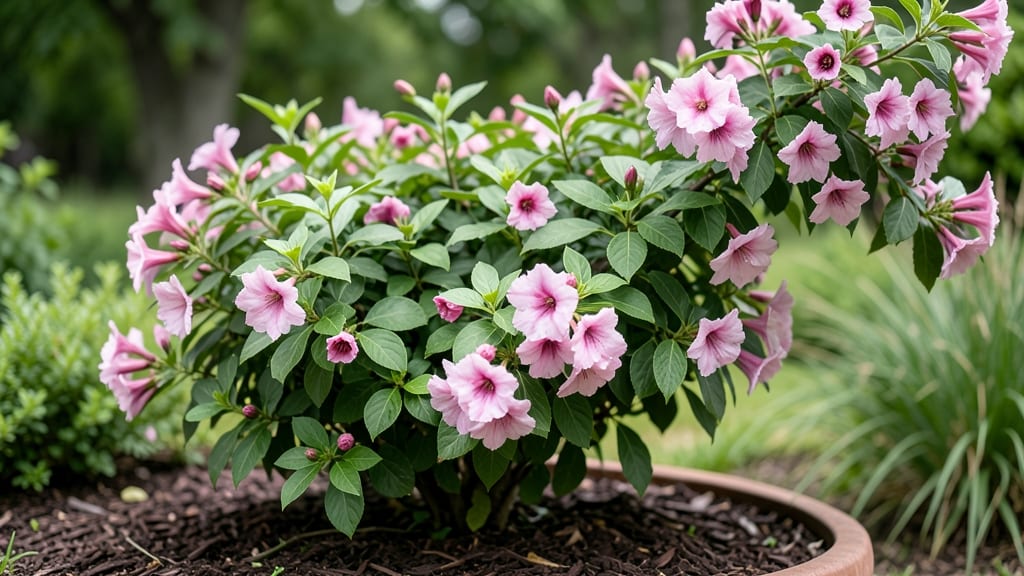
The care of Weigela bush thrives when you prune it right, and I’ll show you exactly how. ✂️ The secret to vibrant blooms and lush foliage lies in understanding when and how to trim—spring, summer, and even winter play a role in keeping this plant healthy year-round.
Weigela loves full sun but tolerates partial shade, and its soil needs are simple: well-draining, slightly acidic mix with a touch of compost. Water consistently during the first year to establish roots, then let the top inch dry between waterings.
The key is balance—too much water causes root rot, while too little stresses the plant.
With proper pruning, your Weigela will reward you with showstopping blooms in spring and summer, and even a few late-season flowers. The best part? Pruning in late winter or early spring encourages new growth, while light summer trims keep the shape neat without sacrificing next year’s flowers.
Whether you’re dealing with leggy growth or overcrowded branches, this guide covers everything—from tools to timing. Let’s get your Weigela looking its best for seasons to come!
📚 In This Guide
- What you need
- Instructions
- Tips and common mistakes
- Wrapping up and next steps
What you need
- ● Pruning shears: Sharp, bypass-type shears (2–4 inches long) for clean cuts. Pro tip: Replace blades if dull! ⚡
- ● Hand pruners: For smaller branches (2–3 inches long).
- ● Loppers: For thicker stems (6–8 inches long).
- ● Gloves: Heavy-duty, cut-resistant gloves to protect hands from thorns.
- ● Disinfectant: 70% isopropyl alcohol or bleach solution (1 part bleach : 9 parts water) to sterilize tools between cuts.
- ○ Pruning sealant (optional but helpful): For larger cuts to prevent disease (e.g., tree wound paint).
- ● Garden twine or ties: To secure branches if shaping.
- ● Extension pole: For high branches (3–6 feet long).
- ● Safety glasses: If working near eyes or in dusty conditions.
- ● Marking spray: To highlight areas for removal (e.g., bright pink spray).
- ● Compost bin: For collecting pruned branches.
- ● Notebook & pen: To jot down pruning notes or seasonal reminders! ✨
How to maintain a thriving weigela bush through every season
This is the simple routine I follow to keep my weigela blooming like crazy year after year.
🌿 Step 1: Water Deeply and Consistently After Planting
Weigela bushes need 1-2 inches of water per week during their first growing season to establish strong roots. Water deeply 2-3 times per week until the soil is 6-8 inches deep and evenly moist—you'll know it's right when water drips from the bottom of the pot or soil. Avoid shallow watering that only wets the surface; this encourages weak root growth.
After the first year, established weigela bushes become drought-tolerant, but they still prefer consistent moisture. Check soil moisture by sticking your finger 2 inches down—if it feels dry, water again. Mulch around the base with 2-3 inches of organic mulch (like shredded bark) to retain moisture and regulate soil temperature. This also prevents weeds from competing for water.
☀️ Step 2: Provide Full Sun for Best Bloom Production
Weigela thrives in full sun (6-8 hours daily) for maximum flowering. Plant yours where it gets morning sun and afternoon shade in hot climates—this prevents leaf scorch while still encouraging blooms. If your weigela isn't flowering well, it might be getting too much shade; move it to a sunnier spot next spring.
Watch for yellowing leaves or leaf drop in late summer—this often means the plant is getting too much direct afternoon sun. If that happens, provide afternoon shade with a sheer curtain or nearby tree. Container-grown weigela may need rotating the pot weekly to ensure even growth and prevent leaning toward the light.
✂️ Step 3: Prune in Late Winter or Early Spring
Prune your weigela just as new growth begins in late winter or early spring—this is when the plant is dormant but about to wake up. Remove dead, diseased, or crossing branches first, cutting back to the nearest healthy bud. Then, shape the bush by cutting back 1/3 of the oldest stems to encourage new growth and more flowers.
Never prune in fall or early winter—this removes next year's flower buds. Use clean, sharp pruners to make cuts at a 45-degree angle just above a leaf node. If you see pale green or white buds on the stems, leave them—they'll become next year's blooms. After pruning, apply a balanced fertilizer (like 10-10-10) to support new growth.
🌱 Step 4: Fertilize and Mulch for Year-Round Health
Feed your weigela in early spring with a slow-release granular fertilizer or balanced liquid fertilizer (like 10-10-10). Follow package instructions for dosage—over-fertilizing can burn roots and reduce flowering. After fertilizing, water deeply to help nutrients soak into the soil. Repeat in mid-summer if your bush looks pale or leggy.
Top off the mulch layer in early spring to 2-3 inches thick, keeping it 2-3 inches away from the trunk to prevent rot. This helps retain moisture, regulates soil temperature, and suppresses weeds. If your weigela starts dropping leaves in late summer, it might be stressed from too much fertilizer—reduce feeding and increase watering to help it recover.
⏰ Step 5: Monitor for Pests and Diseases
Weigela is generally pest-resistant, but watch for aphids or spider mites on new growth. If you see sticky residue (honeydew) or tiny webs, spray the plant with neem oil or insecticidal soap—these are organic and effective. For severe infestations, repeat treatment every 7-10 days until pests disappear.
Fungal issues like powdery mildew (white powdery spots) or leaf spot (brown spots with yellow halos) can occur in humid conditions. Improve airflow by pruning crowded branches and avoid overhead watering. If you spot these, remove affected leaves and apply fungicide (like copper-based spray) as a preventative measure. Keep an eye out for borers—small holes in stems mean it's time to prune out infected branches immediately.
Tips & tricks for perfect weigela bush care
Here's what nobody tells you about keeping your weigela thriving through every season—these simple tricks make all the difference.
Watering Wisdom: In Step 1, when you're establishing that deep watering routine, use a moisture meter or try the "squeeze test" on the soil—if it holds together when pressed, it's moist enough. For container-grown weigela, water until it drains completely from the bottom, then wait until the top inch feels dry before watering again. This prevents both overwatering and underwatering, which are the two biggest causes of stress in young plants.
Sunlight Strategy: If your weigela isn't flowering well despite the 6-8 hours of sun, check for nearby structures casting shade during peak bloom times (late morning to early afternoon). I've seen bushes in full sun locations that still struggled because of reflected heat from light-colored walls or pavement. A simple solution is to plant it where it gets morning sun and afternoon shade in hotter climates—this prevents leaf scorch while still encouraging blooms.
Pruning Precision: In Step 3, when you're cutting back those oldest stems, look for the pale green or white buds—they're your future flowers! Cut just above these buds at a 45-degree angle to prevent water from pooling on the cut. I always sanitize my pruners with rubbing alcohol between cuts to prevent spreading any potential diseases that might be hiding in the plant. This keeps your weigela healthy and flowering for years to come.
Fertilizer Timing: The early spring and mid-summer feeding schedule in Step 4 is perfect, but here's the secret: split that mid-summer feeding into two smaller applications—once in early summer and again in late summer. This gives your weigela a steady supply of nutrients without overwhelming it, which is especially important if you notice any leaf drop in late summer. Think of it as giving your plant a gentle nudge rather than a heavy dose all at once.
Pro Tips for Care Of Weigela Bush
- Here's what nobody tells you about keeping your weigela thriving through every season—these simple tricks make all the difference.
- Watering Wisdom: In Step 1, when you're establishing that deep watering routine, use a moisture meter or try the "squeeze test" on the soil—if it holds together when pressed, it's moist enough.
- Sunlight Strategy: If your weigela isn't flowering well despite the 6-8 hours of sun, check for nearby structures casting shade during peak bloom times (late morning to early afternoon).
Frequently asked questions
Got questions about keeping your Weigela bush thriving? You’re not alone! Here are answers to the most common concerns—from pruning puzzles to pest worries—so you can enjoy lush blooms year after year.
When is the best time to prune a Weigela bush?
Prune your Weigela right after flowering (late spring to early summer) to encourage fresh blooms. Avoid heavy cuts in fall or winter, as new growth may freeze. Light shaping in late winter (before buds swell) is fine, but avoid over-pruning—these bushes love their structure!
How much can I trim back a Weigela bush?
Never remove more than 1/3 of the plant’s height in one season. For rejuvenation, cut back older wood (2–3 years old) by half in early spring. Younger stems (1-year-old) can be trimmed lightly to shape. Pro tip: Use clean, sharp shears to avoid tearing bark.
What pests or diseases commonly affect Weigela bushes?
Watch for aphids, spider mites, or powdery mildew—especially in humid climates. Treat aphids with a strong spray of water or insecticidal soap. For mildew, improve airflow and apply fungicide if needed. Japanese beetles can skeletonize leaves; handpick them early in the day.
Can Weigela bushes survive winter in cold climates?
Most Weigela varieties tolerate USDA Zones 4–8, but young plants or tender varieties may need winter protection. Mulch the base with 2–3 inches of organic mulch and wrap the bush with burlap if temps drop below -20°F. Prune damaged branches in early spring.
Why isn’t my Weigela bush flowering this year?
Lack of blooms often stems from over-pruning (cutting back too late or too hard) or poor nutrition. Feed with a balanced fertilizer in early spring. Also, ensure it gets 6+ hours of sunlight—shady spots reduce flowering. If the bush is leggy, prune selectively to encourage new growth.
Are there dwarf Weigela varieties for small gardens?
Yes! Try ‘Wine and Roses’ (3–4 ft tall) or ‘Midnight Wine’ (4–5 ft) for compact options. These thrive in containers or tight spaces while still producing vibrant blooms. Just follow the same care rules—sunlight, pruning, and watering—for a low-maintenance beauty.
Wrapping up and next steps
With the right seasonal care, your Weigela bush can thrive year-round, blooming beautifully and staying healthy for seasons to come! 🌸 Remember, the key is timing—pruning in late winter or early spring, fertilizing in early spring, and keeping an eye out for pests or diseases will set you up for success.
Don’t let overwhelm hold you back; start small, stay consistent, and enjoy the rewarding process.
Ready to give your Weigela the love it deserves? Grab your pruners, check the weather, and get trimming! Your future blooms will thank you. 🌿✨