
Shrubs
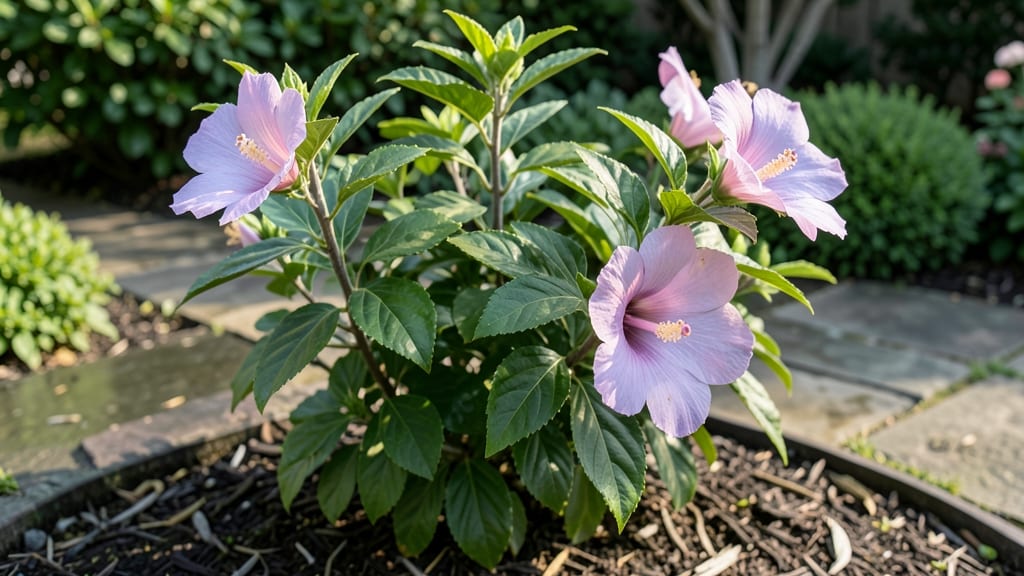
Caring for Rose of Sharon bushes thrives with minimal pruning—just three strategic cuts a year keep them blooming like crazy. ✨ I’ve learned the hard way that over-pruning turns these tough shrubs into sad, leggy sticks, but the right approach transforms them into the showstopper of your landscape. These bushes reward patience: plant them once, feed them well, and they’ll reward you with vibrant blooms from July through September—and sometimes even into fall. The secret lies in understanding their natural growth pattern and working with it, not against it. You’ll end up with a bush that’s dense, disease-resistant, and packed with flowers—the kind neighbors admire and photograph. The best part? Once established, they handle drought and neglect better than most shrubs, making them perfect for busy gardeners. Let’s break down the exact timing, tools, and techniques that keep these bushes looking their best with almost no effort.
📚 In This Guide
- What you need
- Instructions
- Tips and common mistakes
- Wrapping up and next steps
What you need
- ● Watering can or hose (5+ gallons capacity for deep watering)
- ● Well-draining potting mix (for containers) or compost-enriched garden soil (for in-ground planting)
- ● Organic fertilizer (balanced 10-10-10 or rose-specific formula, 1–2 tbsp per bush)
- ● Pruning shears (sharp, bypass-style, disinfected with rubbing alcohol)
- ● Mulch (2–3 inches of wood chips or pine straw to retain moisture)
- ● Gloves (heavy-duty for thorns and handling soil)
- ○ Support stake or trellis (optional but helpful for tall varieties)
- ● Soil pH tester (ideal range: 6.0–7.0)
- ● Drip irrigation system (for consistent moisture)
- ● Fungicide spray (preventative for powdery mildew)
- ● Garden kneeler or stool (for comfort during pruning)
- ● Plant food spray (foliar feed for extra nutrients)
Instructions: year-round health for Rose of Sharon bushes
Here's how I keep my Rose of Sharon thriving with just a few strategic cuts each season—no overpruning, no stress.
🌱 Step 1: Late Winter Pruning to Encourage New Growth
Wait until late winter, just as buds begin to swell but before any new growth appears. This timing ensures you're cutting back old wood while preserving next season's blooms. I grab my sharp bypass pruners and make clean cuts at a 45-degree angle, about ¼ inch above a healthy outward-facing bud.
The goal is to remove up to ⅓ of the oldest stems—these are the ones that flowered last season and are now woody. You'll recognize them by their thicker, darker bark. Never remove more than this; Rose of Sharon is resilient but not indestructible. After pruning, rake up and discard all debris to prevent fungal diseases from overwintering.
☀️ Step 2: Summer Maintenance for Airflow and Blooms
During the growing season, focus on selective thinning rather than heavy pruning. After each flush of blooms, trim back spent flower clusters to encourage more blooming. Use the same 45-degree cut technique, but this time aim for the first set of leaves below the spent bloom.
Watch for crossing branches that rub together—they create wounds where disease can enter. Remove one of the offending branches at its base, cutting just outside the branch collar. Thin out crowded stems to improve airflow, which prevents powdery mildew. I do this every 6-8 weeks throughout the growing season, and my bushes reward me with nonstop color.
✂️ Step 3: Fall Cleanup to Prepare for Winter
As temperatures drop below 50°F but before hard frost, do a final light pruning to remove any dead, diseased, or weak stems. This isn't about shaping—it's about sanitation. I also trim back any leggy growth that might be damaged by winter winds. Cut back to the nearest healthy bud or lateral branch.
Apply a 2-3 inch layer of mulch around the base, but keep it 6 inches away from the trunk to prevent rot. I use shredded hardwood mulch because it breaks down slowly and insulates roots. This step is critical for zones with harsh winters—Rose of Sharon can tolerate -15°F, but mulch helps protect roots from freeze-thaw cycles.
⏰ Step 4: Spring Check-In for Health and Structure
In early spring, when new growth emerges but before leaves fully unfurl, do a quick assessment. Look for any stems that died over winter—these will be brittle and dark. Cut them back to the ground immediately. You might also find some stems that grew at odd angles; prune these to maintain an open, vase-like shape.
This is also the time to fertilize lightly with a balanced 10-10-10 fertilizer if your soil is poor. I scatter granules around the drip line and water them in. Avoid heavy feeding—Rose of Sharon thrives on minimal nutrition. Water deeply once a week if rainfall is insufficient, ensuring the root zone stays moist but not soggy.
Tips & tricks for perfect Rose of Sharon maintenance
Here's the secret to keeping your Rose of Sharon bushes looking effortlessly stunning—these are the details that make all the difference between a bush that merely survives and one that thrives with vibrant blooms.
Timing is Everything: In Step 1, that "late winter" window is more precise than you might think. Look for the moment when buds begin to swell but haven't yet broken open—this is your cue. I've learned the hard way that cutting too early removes potential blooms, while waiting too long risks damaging new growth. Mark your calendar for early March in most climates, but adjust 1-2 weeks earlier if you're in a warmer zone like Zone 8 or later if you're in Zone 4. The key is to catch that exact moment when nature signals it's time.
The 45-Degree Cut Technique: That angled cut isn't just for looks—it's about directing water away from the stem to prevent rot. When you're making those cuts in Step 1 or Step 2, imagine you're creating a tiny roof that sheds water naturally. I always test my pruners first by making a few practice cuts on a small branch to ensure they're sharp enough to create that clean angle without tearing the bark. Dull pruners crush stems, inviting disease right at the cut site.
Mulch Matters More Than You Think: In Step 3, that 2-3 inch layer of mulch isn't just decoration—it's insulation. The secret here is to fluff it up after applying so it settles to exactly 2 inches (it compresses when wet). I also create a slight mound around the base to help direct water away from the trunk. For extra protection in Zone 5 and colder, I add a thick layer of straw mulch on top of the hardwood mulch—this creates a cozy blanket that can make the difference between a bush that survives winter and one that thrives through it.
Visual Cues for Spring Assessment: During your spring check-in (Step 4), look for these telltale signs: healthy new growth should be bright green and slightly glossy, while dead stems will appear grayish-brown and snap easily when bent. I also check for "epicormic shoots"—those little sprouts that grow along the main stem. These are actually a sign of stress, not health, so remove them completely at the base. This simple visual assessment helps me spot problems before they become serious.
Pro Tips for Caring For Rose Of Sharon Bushes
- Here's the secret to keeping your Rose of Sharon bushes looking effortlessly stunning—these are the details that make all the difference between a bush that merely survives and one that thrives with vibrant blooms.
- Timing is Everything: In Step 1, that "late winter" window is more precise than you might think.
- The 45-Degree Cut Technique: That angled cut isn't just for looks—it's about directing water away from the stem to prevent rot.
Frequently asked questions
How often should I water my Rose of Sharon bush?
Water deeply once a week during the first growing season to encourage strong root development. Once established (after 1–2 years), they’re drought-tolerant—water only during prolonged dry spells. Pro tip: Mulch around the base to retain moisture and suppress weeds.
Can I prune my Rose of Sharon at any time of year?
Prune late winter or early spring (before new growth starts) to shape the bush and remove dead wood. Avoid heavy pruning in fall—it can stimulate tender new growth that won’t survive winter. Light cleanup (removing dead blooms) is fine year-round.
What pests or diseases should I watch for?
Keep an eye out for Japanese beetles (chew leaves) and powdery mildew (white fungal spots). Treat beetles with neem oil or insecticidal soap. For mildew, improve airflow and apply fungicide if needed. Prevention tip: Space bushes 6–8 feet apart to reduce humidity buildup.
Why isn’t my Rose of Sharon blooming?
Blooms thrive with full sun (6+ hours/day) and well-draining soil. If it’s not flowering, check for:
- Shade: Move to sunnier spot.
- Over-fertilizing: Use balanced fertilizer spring only.
- Old wood: Prune to stimulate new growth.
Are there cold-hardy alternatives to Rose of Sharon?
Yes! Try these low-maintenance shrubs for similar beauty and resilience:
- Butterfly Bush (Buddleia) – Drought-tolerant, attracts pollinators.
- Spirea (Spiraea) – Blooms all summer, thrives in poor soil.
- Abelia (Abelia x grandiflora) – Evergreen in mild climates, fragrant flowers.
Wrapping up and next steps
Caring for your Rose of Sharon bushes doesn’t have to be complicated—just consistent!
With the right balance of sunlight, water, and minimal pruning, these stunning shrubs will reward you with vibrant blooms year after year. 🌸 Now that you’re armed with expert tips, take the next step: grab your pruners and give your bushes a little love—they’ll thrive with your attention!
Need extra inspiration? Share your progress or ask questions in the comments below—we’re here to cheer you on!