
Shrubs
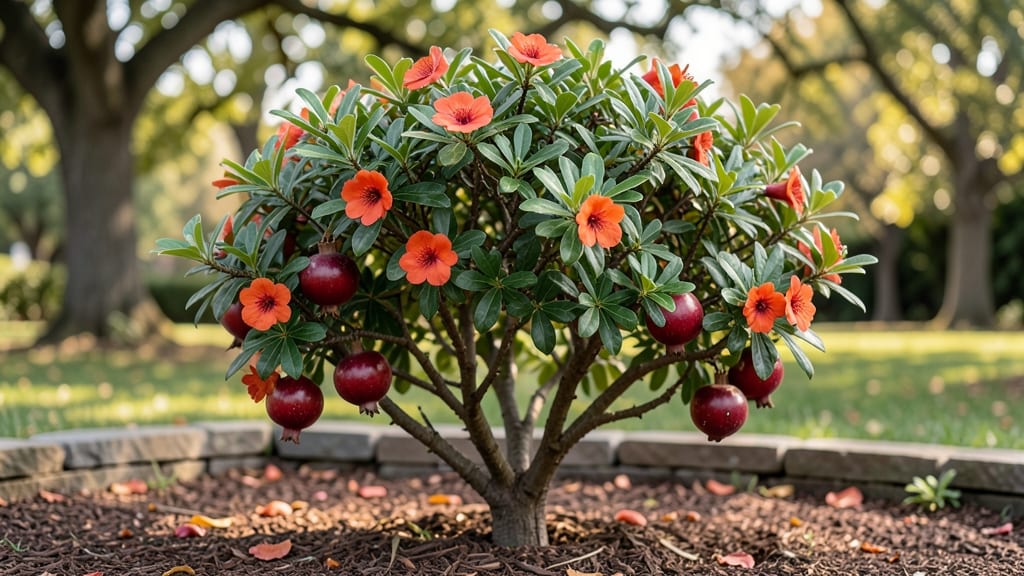
Growing a cold hardy red pomegranate bush means year-round fragrance and stunning blooms—even in Zone 5. 🌿 I’ve watched mine survive winters with just a little snow cover, then burst into vibrant red flowers by late spring.
The secret isn’t just hardiness; it’s knowing when and how to prune to keep it productive and beautiful. This bush thrives in full sun with well-draining soil, and once established, it’s surprisingly low-maintenance.
The real magic happens in late winter when you prune back the previous year’s growth—this triggers fresh, fragrant blooms by summer and keeps the plant compact. Just avoid heavy pruning in fall, or you’ll risk frost damage to new growth.
By mid-summer, you’ll be rewarded with glossy red fruit (edible, but tart—great for jellies!) and those iconic crimson flowers that last well into fall. The foliage stays lush even when other shrubs are struggling, making it a standout in any landscape.
Works as both an ornamental stunner and a functional edible—just plant it where you can enjoy the fragrance year-round. Here’s how to keep yours thriving through every season.
📚 In This Guide
- What you need
- Instructions
- Tips and common mistakes
- Wrapping up and next steps
What you need
- ● Cold-hardy red pomegranate plant: Choose a variety like 'Cold Hardy' (Punica granatum 'Cold Hardy') or 'Russian Red'—ensure it’s labeled for zones 5-9.
- ● Well-draining soil: Mix 50% native soil + 30% compost + 20% perlite/sand (1 cubic yard per bush).
- ● Sunlight spot: A location with 6+ hours of full sun daily (south-facing is ideal).
- ● Pruning tools: Bypass pruners (for clean cuts)
- ● Loppers (for thicker branches)
- ● Sharp pruning saw (if needed for large stems)
- ● Mulch: 3-4 inches of organic mulch (wood chips or straw) to insulate roots.
- ● Watering can or hose with a gentle spray nozzle (for deep, infrequent watering).
- ● Fertilizer: Balanced 10-10-10 or citrus-specific fertilizer (apply in early spring and summer).
- ● Garden gloves (to protect hands during pruning).
- ● Root stimulator (for transplant shock prevention).
- ● Drip irrigation system (for consistent moisture in dry climates).
- ● Winter protection: Burlap wraps or frost cloth (for zones 5-6)
- ● Straw mulch (extra 2-3 inches in winter)
- ● Potting soil & containers (if growing in pots for mobility).
- ● Plant markers (to track varieties if growing multiple bushes).
Instructions for pruning your cold hardy red pomegranate bush
Here's how to keep your fragrant red pomegranate thriving through all seasons.
✂️ Step 1: Prune in Late Winter for Shape and Airflow
Wait until after the last frost but before buds swell—typically February or early March in most climates. I grab my pruning shears and start by removing any dead, crossing, or diseased branches first. These are easy to spot—they're brown, brittle, or growing inward toward the center of the bush.
Next, shape the plant by cutting back any branches that grew too long last season. Aim for an open center that lets sunlight and air reach all parts of the bush. You'll see new growth emerge from the base and along the branches after pruning—this is how the plant prepares for spring blooms.
🌿 Step 2: Light Pruning After Flowering
Once your pomegranate finishes blooming in early summer, do a second round of light pruning. Remove any spent flowers and any branches that grew too vigorously during spring. This encourages the plant to focus on fruit development rather than just foliage growth.
I like to step back and look at the bush from all sides to check for balance. If one side looks too dense, I'll trim a few branches there to let more light reach the center. The goal is to keep the bush open enough that air circulates freely—this prevents fungal diseases that can ruin your harvest.
✂️ Step 3: Summer Maintenance for Fruit Development
Throughout the summer, keep an eye out for any suckers growing at the base of the plant. These are small shoots that pop up from the roots and compete with your main plant for nutrients. Simply snip them off at the base with your pruning shears.
Also, watch for any branches that are rubbing against each other. These can create wounds that invite disease. If you see two branches crossing, carefully trim one so they no longer touch. You'll know you're doing it right when the bush looks fuller and more uniform as the summer progresses.
🌱 Step 4: Final Light Pruning in Fall
In late fall, after the leaves have dropped but before the first hard frost, do one final light pruning. Remove any dead or diseased branches that might have appeared over the summer. This keeps your plant healthy and ready for winter.
I also like to trim back any branches that grew too long during the season. Cut them back to a strong outward-facing bud to encourage new growth in the spring. The goal here is to tidy up the bush and prepare it for dormancy. You'll see fresh green buds appearing in early spring—that's your sign the plant is ready for another growing season.
⏰ Step 5: Winter Protection for Cold Hardy Varieties
Even though your pomegranate is cold hardy, it still benefits from some winter protection. After the first hard frost, wrap the base of the plant with 4-6 inches of mulch to insulate the roots. This helps prevent frost heave and keeps the soil temperature stable.
If you're in an area with particularly harsh winters, you can also wrap the entire bush with burlap or frost cloth. Remove this protection in early spring once new growth appears. The key is to protect the plant without suffocating it—you want to shield it from extreme cold while still allowing airflow.
Tips & tricks for perfect year-round pomegranate care
Here's what nobody tells you about keeping your fragrant pomegranate bush thriving through every season.
Timing is Everything: Pay close attention to those seasonal cues! The late winter pruning (February or early March) should happen right after the last frost but before buds swell. I've learned this the hard way—pruning too early can damage new growth, while waiting too long means you're cutting into next year's blooms. Mark your calendar based on your local frost dates to stay on track.
Tool Matters: Use sharp, clean pruning shears for every cut—dull blades crush stems and create wounds that invite disease. I sterilize my shears with rubbing alcohol between cuts, especially when dealing with diseased branches in Step 1. For thick branches, I use loppers to avoid tearing the bark. Remember, clean cuts heal faster than jagged ones.
Visual Balance Check: When doing your summer maintenance (Step 3), step back and look at your bush from all sides. The goal is to create an open center that resembles an upside-down cone. This shape allows sunlight to reach all branches and prevents fungal diseases by improving airflow. If one side looks too dense, trim a few branches there to maintain that open structure.
Mulch Wisdom: For winter protection (Step 5), use organic mulch like straw or shredded leaves rather than synthetic materials. The 4-6 inches recommendation is crucial—too little won't provide enough insulation, while too much can smother the roots. I always rake back some mulch after winter to check for any signs of rot or pests before the growing season begins.
Pro Tips for Cold Hardy Red Pomegranate Bush
- Here's what nobody tells you about keeping your fragrant pomegranate bush thriving through every season.
- Timing is Everything: Pay close attention to those seasonal cues!
- Tool Matters: Use sharp, clean pruning shears for every cut—dull blades crush stems and create wounds that invite disease.
Frequently asked questions
Got questions about growing and maintaining your cold-hardy red pomegranate bush? You’re not alone—this vibrant shrub is full of surprises! Here are answers to the most common queries to help you keep your plant thriving year-round.
How cold can this pomegranate bush tolerate?
The Punica granatum ‘Cold Hardy’ variety can handle temperatures as low as 10°F (-12°C) with proper care. In extreme cold, mulch the base with 3-4 inches of straw or wood chips and wrap the trunk with burlap for extra protection. Young plants may need temporary frost cloths until established.
When should I prune my cold-hardy pomegranate bush?
Prune in late winter or early spring (February–March) before new growth starts. This encourages robust flowering and fruiting. Avoid heavy pruning in fall—it can stimulate tender growth that won’t survive winter. Never prune after mid-summer, as it reduces cold hardiness.
Why aren’t my pomegranates ripening?
Pomegranates need full sun (6+ hours daily) and well-draining soil. If fruits stay green, check for:
- Sunlight: Move to a sunnier spot if shaded.
- Water: Too much moisture causes blossom end rot.
- Nutrients: Fertilize with low-nitrogen citrus/pomegranate food in spring.
- Age: Young plants (under 3 years) may not fruit yet.
Can I grow this pomegranate bush in containers?
Yes! Choose a large pot (15+ gallons) with drainage holes and use a fast-draining mix (cactus/succulent soil + perlite). In winter, move containers to a garage or insulated porch if temps drop below 20°F (-7°C). Dwarf varieties like ‘Wonderful’ adapt best to containers.
What pests should I watch for?
Common pests include:
- Aphids: Spray with soapy water or introduce ladybugs.
- Scale insects: Wipe off with rubbing alcohol (70% isopropyl).
- Whiteflies: Use yellow sticky traps near the plant.
What if my bush isn’t blooming?
Pomegranates need cross-pollination (plant two bushes nearby) and full sun. If blooms are sparse:
- Check sunlight: Move to a sunnier location.
- Water deeply but infrequently (drought stress can trigger blooms!).
- Fertilize lightly in early spring with phosphorus-rich food (e.g., 5-10-10).
Wrapping up and next steps
Growing a cold-hardy red pomegranate bush is a rewarding way to enjoy year-round fragrance and beauty—even in cooler climates! With the right pruning techniques and care, you’ll keep your bush lush, healthy, and productive.
Whether you’re a seasoned gardener or just starting, these tips make it easy to nurture a thriving plant that delights the senses.
Ready to take the next step? Start by observing your bush this season—adjust your pruning schedule based on its growth and your local climate. Happy gardening! 🌿✨