
Pruning
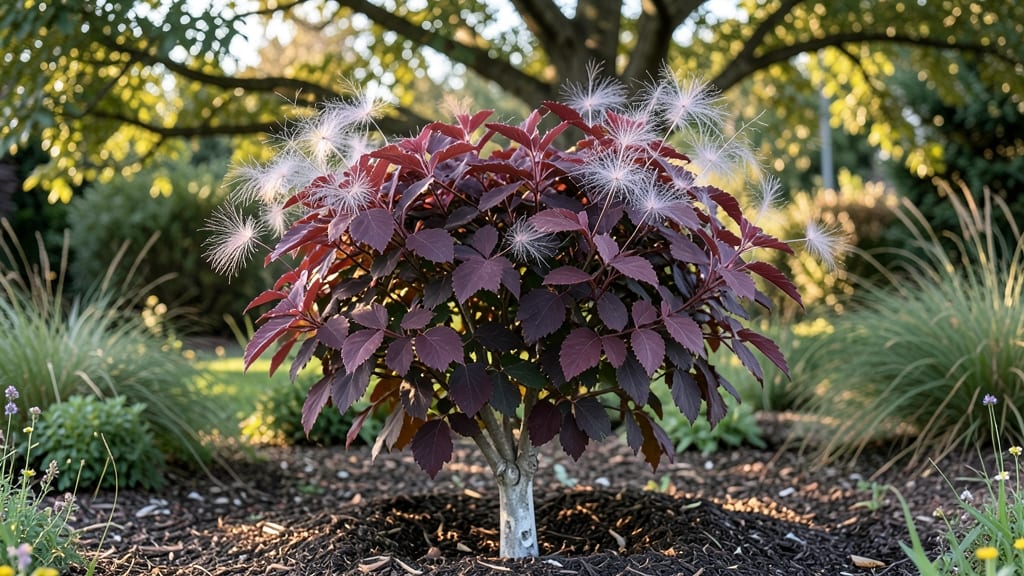
Your compact smoke bush could be the most fragrant shrub in the neighborhood—if you prune it right. 🌿 This low-maintenance, deer-resistant plant thrives in tight spaces, offering silvery foliage and sweet vanilla-scented blooms that last all season.
The key to keeping it lush and compact? Strategic trimming that encourages dense growth without sacrificing its natural charm.
Plant it in well-draining soil with 6 hours of sunlight daily, spacing bushes 3-4 feet apart for airflow. Spring is ideal for planting, but established shrubs handle fall moves too. Water deeply once a week after establishment—overwatering is the #1 way to kill these tough plants.
A light layer of mulch keeps roots cool and retains moisture, cutting watering needs by half.
Pruning transforms this shrub from "okay" to "showstopper." Trim back 1/3 of old growth in early spring to encourage new, fragrant stems. For a neater look, do layered cuts: first at the top, then mid-height, and finally near the base.
Repeat in late summer to shape and promote fall blooms. Avoid heavy pruning after mid-summer—it stunts next year’s fragrance.
Use it as a privacy screen, container specimen, or fragrant border—its upright habit fits small yards perfectly. Watch for powdery mildew (spray with neem oil) or spider mites (hose off leaves), but these shrubs rarely need pesticides.
With the right care, your compact smoke bush will reward you with years of effortless beauty and intoxicating scent—no green thumb required.
📚 In This Guide
- What you need
- Instructions
- Tips and common mistakes
- Wrapping up and next steps
What you need
- ● Compact Smoke Bush (Conoclinium coelestinum) – 1 mature plant (3–5 ft tall) or 3–5 young plants (1–2 ft tall) for layered trimming.
- ● Pruning Shears – Bypass pruners (sharp, 5–7" blades) for clean cuts.
- ○ Loppers – For thicker branches (optional, if your bush has woody stems).
- ● Gloves – Garden-grade or pruning gloves (to protect from thorns and sap).
- ● Disinfectant (70% isopropyl alcohol or pruning sealant) – 1 small bottle to sterilize tools between cuts.
- ● Compost or Mulch – 1–2 gallons to replenish soil after pruning.
- ● Watering Can or Hose – With a gentle spray nozzle for post-pruning hydration.
- ○ Stakes & Twine (optional) – For supporting new growth if trimming heavily.
- ● Sunlight – Full sun (6+ hours/day) for optimal growth and fragrance.
- ● Well-Draining Soil – pH 6.0–7.0 (amend with compost if needed).
- ● Timing – Prune in early spring (March–April) or after flowering (late summer) for best results.
- ● Patience – Layered trimming takes 2–3 seasons to achieve lush, fragrant layers! 🌟
Step-by-Step instructions for growing and pruning compact smoke bush
Here's how I keep my smoke bushes lush, fragrant, and perfectly shaped year after year.
🌱 Step 1: Plant in Well-Draining Soil with Full Sun
Choose a location with 6+ hours of direct sun and soil that drains quickly—smoke bushes hate soggy roots. Amend heavy clay with 1-2 inches of compost and a handful of sand or perlite per planting hole. Dig the hole twice as wide as the root ball but only as deep as it was in its container.
Remove the plant from its pot and loosen the roots gently if they're circling. Place it in the hole so the top of the root ball sits 1 inch below soil level—this prevents stem rot. Backfill with native soil, tamping lightly to eliminate air pockets. Water deeply right after planting to settle the soil around the roots.
☀️ Step 2: Water Deeply but Infrequently After Establishment
Newly planted smoke bushes need 1 inch of water weekly during the first growing season. Once established (after 2-3 years), they tolerate drought beautifully—water only when the top 2-3 inches of soil feel completely dry. Overwatering causes root rot, which is nearly impossible to reverse.
I water at the base in the morning to allow foliage to dry before evening. If your area gets heavy rain, reduce watering to prevent waterlogged conditions. Smoke bushes are tough once rooted, but soggy soil will kill them quickly.
✂️ Step 3: Perform Layered Pruning in Early Spring
Start pruning in late winter or early spring before new growth begins. Remove 1/3 of the oldest stems at the base to encourage fresh, fragrant growth. Cut just above a leaf node or outward-facing bud—never leave stubs. This is called "rejuvenation pruning" and keeps the bush compact.
Next, shape the remaining branches by cutting back 1/2 of the previous year's growth. Make cuts just above a set of leaves or bud to promote bushier growth. Avoid cutting into old wood—new growth emerges from the current year's stems. Step back frequently to check your shape from all angles.
🌿 Step 4: Maintain Year-Round with Light Trims
After the initial spring pruning, give your smoke bush a light haircut every 4-6 weeks during the growing season. Trim just above a leaf node to encourage branching. This keeps the bush dense and prevents leggy growth. I always carry small pruning shears and snip a few stems whenever I pass by—it takes just minutes and keeps the plant tidy.
In fall, do a final light pruning to remove any dead or crossing branches. Avoid heavy cuts after mid-summer—new growth won't harden off before winter. Smoke bushes are deciduous, so they'll lose their leaves in winter, but the fragrant stems remain attractive year-round.
⏰ Step 5: Fertilize Lightly in Early Spring Only
Apply a balanced 10-10-10 fertilizer at 1/2 the recommended rate in early spring when new growth appears. Smoke bushes don't need much—too much fertilizer leads to weak, leggy growth. Work the granules into the top 2 inches of soil around the base, then water deeply to activate.
Skip fertilizer after the first year unless your plant looks pale or stunted. A healthy smoke bush produces fragrant foliage without heavy feeding. I've seen them thrive for decades with minimal fertilizer—just good soil and occasional pruning.
Tips & tricks for perfect compact smoke bush care
These pro-level strategies will help you cultivate a fragrant, compact smoke bush that stays lush and aromatic throughout the seasons.
Soil Preparation Secret: When amending heavy clay in Step 1, mix in 1-2 inches of compost and a handful of perlite for every planting hole. The key is creating a loose, aerated soil structure that mimics the bush's natural Mediterranean habitat. I've found that adding a thin layer of coarse sand (about 1/4 inch) at the bottom of the hole helps prevent compaction over time. This ensures your smoke bush's roots will thrive without suffocating.
Pruning Precision: In Step 3, when removing 1/3 of the oldest stems, focus on the thickest, most woody branches first. These are the ones that have stopped producing fragrant foliage and are just taking up space. For shaping cuts, always make your snip just above a leaf node or outward-facing bud—this is where new growth will emerge. I like to use clean, sharp pruners and make a single clean cut rather than multiple nicks, which can damage the plant.
Watering Wisdom: The 1 inch weekly watering guideline in Step 2 works best when applied directly to the soil at the base of the plant. Avoid wetting the foliage, which can lead to fungal issues. I've found that using a soaker hose or drip irrigation system delivers water exactly where it's needed without the waste of overhead sprinklers. For established plants, let the top 2-3 inches of soil dry completely between waterings—this drought tolerance is what makes smoke bushes so low-maintenance once established.
Fertilizer Strategy: When applying the 10-10-10 fertilizer at half strength in Step 5, work it into the top 2 inches of soil around the base rather than scattering it on the surface. This targeted approach prevents runoff and ensures the nutrients reach the root zone where they're needed. I've seen smoke bushes become leggy and sparse when over-fertilized, so it's better to err on the side of caution—especially in the first few years when the plant is establishing its root system.
Pro Tips for Compact Smoke Bush
- These pro-level strategies will help you cultivate a fragrant, compact smoke bush that stays lush and aromatic throughout the seasons.
- Soil Preparation Secret: When amending heavy clay in Step 1, mix in 1-2 inches of compost and a handful of perlite for every planting hole.
- Pruning Precision: In Step 3, when removing 1/3 of the oldest stems, focus on the thickest, most woody branches first.
Frequently asked questions
How often should I trim my compact smoke bush for best results?
Trim your compact smoke bush twice a year: once in early spring (before new growth) to shape it and again in late summer (after flowering) to encourage dense foliage. Light pruning between seasons keeps it tidy without stressing the plant. Pro tip: Never cut into old wood—focus on the current year’s growth for vibrant blooms!
Can I prune my smoke bush in winter? What if I miss the spring trim?
While compact smoke bushes are hardy, avoid heavy pruning in winter—it removes protective buds and exposes tender stems to cold. If you miss spring, lightly trim dead or overgrown branches in early summer to redirect energy. Just never prune after mid-summer, as new growth won’t harden off before frost.
Why does my smoke bush look leggy or sparse after pruning?
Leggy growth usually means too much shade or over-pruning. Ensure your bush gets 6+ hours of sunlight daily and prune no more than 1/3 of the foliage at once. If it’s already sparse, feed with a balanced fertilizer in spring and trim just the tips of overlong branches to encourage bushier regrowth.
Does trimming affect the fragrant flowers? Will I lose blooms?
Not at all! Pruning actually boosts flowers by improving airflow and sunlight penetration. The key is timing: Trim after blooming (late summer) to avoid cutting off next year’s buds. If you prune before flowers appear, you’ll see more abundant blooms later—just be patient!
Are there alternatives to smoke bush if I want a fragrant, compact shrub?
Yes! Consider these low-maintenance, fragrant alternatives:
- Dwarf Lilac (Syringa meyeri) –Sweetly scented, compact (3–5 ft), and drought-tolerant.
- Boxwood (Buxus) –Evergreen, fragrant when crushed, and great for hedges.
- Potentilla (Dasiphora fruticosa) –Bright yellow blooms with a honey-like scent; thrives in poor soil.
- Mock Orange (Philadelphus) –Highly fragrant white flowers; stays tidy with light pruning.
Wrapping up and next steps
Transforming your compact smoke bush into a fragrant, year-round beauty is totally within reach—just follow the layered trimming techniques we’ve shared! With the right tools, timing, and a little patience, you’ll enjoy its delicious, spicy-sweet scent for seasons to come. 🌿✨
Ready to take the next step? Start small:
- Grab your pruners and give those first layers a try!
- Monitor your bush’s growth and adjust as needed.
- Share your progress—we’d love to see (and smell!) your fragrant masterpiece!