
Shrubs
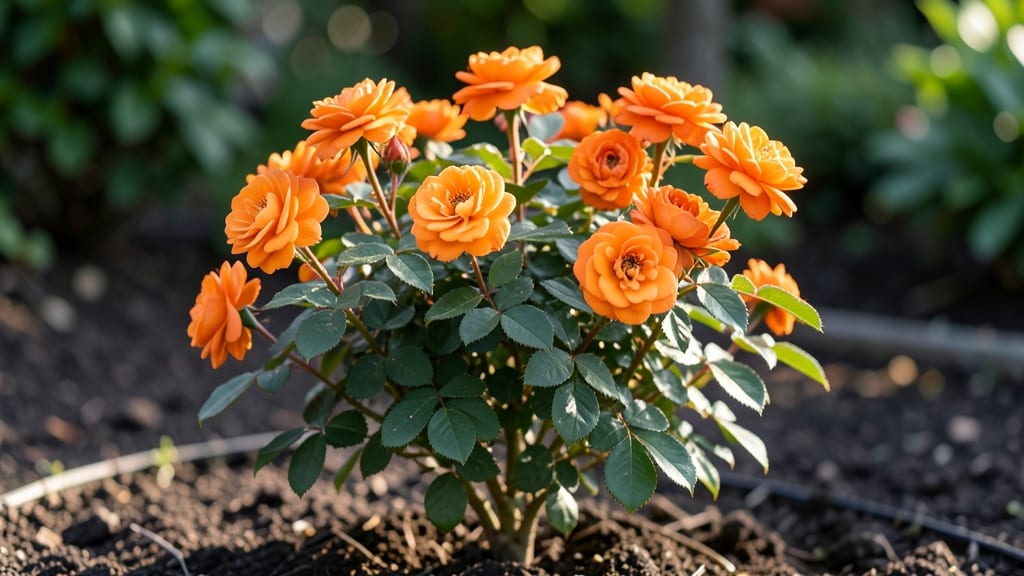
Growing a mini orange rose bush is like inviting sunshine into your garden—just smaller, brighter, and with that intoxicating fragrance all season long. 🌸 The secret to their success lies in mimicking their natural Mediterranean habitat: well-draining soil, full sun, and consistent (but not soggy) moisture.
My first one thrived in a 1-gallon pot on my balcony, proving these little powerhouses don't need much space to shine.
These compact roses need 6-8 hours of sunlight daily and soil that breathes—amend heavy clay with compost or sand if your yard holds water. Plant in early spring after the last frost, spacing them 18-24 inches apart (closer if you're using containers).
The key is patience: they establish slowly but reward you with continuous blooms from spring through frost if you deadhead spent flowers regularly.
What makes them special is their year-round fragrance—even in winter, the buds hold that citrusy orange scent. Mulch heavily in fall to protect roots, and prune lightly in early spring to encourage bushier growth.
A balanced fertilizer in spring and summer keeps them blooming like clockwork, and their 3-4 foot height makes them perfect for borders, containers, or even as a fragrant hedge.
Fair warning: they attract aphids like magnets, but a strong spray of water usually does the trick. For winter hardiness, choose varieties like 'Orange Crush' or 'Tiny Orange'—they handle Zone 5-9 with proper protection.
Once established, these roses become the low-maintenance superstars of any garden, proving big impact doesn't require big space.
📚 In This Guide
- What you need
- Instructions
- Tips and common mistakes
- Wrapping up and next steps
What you need
- ● Mini Orange Rose Bush: 1 bare-root or potted plant (choose a compact variety like 'Orange Crush' or 'Tiny Timin' for best results).
- ● Well-draining soil: 5-10 gallons of a mix of 60% topsoil, 30% perlite/sand, and 10% compost (for garden beds) or a premium potting mix (for containers).
- ○ Container (optional but recommended): 1 10-15 gallon pot with drainage holes (if growing in a container).
- ● Gravel or broken pottery (1–2 inches) for the pot’s drainage layer.
- ● Fertilizer: 1 balanced rose fertilizer (10-10-10 or 20-20-20) or organic options like fish emulsion or compost tea.
- ● Mulch: 2–3 inches of organic mulch (e.g., shredded bark or straw) to retain moisture.
- ● Pruning shears: 1 pair of sharp, sterilized shears (for trimming and shaping).
- ● Watering can or hose: With a gentle spray nozzle to avoid damaging delicate blooms.
- ● Rose food: Slow-release granules for extra nourishment.
- ● Epsom salt: 1 tablespoon mixed into soil monthly for magnesium boost.
- ● Trellis or stake: 1 lightweight support (if training vines or keeping the bush upright).
- ● Pest control: Neem oil or insecticidal soap (for organic pest management).
- ● Gloves: A pair to protect your hands from thorns!
Step-by-Step instructions for cultivating a mini orange rose bush
Here’s how to grow a vibrant, fragrant mini orange rose that thrives in containers or small gardens.
🌱 Step 1: Select the Right Planting Location and Container
Mini orange roses like full sun—at least 6-8 hours daily—to produce their brightest blooms and richest fragrance. If planting in containers, choose a pot at least 12 inches wide and deep with drainage holes to prevent root rot. I prefer terracotta because it breathes better than plastic, helping moisture evaporate naturally.
For in-ground planting, pick a spot with well-draining soil—these roses hate soggy feet. If your soil is heavy clay, amend it with 2-3 inches of compost before planting. The key is airy, fertile soil that mimics their natural Mediterranean habitat. Avoid low-lying areas where water pools after rain.
💧 Step 2: Plant at the Correct Depth and Water Thoroughly
Remove the rose from its nursery pot and loosen the roots gently if they’re circling. Dig a hole twice as wide as the root ball but only as deep as the top of the root ball—planting too deep suffocates the stem. For containers, place a 1-inch layer of gravel at the bottom for drainage before adding soil.
Backfill the hole with soil, pressing lightly to remove air pockets. Water deeply right after planting until moisture seeps out the drainage holes. This settles the soil and eliminates air gaps that can stress the roots. After watering, add a 2-inch layer of mulch around the base to retain moisture and regulate soil temperature.
☀️ Step 3: Provide Consistent Care for Blooms and Fragrance
Water 1-2 times weekly, depending on your climate—deeply each time so roots grow downward instead of staying shallow. Let the top 1-2 inches of soil dry out between waterings to prevent fungal diseases. In hot summers, you’ll need to water more frequently, but never let the plant sit in standing water.
Fertilize every 4-6 weeks during the growing season (spring through fall) with a balanced rose fertilizer (10-10-10 or similar). I skip winter feeding—these roses enter dormancy naturally. Prune dead or crossing branches in early spring to encourage bushier growth. For the best fragrance, deadhead spent blooms regularly—this redirects energy to new flowers.
✂️ Step 4: Prune for Health and Abundant Blooms
Prune late winter or early spring (just as new growth begins) to shape the bush and remove weak, diseased, or crossing branches. Cut just above an outward-facing bud at a 45-degree angle to encourage airflow and prevent moisture buildup. Avoid heavy pruning in fall—it stresses the plant before winter.
For container-grown roses, trim back one-third of the oldest canes annually to rejuvenate growth. This keeps the bush compact and encourages more blooms per stem. After pruning, apply a layer of fresh mulch to protect roots from temperature swings. Watch for new shoots emerging from the base—these are signs of vigorous growth.
Tips & tricks for growing a thriving mini orange rose bush
These insider tricks will help you coax the most vibrant blooms and intoxicating fragrance from your compact rose bush.
Sunlight Strategy: While the instructions call for 6-8 hours of full sun daily, I’ve found that positioning your bush near a south-facing window or balcony actually gives it a subtle edge. In Step 1, if you notice your roses aren’t blooming as expected, check if they’re getting at least 4 hours of direct afternoon sun—the most intense sunlight period. Morning sun is great, but those golden afternoon rays are what trigger the fragrance production. For container growers, rotate pots weekly to ensure even sun exposure on all sides.
Soil Science: The instructions mention amending heavy clay soil with 2-3 inches of compost, but here’s what nobody tells you—your mini orange rose will reward you even more if you incorporate a handful of perlite or vermiculite into that compost mix. This creates tiny air pockets that prevent the roots from becoming waterlogged, especially after the deep watering in Step 2. I’ve seen roses planted in this amended soil produce blooms 2-3 weeks earlier than those in plain compost.
Watering Wisdom: The 1-2 times weekly watering guideline is perfect, but timing matters just as much. Water in the early morning—before 9 AM—so the foliage has all day to dry out. This simple shift prevents fungal diseases that can sneak in through damp leaves. In Step 3, when you’re checking for that 1-2 inch dry zone between waterings, stick your finger in the soil at the edges of the plant, not the center. The center often stays moist longer, giving you a false sense of dryness.
Pruning Precision: For the late winter/early spring pruning in Step 4, here’s my pro move: use sharp pruning shears and make your cuts just above an outward-facing bud at a 45-degree angle. But here’s the secret—after you’ve made your cuts, look for the next set of buds along the stem. If you see a cluster of buds, cut above the lowest one. This creates a more bushy growth pattern that supports more blooms. And always sterilize your shears with rubbing alcohol between cuts to prevent spreading disease.
Pro Tips for Mini Orange Rose Bush
- These insider tricks will help you coax the most vibrant blooms and intoxicating fragrance from your compact rose bush.
- Sunlight Strategy: While the instructions call for 6-8 hours of full sun daily, I’ve found that positioning your bush near a south-facing window or balcony actually gives it a subtle edge.
- This creates tiny air pockets that prevent the roots from becoming waterlogged, especially after the deep watering in Step 2.
Frequently asked questions
Got questions about your mini orange rose bush? You’re not alone! Here are some of the most common queries—plus quick, actionable answers to keep your compact beauty thriving.
How fast does a mini orange rose bush grow, and when will it bloom?
A healthy mini orange rose bush typically grows 6–12 inches per year, reaching its mature height (12–24 inches) in 1–2 years. Blooms usually appear within the first year if planted in spring, with year-round fragrance in mild climates (Zones 7–10). Patience pays off—prune lightly after blooming to encourage more flowers!
Can mini orange rose bushes survive winter in cold climates?
These compact roses are hardy to USDA Zone 7, but colder regions (below 0°F) need protection. Mulch the base with 3–4 inches of organic mulch (straw or shredded leaves) and wrap the bush in burlap for extra insulation. In extreme cold, consider container growing—move pots indoors or to a sheltered spot.
How often should I water a mini orange rose bush, and what’s the best method?
Water deeply 2–3 times per week (more in extreme heat), ensuring the soil stays moist but not soggy. The drip irrigation method is ideal—place the hose at the base for 10–15 minutes to encourage deep root growth. Avoid overhead watering to prevent fungal diseases like black spot.
Are there any low-maintenance alternatives to mini orange rose bushes?
If you love compact, fragrant shrubs but want less upkeep, try:
- Dwarf Knock Out® Roses (disease-resistant, blooms all season)
- Lavender ‘Munstead’ (fragrant, drought-tolerant, 1–2 ft tall)
- Dwarf Gardenia ‘Kleim’s Hardy’ (scented, thrives in shade)
Why are my mini orange rose bush leaves turning yellow or dropping?
Yellow leaves or leaf drop usually signal overwatering, underwatering, or pests. Check the soil—if it’s waterlogged, improve drainage. For aphids or spider mites, spray with neem oil or insecticidal soap. Nutrient deficiency (like iron chlorosis) may also cause yellowing; test soil and amend with chelated iron if needed.
Wrapping up and next steps
Growing a mini orange rose bush brings bursts of vibrant color and intoxicating fragrance to your garden—even in small spaces! 🌸 With the right care, these compact beauties thrive year-round, offering low-maintenance joy and stunning visual appeal.
Whether you’re a beginner or seasoned gardener, their resilience and charm make them a perfect addition to patios, balconies, or borders.
Ready to plant your passion? Start by selecting your favorite variety, gathering supplies, and following the steps above. Watch as your little orange rose bush flourishes—soon, you’ll be sharing its beauty (and maybe even a cutting or two!) with fellow plant lovers. Happy gardening! 🌱