
Pruning
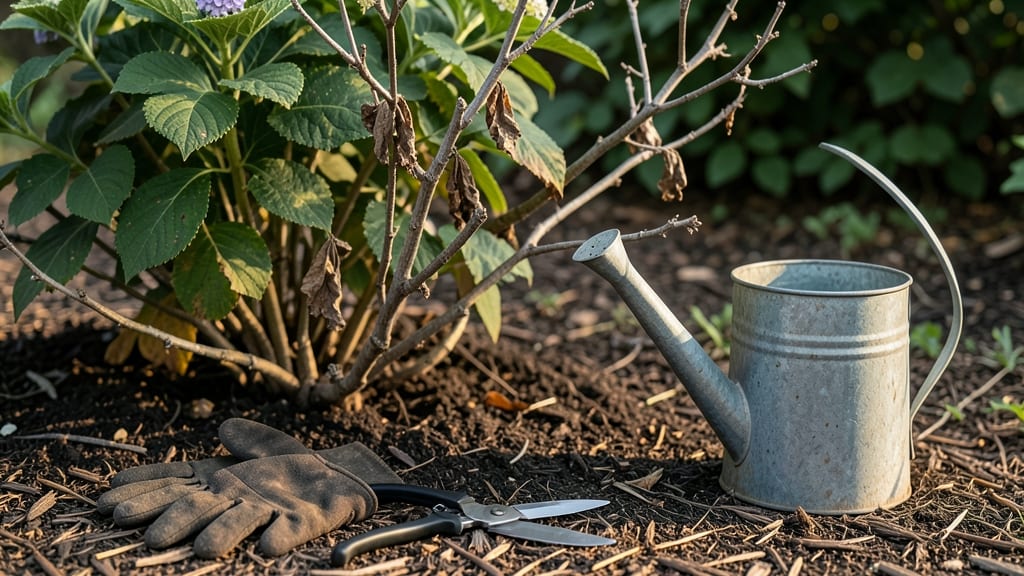
That leafless hydrangea bush doesn’t mean game over—three sharp cuts can bring it back to life. ✂️ I’ve nursed back more "dead" hydrangeas than I’d like to admit, and the secret lies in knowing what’s truly dead (wood) versus dormant (just sleeping).
Most gardeners panic and prune too late, but the right cuts in early spring can spark new growth faster than you’d expect.
The real culprit is usually overwatering, fungal rot, or winter stress—not the plant itself. I learned this the hard way when my once-vibrant Endless Summer hydrangea turned into a sad skeleton.
The fix starts with checking the roots: healthy roots smell earthy, not rotten. If they’re firm and white, your bush is just waiting for a chance to wake up.
By the time you’re done, you’ll see fresh green shoots within 4-6 weeks—if not sooner. The key is patience and precision: cut back only the deadwood, leave last year’s buds intact, and give it consistent moisture (not soggy soil). Even neglected bushes can bounce back with the right care.
Works for bigleaf, panicle, and smooth hydrangeas alike. The same principles apply whether your bush is in full sun or partial shade. Here’s how to assess and revive yours—no green thumb required.
Root Causes Of Wilted Hydrangeas
When your hydrangea bush looks more like a sad, brown skeleton than a lush, blooming beauty, it’s usually due to one (or more) of these common culprits. Understanding the why behind the wilting is the first step to bringing it back to life.
Let’s dig into the science and signs of each issue so you can diagnose—and fix—your plant’s problems.
Hydrangeas are hardy, but they hate sudden temperature swings—especially when they’re caught off guard. Here’s how it happens:
- Late-spring frosts: New growth (especially tender stems and buds) freezes when temperatures dip below 28°F (-2°C). The cells rupture, cutting off water flow, and the plant turns crispy brown overnight. Pro tip: If your area has late frosts, wait until after Mother’s Day (when frost risk drops significantly) to prune.
- Summer heatwaves: Prolonged heat above 90°F (32°C)transpirational stress—the plant loses water faster than roots can absorb it. Leaves curl, stems wilt, and without intervention, the bush can crisp up like overcooked pasta. Overhead watering makes this worse by scorching leaves.
- Cold snaps in winter: If your hydrangea isn’t properly mulched (3–4 inches of organic mulch like shredded bark), roots freeze, starving the plant of nutrients. 💡 Tip: Wrap young bushes in burlap or use frost blankets in Zone 5 or colder.
How to spot it: Look for brown, papery stems (not green underneath) or leaves that crisp like autumn leaves. If the center of the bush is dead but outer stems are still green, it’s likely environmental stress, not disease.
Hydrangeas are thirsty divas—they need consistent moisture but hate soggy roots. Here’s how watering goes wrong:
| Problem | Why It Kills Hydrangeas | Fix It Now |
|---|---|---|
| Underwatering | Roots dry out, and the plant wilts dramatically (like a deflated balloon). Hydrangeas can’t store much water, so even 3–4 days without rain can stress them. Symptom: Dry, brittle stems that snap easily. | Deep-water 2–3 times per week (1–1.5 inches per session). Use a soaker hose to avoid leaf fungus. |
| Overwatering | Poor drainage + too much water = root rot (a fungal infection that suffocates roots). Symptom: Yellowing leaves, mushy stems, or a sour smell near the base. | Check drainage—hydrangeas need well-draining soil. Amend clay soil with compost or perlite. Let the top 1–2 inches dry between waterings. |
| Inconsistent Watering | Hydrangeas detest feast-or-famine watering. Uneven moisture causes bud blast (buds dry up before opening) or split stems (where the plant can’t support blooms). | Use a drip irrigation system or mulch heavily (4+ inches) to retain moisture. |
🌡️ Pro Tip: Stick your finger 2 inches into the soil. If it’s dry, water. If it’s damp, wait. No guesswork!
Hydrangeas are heavy feeders, and poor soil = sad blooms. Here’s what’s missing (or too much):
- Nitrogen (N) deficiency: Leaves turn yellow between veins (chlorosis), stems weaken, and the plant looks lanky and exhausted. Why? Nitrogen fuels leaf growth—without it, the bush can’t support itself. Fix: Apply a balanced fertilizer (10-10-10) in early spring.
- Potassium (K) deficiency: Brown, crispy leaf edges (like paper burning) or weak stems that flop over. Potassium helps with water regulation—without it, the plant can’t handle heat or drought. Fix: Use a banana peel tea (yes, really!) or a potassium-rich fertilizer like 5-10-10.
- Iron (Fe) deficiency: Bright yellow leaves with green veins (classic chlorosis). Common in alkaline soil (pH > 7), which locks out iron. Fix: Test soil pH and amend with chelated iron or sulfur to lower pH to 5.5–6.2 (ideal for hydrangeas).
- Over-fertilizing: Too much salt (from synthetic fertilizers) burns roots, causing brown leaf tips and stunted growth. Fix: Flush soil with water and switch to organic compost.
Quick test: If your hydrangea’s leaves look like a tie-dye disaster (yellow, purple, or red patches), it’s likely a pH or nutrient issue. Get a soil test kit ($20 at garden centers) for the full scoop.
Not all hydrangea killers are environmental—some are tiny, hungry invaders. Here’s what’s likely gnawing on your bush:
- Japanese beetles: These green-and-copper bugs skeletonize leaves, leaving lace-like patterns. They also chew on buds, preventing blooms. Fix: Handpick them into soapy water or use neem oil.
- Scale insects: Tiny, brown bumps on stems that ooze honeydew (sticky residue). They suffocate the plant by blocking water flow. Fix: Scrape off with a soft brush + alcohol or spray with horticultural oil.
- Powdery mildew: A white, flour-like coating on leaves (common in humid, shady spots). It clogs stomata
Reviving Your Hydrangea: Step-by-Step Fixes
A dead or dormant hydrangea bush doesn’t mean the end of your garden dreams—it just needs the right care to bounce back! Whether your plant is struggling due to over-pruning, disease, poor soil, or environmental stress, these targeted solutions will help you revive it with confidence.
Below, we break down the most common causes and the exact steps to turn things around—plus tips to keep your hydrangea thriving long-term.
Signs: Bare stems, no new growth, or a "haircut" that went too far.
How to Fix It: ✅ 🔍 Assess the Damage
- If your hydrangea has no leaves or buds, it may have been pruned at the wrong time (late winter/early spring for most varieties).
- Check for live buds near the base—these are your clues for regrowth.
✅ 👨🍳 Prune Strategically (Now!) - For Bigleaf (Mophead) & Smooth Hydrangeas: Cut back 1/3 of the oldest stems to the ground.
Leave the newest, healthiest stems to encourage growth. - For Panicle Hydrangeas: Trim dead or weak stems to the first set of healthy buds (usually 6–12 inches from the base). - Avoid shearing—use clean, sharp pruners to make 45-degree cuts just above a bud or node.
✅ 🌿 Fertilize for a Boost
- Apply a balanced, slow-release fertilizer (10-10-10) around the base. Hydrangeas love organic matter—mix in compost or aged manure for extra nutrients.
💡 Pro Tip: If your bush is completely bare, don’t panic! Some hydrangeas rebound in late spring—just wait and watch for new shoots.
Signs: Wilting leaves, black spots, holes in foliage, or a mushy, rotting base.
How to Fix It: ✅ 🚨 Identify the Problem
- Powdery mildew? Look for white, powdery patches on leaves.
- Botrytis blight? Check for brown, mushy spots (common in wet climates).
- Aphids or spider mites? Inspect the undersides of leaves for tiny bugs or webbing.
✅ 🧼 Treat & Clean Up
- Prune infected stems immediately (sterilize tools with rubbing alcohol between cuts).
- Remove all fallen leaves/debris from the base to prevent reinfection.
- Spray with neem oil (for pests) or fungicide (for mildew/blight). Reapply every 7–10 days until symptoms fade.
✅ 💧 Adjust Watering Habits
- Water at the base (not overhead) to keep foliage dry.
- Improve drainage—if soil stays soggy, amend with perlite or sand.
💡 Pro Tip: Prevent future issues by spacing plants properly (3–5 feet apart) for better airflow.
Signs: Yellowing leaves, stunted growth, or wilting despite watering.
How to Fix It: ✅ 🧪 Test Your Soil
- Hydrangeas thrive in acidic soil (pH 5.2–6.0). If your soil is alkaline, leaves may turn blue-green (iron deficiency).
- Grab a soil test kit (or send a sample to a local extension office) for precise adjustments.
✅ 🍄 Amend the Soil
- For acid-loving hydrangeas: Mix in peat moss, pine needles, or sulfur to lower pH.
- For nutrients: Work in compost, worm castings, or a hydrangea-specific fertilizer (high in iron & potassium).
✅ 💧 Hydrate Properly
- Water deeply 2–3 times per week (1–2 inches per session). Mulch (2–3 inches of shredded bark) to retain moisture.
💡 Pro Tip: Feed in early spring (when new growth starts) and again in midsummer for a strong rebound.
Signs: Scorched leaves, brown tips, or no growth despite care.
How to Fix It: ✅ 🌞 Adjust Sun Exposure
- Most hydrangeas need morning sun + afternoon shade. If leaves are crispy, move it to a shadier spot (or provide dappled light).
- Windburn? Plant near a windbreak (like a fence or other shrubs).
✅ 🔥 Protect from Extreme Cold
- Mulch heavily (4–6 inches) in late fall to insulate roots.
- Wrap young plants in burlap if your winters are harsh.
✅ 🌿 Transplant if Needed
- If the location is too exposed, consider relocating the bush in early spring or fall.
💡 Pro Tip: Group hydrangeas with other shrubs to create a microclimate that retains moisture and moderates temperature.
Once your hydrangea is back on track, keep it healthy with these long-term strategies:
🔹 ⏰ Prune at the Right Time
- Bigleaf & Smooth: Prune right after flowering (late summer/early fall).
- Panicle & Oakleaf: Prune late winter/early spring (before buds swell).
🔹 🌿 Mulch & Water Wisely
- Mulch annually to protect roots and lock in moisture.
- Drip irrigation > overhead watering to prevent disease.
🔹 🍄 Monitor for Pests/Disease
- Inspect leaves weekly in spring/summer.
- Clean up debris in fall to stop fungal spores from overwintering.
🔹 📊 Feed the Right Way
- Spring: Balanced fertilizer (10-10-10).
- Summer: Acid-lowering fertilizer (for blue flowers) or potassium-rich (for blooms).
Your hydrangea isn’t dead—it’s just waiting for a little TLC! With these fixes, you’ll see new growth in 4–6 weeks, and next season, it’ll be blooming like never before. 🌸✨
Frequently asked questions
1How can I tell if my hydrangea is truly dead or just dormant?
Scratch the bark near a stem—if it's green underneath, the plant is alive! For dormant hydrangeas, check for buds at the base (they'll swell in spring). If stems are completely brown and hollow, it's likely dead. Most hydrangeas go dormant in winter but should show new growth by late April.
2Can I revive a hydrangea that's been neglected for years?
Start by cutting back 1/3 of the oldest stems to encourage new growth. Amend the soil with compost, water deeply 2-3 times weekly, and apply a balanced fertilizer (10-10-10). Even neglected bushes can rebound—just be patient (new growth may take 6-8 weeks).
3What's the best time of year to prune a dead-looking hydrangea?
Prune in early spring (March-April) before new growth starts. For Bigleaf varieties, wait until after flowering. Never prune in late fall/winter—this removes next year's blooms. If your bush is completely bare, prune 1/3 of the oldest stems to stimulate fresh growth from the base.
4Will my hydrangea come back if the roots are rotted?
Check roots by gently digging—healthy roots are firm and white. If they're mushy and smell bad, the plant may not recover. For partial rot, trim affected roots, treat with fungicide, and repot in fresh, well-draining soil. If roots are completely gone, consider propagating from healthy stems or starting fresh with a cutting.
5How often should I water a struggling hydrangea?
Water deeply 2-3 times per week (1-2 inches per session) during dry spells. Use a soaker hose to avoid wetting leaves (which causes fungus). In winter, reduce to once weekly unless your area has extreme drought. Always check soil moisture—stick your finger 2 inches deep; if dry, water!