
Pruning
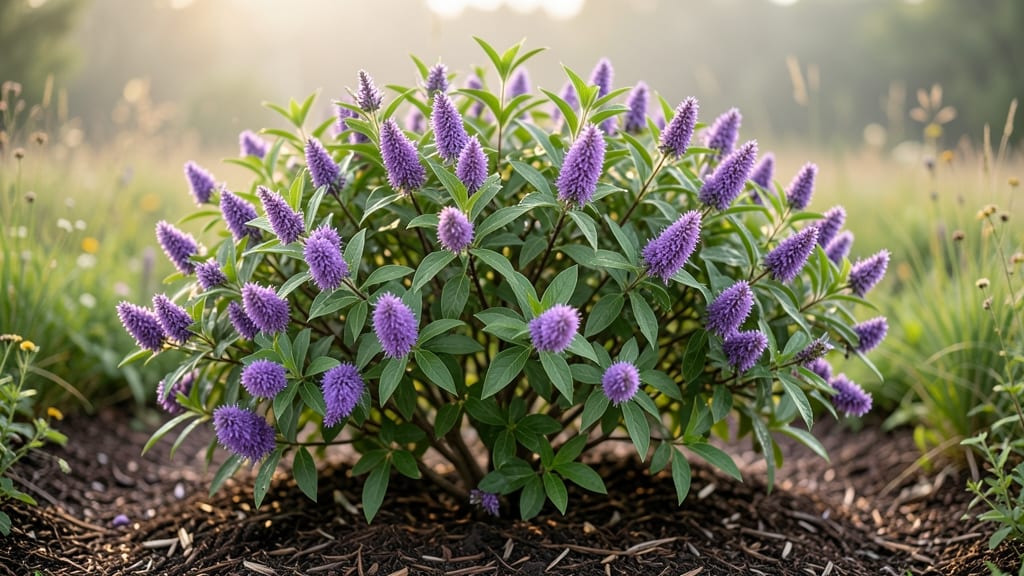
That "dearf" typo in the name might confuse you, but the butterfly bush (Buddleia davidii) is one of the easiest pollinator magnets you can grow. 🌿 I've watched mine transform a corner of my yard into a fluttering paradise—dozens of butterflies and bees on a single plant in peak season.
This hardy shrub thrives in zones 5-9, loves full sun, and tolerates poor soil better than most plants. The secret to nonstop blooms? Deadheading spent flowers every 2-3 weeks and pruning back 1/3 of the oldest stems each spring.
It grows 6-10 feet tall if unchecked, but regular pruning keeps it manageable. You'll end up with purple, pink, or white flower spikes from early summer until frost, plus a plant that attracts butterflies like a magnet. The deer tend to leave it alone too—another bonus.
Just avoid planting near foundations where it can spread aggressively. Works equally well in the ground or large containers. Here's how to keep it blooming all season long!
📚 In This Guide
- What you need
- Instructions
- Tips and common mistakes
- Wrapping up and next steps
What you need
- ● Pruning shears or bypass pruners: Sharp, clean tools with bypass blades (avoid anvil pruners to prevent crushing stems). Example: Felco F-2 or Corona bypass pruners.
- ● Rubbing alcohol (70% isopropyl) or bleach solution: 1 part bleach to 9 parts water for sterilizing tools between cuts.
- ○ Gloves (optional but recommended): Heavy-duty gardening gloves to protect against thorns or sap.
- ● Trash bag or bucket: For collecting pruned stems (1–2 gallons capacity).
- ○ Watering can or hose: To hydrate the plant post-pruning (optional but helpful).
- ● Butterfly bush plant: Healthy, mature Buddleia (preferably 1–3 years old for best results).
- ● Hand pruners: For smaller stems or hard-to-reach spots.
- ● Knee pad or stool: For comfort if your bush is tall (3–6 feet).
- ● Pruning saw: For thick, woody stems (rare in butterfly bush but useful for overgrown plants).
- ● Compost bin: To recycle pruned stems as nutrient-rich mulch.
- ● Plant food (balanced fertilizer): 10-10-10 or similar, applied post-pruning for a bloom boost.
How to deadhead butterfly bush for season-long color
Here's my foolproof method for keeping your butterfly bush blooming until frost—no pruning anxiety required.
✂️ Step 1: Identify the Right Blooms to Remove
Butterfly bush (Buddleia) produces flowers on new wood, so we focus on spent blooms—not the stems. Look for clusters where petals have dropped completely or turned brown. These are your targets. I always check in the morning when blooms are freshest and easier to spot.
Leave any buds that are still tight or showing color—they'll open soon. The goal is to remove only what's fully faded. Use sharp pruners to avoid crushing stems, which can invite disease. If you're unsure, pinch off just the faded flower head while leaving the green stem intact.
🌿 Step 2: Time Your Deadheading for Maximum Impact
Deadhead every 7-10 days during peak bloom season (late spring through summer). This timing prevents seed formation and redirects the plant's energy into new flowers. I set a reminder for every Monday morning—consistency matters more than perfection.
Never deadhead after the first frost. The plant needs to prepare for dormancy, and removing blooms too late can stress it. Watch for new buds forming at the stem tips—these signal your plant is ready for another round of deadheading.
☀️ Step 3: Prune for Airflow and Light Penetration
While deadheading, trim back any leggy stems that block sunlight from reaching inner growth. Aim to open up the bush's center so air circulates freely. I cut just above a set of healthy leaves or a bud, never at a bare stem. This encourages bushier growth and prevents fungal issues.
If your butterfly bush grows taller than 6 feet, consider a light structural prune after flowering. Cut back 1/3 of the oldest stems to the ground to rejuvenate the plant. You'll see thicker, more vigorous blooms next season from this hard prune.
💧 Step 4: Adjust Care for Continuous Blooming
After deadheading, increase watering slightly for 3-5 days to help the plant recover. Butterfly bush thrives with 1 inch of water weekly, but new growth after pruning needs extra hydration. Water at the base in the morning to prevent fungal spores from settling on wet foliage.
Fertilize lightly with a balanced 10-10-10 formula after deadheading to support new flower production. I use half-strength fertilizer to avoid burning the roots. Stop fertilizing 6 weeks before first frost to let the plant harden off properly.
⏰ Step 5: Prepare for Late-Season Blooms
In late summer, watch for new flower spikes forming on current year's growth. These often produce a second flush of blooms if given proper care. Deadhead these lightly—just remove the spent flowers without pruning the stems, as they may carry next year's buds.
By mid-September, reduce watering gradually to prepare the plant for dormancy. Remove any remaining dead flowers but leave the stems intact. A light layer of mulch around the base protects roots from freezing temperatures and retains moisture for early spring growth.
Tips & tricks for perfect butterfly bush blooms
Here's what nobody tells you about keeping your butterfly bush in peak bloom—these tricks make all the difference between a few weeks of color and months of nonstop flowers.
Timing Secret: The 7-10 day deadheading schedule in Step 2 works best when you do it on the same day each week. I mark my gardening calendar with a big red "D" for Deadhead Day—this consistency prevents seed formation and keeps your plant focused on producing new blooms. Morning is ideal because dew can make blooms appear fresher than they are, helping you spot truly spent flowers more easily.
Tool Technique: Sharp pruners aren't just about clean cuts—they're about plant health. Dull blades crush stems, creating entry points for fungal infections. I keep a small pair of bypass pruners dedicated solely to my butterfly bush and sharpen them annually. For those hard-to-reach blooms, I use a pair of clean, sharp scissors. Always wipe your tools with rubbing alcohol between cuts to prevent disease spread.
Visual Cue for Step 1: When identifying spent blooms in Step 1, look for a subtle color shift from vibrant purple to a dull, almost grayish hue. The petals should crumble easily between your fingers when gently squeezed. If you're still seeing color, leave it—those buds are still working to attract pollinators. This visual check saves you from over-pruning and keeps your plant happy.
Seasonal Strategy: The mid-September watering adjustment in Step 5 is crucial for winter prep. I gradually reduce my watering by about 25% each week starting in early September, which helps the plant's roots harden off. This slow transition mimics natural autumn conditions and prevents the shock that can come from sudden dormancy. A light layer of mulch (2-3 inches) after your final watering creates an insulating blanket that protects roots during cold snaps.
Pro Tips for Dearf Butterfly Bush
- Here's what nobody tells you about keeping your butterfly bush in peak bloom—these tricks make all the difference between a few weeks of color and months of nonstop flowers.
- Timing Secret: The 7-10 day deadheading schedule in Step 2 works best when you do it on the same day each week.
- Tool Technique: Sharp pruners aren't just about clean cuts—they're about plant health.
Frequently asked questions
When is the best time to deadhead butterfly bush?
Deadhead Buddleja flowers right after they fade—usually in late spring through summer. For fall bloomers, prune lightly in early spring. Avoid deadheading in late summer/fall, as it can reduce next year’s flowers. Pro tip: Use sharp pruners to avoid damaging stems!
Will deadheading attract more butterflies?
Yes! Deadheading removes spent blooms, encouraging new flowers that butterflies love. Plus, it keeps your bush looking tidy. For maximum butterfly traffic, pair deadheading with a light pruning to promote bushier growth. Bonus: Plant nectar-rich flowers nearby for a pollinator paradise!
Should I deadhead butterfly bush in winter?
No—wait until spring (after the last frost). Winter deadheading can stress the plant, especially in colder zones. Instead, prune lightly in early spring to shape the bush and remove dead wood. Pro tip: Wrap young plants in burlap for extra winter protection!
What if my butterfly bush stops blooming after deadheading?
Check these fixes:
- Over-pruning: Leave at least 1/3 of the plant intact.
- Poor nutrition: Fertilize with low-nitrogen bloom booster in spring.
- Sunlight: Ensure 6+ hours of sun daily.
- Age: Older bushes may need rejuvenation pruning (cut back 1/2 in early spring).
Are there alternatives to deadheading for butterfly bushes?
Yes! Try these low-maintenance options:
- Shear lightly: Trim 1/3 of the plant in early spring for shape + new growth.
- Let it go wild: Skip deadheading for a naturalistic look (but expect fewer blooms).
- Prune for structure: Remove only the oldest stems (3–4 years old) to encourage youthful blooms.
Wrapping up and next steps
Deadheading your dearf butterfly bush doesn’t just keep it looking its best—it unlocks a season-long parade of blooms that’ll have pollinators buzzing with joy! 🌸 With the right tools, timing, and a little patience, you’re now equipped to turn your bush into a nonstop floral showstopper.
Ready to see those vibrant flowers return faster than you can say "butterfly magnet"?
Your next step? Grab those pruners and schedule a quick check-in every 2–4 weeks—or right after a big rain to make the job easier. Watch your butterfly bush thank you with waves of fresh blooms all season long!