
Pruning
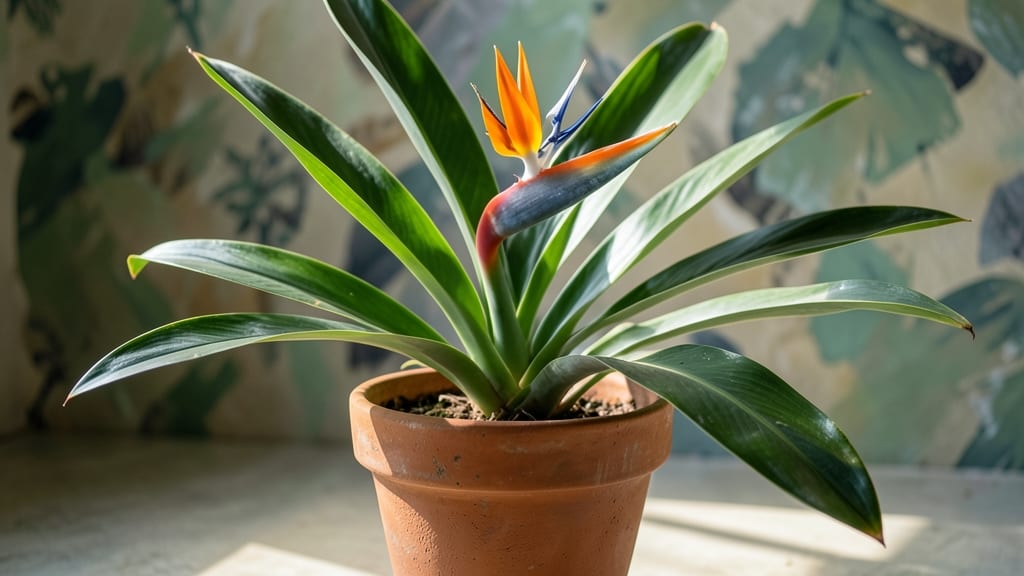
Pruning your desert bird of paradise bush (Caesalpinia gilliesii) unlocks a cascade of vibrant blooms that last all year. ✨ The key isn’t just cutting back—it’s strategic layering that keeps this drought-loving beauty thriving in arid climates.
I’ve learned the hard way that skipping this step means fewer flowers and leggy growth, but with the right technique, your plant will reward you with bright orange-red blooms from spring through fall.
This bush thrives in zones 9-11, where it handles heat and poor soil like a champ. Start by gathering sharp pruners and gloves—you’ll want to work cleanly to avoid disease. The best time to prune is late winter or early spring, just as new growth begins.
Focus on removing dead branches first, then shape the plant by cutting back overgrown stems by one-third to encourage bushier growth and more blooms.
What you’ll end up with is a compact, year-round flowering shrub that’s the star of any desert or Mediterranean garden. The blooms attract hummingbirds, and the feathery foliage adds texture to dry landscapes.
Just remember: prune too much, and you’ll stunt growth; prune too little, and the plant gets woody and sparse. Balance is everything.
For those tricky spots, like yellowing leaves or sparse blooms, we’ll troubleshoot later—but first, let’s get your pruning game on point. This bush is tough, but it still needs your attention to stay at its best. Ready to transform it into a blooming machine?
📚 In This Guide
- What you need
- Instructions
- Tips and common mistakes
- Wrapping up and next steps
What you need
- ● Pro tip: 💡 Check your tools first! Dull blades crush stems, stressing the plant. Sharpen or replace before starting.
Step-by-step instructions for pruning your Desert Bird of Paradise
Here's how to revive your blooms and maintain that lush, tropical look year-round.
✂️ Step 1: Remove Dead or Damaged Growth First
Start by inspecting your bush for any brown, crispy, or broken branches—these are dead and won’t recover. Use clean, sharp pruners to cut these back to healthy green tissue. You’ll notice the contrast immediately: dead stems look dry and papery, while living growth feels firm and snaps with a slight bend.
Don’t worry about making perfect cuts here—just focus on removing anything that’s clearly past saving. If you’re unsure whether a branch is dead, scratch the bark with your fingernail. If it’s green underneath, it’s still alive and should stay put for now.
✂️ Step 2: Shape the Bush for Airflow and Light
Next, step back and assess the overall shape. Desert Bird of Paradise thrives when it gets plenty of airflow and sunlight. Start by thinning out the center of the bush to let light reach the inner branches. Look for areas where stems are growing too close together—these can trap moisture and invite disease.
Trim back any overcrowded branches by about one-third of their length, cutting just above a leaf node or side branch. This encourages bushier growth and prevents the center from becoming too dense. You’ll see new side shoots forming within a few weeks—that’s your sign you’re doing it right.
✂️ Step 3: Encourage New Blooms with Strategic Cuts
To keep your bush flowering year-round, focus on cutting back branches that have finished blooming. Look for stems with faded or dried-up flowers—these are the ones to trim. Cut them back to just above a set of healthy leaves or a strong side branch. This signals the plant to redirect its energy into producing fresh blooms.
For older branches that have stopped flowering entirely, you can cut them back more aggressively—up to half their length. Just avoid over-pruning, as this can stress the plant. If you’re unsure, err on the side of caution and make smaller cuts. You’ll know you’ve done well when you see fresh, vibrant growth emerging from the trimmed areas.
✂️ Step 4: Lightly Prune for Maintenance After Heavy Blooms
After your bush has put on a spectacular show of flowers, give it a light trim to keep it looking its best. Remove any spent blooms by cutting the stem just above the next set of leaves. This prevents the plant from wasting energy on seeding and encourages it to focus on producing more flowers.
Pay attention to the overall shape—if your bush is getting too leggy or top-heavy, trim the longest branches back by about one-quarter to encourage a fuller, more compact shape. This is especially important if your bush is in a pot, where root space is limited. A well-maintained Desert Bird of Paradise will reward you with continuous blooms and a vibrant, healthy appearance.
⏰ Step 5: Clean Up and Monitor for New Growth
After pruning, take a moment to clean up any fallen debris around the base of the plant. This helps prevent pests and disease from taking hold. Sterilize your pruners with rubbing alcohol between cuts if you’re working on multiple plants—this keeps everything sanitary.
Keep an eye on your bush in the weeks following pruning. You should see new growth emerging from the trimmed areas within 2-4 weeks. If you notice any yellowing leaves or wilting, it might mean you’ve over-pruned or the plant is stressed. In that case, give it a little extra water and some shade until it recovers. With proper care, your Desert Bird of Paradise will bounce back beautifully and keep blooming for seasons to come.
Tips & tricks for perfect Desert Bird of Paradise pruning
These simple tricks will help you transform your pruning session into a stress-free, rewarding experience that keeps your bush thriving.
Tool Prep is Everything: Before you begin, sharpen your pruners with a file or hone them on a sharpening stone. Dull blades tear plant tissue instead of making clean cuts, which can damage the plant and invite disease. I also like to wipe down the blades with rubbing alcohol after each cut when working on multiple plants—it keeps everything sanitary and prevents cross-contamination.
Visual Cues for Healthy Tissue: In Step 1, when you're deciding whether to cut a branch, look for these visual clues: healthy green tissue should be firm and snap with a slight bend, while dead wood will be dry, papery, and break easily. For branches you're unsure about, do the fingernail test—scratch the bark. If it's green underneath, leave it alone; if it's brown, it's time to prune. This simple test saves you from over-pruning.
Timing New Growth: The instructions mention seeing new growth within 2-4 weeks after pruning, but here's what to watch for: look for tiny buds forming at the base of your cuts, or new leaves unfurling from the trimmed areas. If you don't see any signs of new growth after 4 weeks, your plant might need extra care—water it more frequently and give it some afternoon shade until it recovers. Patience is key here!
Pro Tips for Desert Bird Of Paradise Bush
- These simple tricks will help you transform your pruning session into a stress-free, rewarding experience that keeps your bush thriving.
- Tool Prep is Everything: Before you begin, sharpen your pruners with a file or hone them on a sharpening stone.
- For branches you're unsure about, do the fingernail test—scratch the bark.
Frequently asked questions
When is the best time to prune my Desert Bird of Paradise bush?
The ideal time to prune is late winter or early spring (just before new growth starts). This helps shape the plant while avoiding harsh summer heat or winter dormancy. Light trimming can also be done after blooming to encourage more flowers. Avoid heavy pruning in fall—it may stress the plant before winter.
How much can I prune without harming the bush?
You can safely remove up to one-third of the plant’s height in a single session. Focus on dead, diseased, or crossing branches first, then shape the bush by cutting back leggy stems. Avoid over-pruning—this plant is resilient but benefits from gradual shaping. Never cut into old wood (thick, woody stems), as it won’t regrow.
What should I do if my bush isn’t blooming after pruning?
If your Desert Bird of Paradise skips blooms, check these fixes:
- Light exposure: Ensure it gets full sun (6+ hours daily)—partial shade reduces flowers.
- Watering: Drought stress can halt blooms; water deeply 1–2 times per week (less in winter).
- Fertilizer: Use a low-nitrogen, high-phosphorus fertilizer (like 5-10-10) in spring to boost blooms.
- Pruning timing: If you pruned too late in the season, wait until next spring.
Can I propagate my Desert Bird of Paradise bush from cuttings?
Yes! Take 4–6 inch semi-hardwood cuttings in late spring or early summer. Dip the cut end in rooting hormone, plant in well-draining soil, and keep moist (but not soggy). Place in bright, indirect light until roots form (4–8 weeks). Pro tip: Use a mix of cactus/succulent soil + perlite for best results.
Why are my leaves yellowing or dropping after pruning?
Yellowing leaves are usually normal post-pruning, but excessive drop-off signals stress. Check for:
- Over-pruning: Too many cuts at once can shock the plant. Space trims 4–6 weeks apart.
- Pests: Inspect for aphids or spider mites (common in stressed plants). Treat with neem oil if needed.
- Water issues: Overwatering causes root rot; underwatering causes leaf drop. Aim for deep, infrequent watering.
If the problem persists, adjust care and monitor for 2–3 weeks—new growth should return!
Wrapping up and next steps
The Desert Bird of Paradise bush is a stunning addition to any landscape, and with the right pruning techniques, you can keep it thriving year-round! 🌵 By mastering layered trimming and understanding its growth habits, you’re well on your way to a bush that bursts with vibrant blooms and lush foliage.
Now that you’re armed with the knowledge, grab those shears and get pruning! Start with a light trim this season, and soon, your Desert Bird of Paradise will be the showstopper of your garden. Happy gardening! 🌸