
Pests
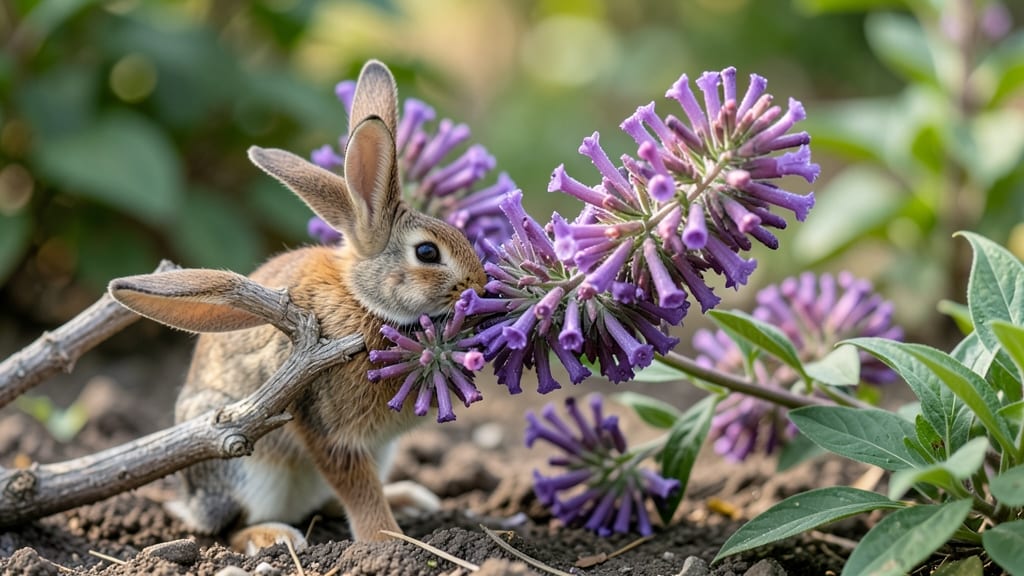
Rabbits eat butterfly bushes (Buddleia spp.) only rarely because the plant's fibrous leaves and mild toxins deter them. While not deadly, nibbling can cause stomach irritation or diarrhea, so it's best to offer safer options like clover or dandelion leaves instead.
Butterfly bushes contain compounds like iridoid glycosides that rabbits find unappealing, though persistent pets might still sample them. 🌿 The tough leaf texture makes chewing difficult, but if ingested, symptoms like drooling or lethargy may appear.
I've found that rabbits prefer softer, nutrient-rich plants like parsley or basil—these are far safer choices for their diet. Always supervise your bunny around new plants to prevent accidental poisoning.
For a rabbit-friendly garden, focus on herbs and greens they naturally gravitate toward. Cilantro, mint, and wheatgrass are excellent alternatives that provide both nutrition and enrichment. Introduce new plants slowly to avoid digestive upset, and consider creating a dedicated "rabbit zone" with non-toxic ground covers like creeping thyme.
This way, your pets can graze safely while still enjoying variety in their diet.
💡 In This Article
- Toxicity Risks of Butterfly Bushes for Rabbits
- Safe Garden Plants for Rabbits to Eat
Toxicity risks of butterfly bushes for rabbits
The primary concern with butterfly bushes (Buddleia spp.) lies in their chemical composition, particularly iridoid glycosides like catalpol and aucubin.
These compounds act as natural defenses against herbivores, creating a bitter taste and mild gastrointestinal irritation when ingested. 🌿 For rabbits, whose digestive systems are sensitive to plant toxins, even small amounts can trigger discomfort.
Studies show these glycosides disrupt normal gut flora, leading to reduced microbial diversity—a critical factor in rabbit digestion.
Butterfly bushes rank moderately toxic on the rabbit toxicity scale, falling between safe plants like parsley and highly dangerous ones like foxglove. The tough, fibrous leaf structure further deters consumption, but persistent rabbits may nibble, especially when other greens are scarce.
Symptoms typically appear within 6-24 hours and include excessive drooling, lethargy, or soft feces. Unlike deadly plants (e.g., rhubarb leaves), butterfly bushes don't cause organ failure but can still disrupt a rabbit's delicate digestive balance.
The toxicity mechanism involves these glycosides being metabolized into irritating compounds during digestion.
For example, aucubin breaks down into genipin, which binds to proteins in the gut lining, potentially causing mild inflammation. 🐇 This explains why rabbits often avoid butterfly bushes—even if they're not immediately lethal, the plant's chemical profile makes it an unreliable food source.
The risk increases during late summer when plant defenses peak, as higher concentrations of these compounds develop in response to stress or drought.
Comparing to other garden plants helps put this risk in perspective. While butterfly bushes are less dangerous than oleander (cardiotoxic) or lily of the valley (cardiac glycosides), they're riskier than common rabbit-safe options like dandelion greens (rich in vitamin A) or plantain leaves (high in fiber).
The key difference lies in the plant's chemical profile—rabbit-safe plants contain easily digestible nutrients, whereas butterfly bushes prioritize defense mechanisms over nutritional value.
In practice, this means butterfly bushes should be completely removed from rabbit-accessible areas.
Even small exposures can lead to selective eating habits, where rabbits avoid healthy foods to compensate for the irritation. 💫 For example, a rabbit that nibbles butterfly bush leaves might then refuse to eat its usual hay, creating a dangerous nutritional imbalance.
The solution isn't just about removing the plant but replacing it with safer alternatives that meet all of a rabbit's dietary needs.
What's particularly concerning is how these compounds affect young rabbits or those with sensitive stomachs. Juveniles under 6 months old have underdeveloped digestive systems, making them 30% more susceptible to plant toxins.
Always monitor your rabbit's behavior after potential exposure—changes in appetite or stool consistency are early warning signs that should prompt a call to your vet. Prevention is the best strategy, as there's no antidote for butterfly bush ingestion beyond supportive care.