
Pruning
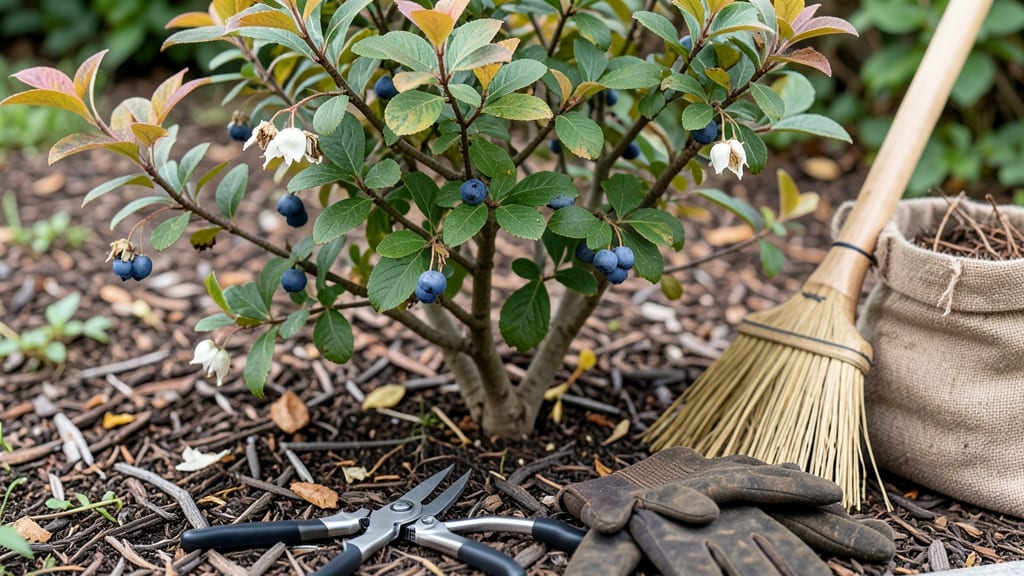
You generally shouldn't cut back blueberry bushes in the fall unless removing dead or diseased wood, as late pruning risks winter damage and disrupts their natural dormancy cycle. Most varieties benefit more from light shaping after harvest or in late winter.
Blueberry bushes enter dormancy in fall to protect tender growth from freezing temperatures, and pruning during this period can actually weaken their resilience. 🌿 The key is understanding their growth patterns—most bushes produce fruit on last year's wood, so aggressive cuts in fall remove potential blooming sites.
Instead, focus on removing only clearly dead branches now, then plan your main pruning for late winter when the plant is still dormant but before new buds emerge.
This timing gives you the best chance to shape the bush without stressing it. For example, highbush varieties often need more aggressive pruning than rabbiteye types, but both respond poorly to fall cuts.
The exception is if you spot diseased wood—remove it immediately to prevent spread, but keep cuts clean and avoid excessive trimming.
💡 In This Article
- Why Fall Pruning Can Harm Blueberry Bushes
- Best Pruning Schedule for Blueberry Bushes by Season
Why fall pruning can harm blueberry bushes
Blueberry bushes rely on a natural dormancy cycle to survive winter, and fall pruning disrupts this process. When you cut back branches in late autumn, you expose fresh growth that hasn't yet hardened off for cold weather.
This tender wood is vulnerable to frost damage, which can kill new shoots before they even have a chance to establish roots. The plant's energy reserves—stored in stems and leaves—are also critical for spring regrowth, and aggressive pruning depletes these reserves prematurely.
The real danger lies in how blueberries flower. Most varieties produce fruit on one-year-old wood, meaning last year's growth becomes this year's flowering stems. Cutting these back in fall removes potential blooming sites, reducing next year's harvest.
For example, highbush varieties like 'Duke' or 'Bluecrop' can lose 30-50% of their flowering wood if pruned heavily in autumn, while rabbiteye types like 'Climax' are slightly more forgiving but still suffer from delayed spring recovery. 🌱
Temperature fluctuations in fall also create stress. When you prune, the plant must heal wounds while simultaneously preparing for winter. Cold nights followed by warm days can cause freeze-thaw cycles in fresh cuts, leading to bacterial or fungal infections.
The sap flow slows in fall, but it doesn't stop entirely—exposed cuts continue to ooze, creating entry points for pathogens like botrytis blight, which thrives in damp, chilly conditions.
There's a biological reason why most fruit bushes wait for late winter: the plant's natural defenses are strongest during dormancy. Pruning in late winter (just before buds swell) allows you to remove dead wood while the plant is still protected by its winter hardiness.
The 2-3 week window between when the ground thaws and buds break ensures the bush has time to heal before spring growth begins. This timing also avoids the risk of late frost damage to new shoots.
Consider the case of a 5-year-old highbush blueberry bush in USDA Zone 5. If pruned aggressively in October, it might produce only 60% of its usual fruit the following season due to lost flowering wood and delayed recovery.
The same bush pruned in late February would likely yield 90% of its potential harvest, with healthier, more vigorous growth. The difference comes down to letting the plant control its own timeline rather than forcing it into action when it's biologically unprepared.
Even light shaping in fall can backfire. For instance, if you trim just to neaten the bush after harvest, you might accidentally remove half-inch-diameter stems that were intended to flower next year. These stems are often overlooked because they appear "healthy," but they're the backbone of your future crop.
The key is patience—wait until the plant signals readiness through bud swell, usually 4-6 weeks before last frost in your region.