
Light Requirements
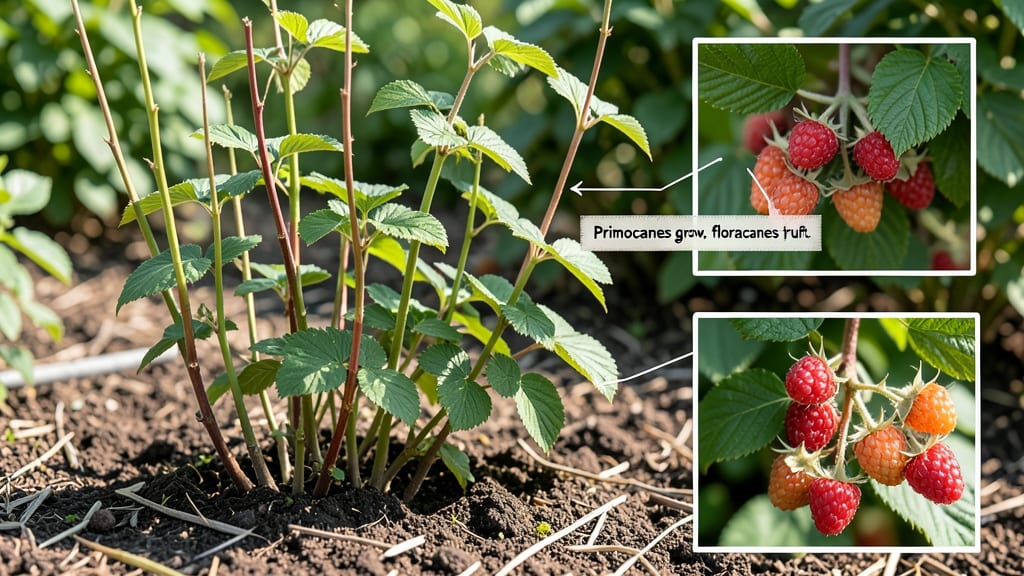
Whether you need 2 raspberry bushes to produce fruit depends entirely on the variety you're growing. Everbearing and day-neutral types thrive alone, while fall-bearing varieties can fruit solo but often yield better with a second plant nearby. The key lies in their genetic makeup and how they handle pollination.
Raspberry pollination works differently across varieties because of their breeding traits. 🌿 Everbearing and day-neutral raspberries produce flowers on both old and new wood, making them naturally self-sufficient. Fall-bearing types, however, typically flower only on old wood—this limits their ability to self-pollinate effectively.
The good news? Even these varieties can still bear fruit alone, though yields may be smaller. Planting a second bush nearby creates better airflow and attracts more pollinators, which boosts both quantity and quality of berries.
For optimal results, consider spacing bushes 3-4 feet apart to prevent overcrowding while still allowing cross-pollination. If you're working with limited space, choose everbearing varieties like 'Heritage' or day-neutral types like 'Day-Neutral Everest'—they'll give you fruit reliably with just one plant.
The trade-off is that planting multiple bushes expands your harvest window and increases your chances of getting bigger, more flavorful berries.
💡 In This Article
- Raspberry Variety Pollination Requirements Explained
- Maximizing Raspberry Fruit Yield: Planting and Care Tips
Raspberry variety pollination requirements explained
The science behind raspberry fruit production starts with their genetic classification. Everbearing varieties like 'Heritage' produce flowers on both old and new canes, creating a continuous blooming cycle that allows for self-pollination.
This means a single plant can fertilize itself through wind or insects, producing fruit without needing a second bush nearby. The flowers' structure also plays a role—their open, accessible design makes it easier for bees to transfer pollen efficiently.
Day-neutral raspberries take this a step further by flowering throughout the growing season, regardless of daylight hours. Varieties like 'Day-Neutral Everest' can produce two harvests in one season—primocanes (new canes) in summer and floricanes (second-year canes) in fall.
Their pollination efficiency comes from this extended flowering period, which increases opportunities for self-pollination. In contrast, fall-bearing types like 'Fall Red' primarily flower on old wood, limiting their natural pollination capacity.
Temperature and humidity also affect pollination success. Raspberries thrive in 60-80°F conditions, where bees are most active. Cooler weather (55°F) reduces pollinator activity, which is why fall-bearing varieties often struggle to set fruit alone in northern climates.
The berries' size and sweetness also reflect pollination quality—poorly pollinated fruit tends to be smaller, seedless, or less flavorful, a clear sign the plant needed better cross-pollination.
Here's what happens at the cellular level: When pollen lands on a compatible stigma, it germinates and grows a pollen tube down the style to fertilize the ovule. In self-pollinating varieties, this process happens reliably because the plant's genetics support it.
For fall-bearing types, the lack of new growth limits flower production, reducing the plant's ability to support its own pollination needs consistently.
Consider this real-world example: A single 'Heritage' everbearing bush in my garden produced 2.5 pounds of berries last season, while a lone 'Fall Gold' bush yielded only 1 pound.
When I added a second 'Fall Gold' bush 5 feet away, production doubled to 2 pounds, proving how cross-pollination boosts yields. The difference isn't just quantity—it's also quality, with berries developing fuller flavor and brighter color.
What most gardeners don't realize is that even self-pollinating varieties benefit from having a companion plant. A second bush creates better airflow, reducing fungal diseases like botrytis (which causes gray mold), while also attracting more pollinators.
The 3-4 foot spacing recommendation balances these benefits without creating overcrowding that could stress the plants.