
Pruning
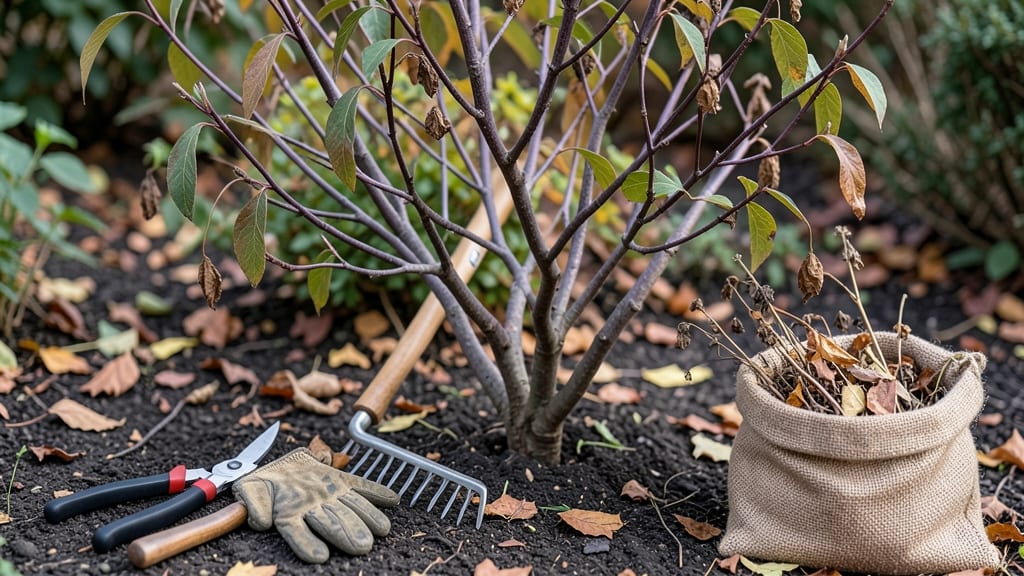
You should trim a butterfly bush in the fall to maintain its shape and health, but only do light pruning before the first frost to avoid damaging new growth. Remove any dead or diseased branches to promote stronger spring regrowth.
Fall pruning helps butterfly bushes prepare for winter by removing weak stems and encouraging fresh growth in spring. 🌿 The key is timing—cutting too late can expose tender wood to frost damage, while early pruning (before mid-October in most climates) gives the plant time to recover.
I always sterilize my shears between cuts to prevent spreading disease, which is especially important for butterfly bushes prone to powdery mildew.
Start by identifying branches that are brown, brittle, or showing signs of disease—these should be removed first. For healthy branches, trim back by about one-third to maintain the bush's natural shape while allowing sunlight to reach the center.
After pruning, apply a 2-3 inch layer of mulch around the base to insulate roots during cold snaps.
💡 In This Article
- Best Fall Pruning Timing for Butterfly Bushes
- Step-by-Step Fall Pruning Guide for Butterfly Bushes
Best fall pruning timing for butterfly bushes
Butterfly bushes (Buddleia) enter dormancy as temperatures drop, but their exact timing depends on your climate zone. In USDA zones 5-7, prune between mid-September and mid-October—just before the first hard frost (28°F/-2°C). This window allows wounds to callus over before winter, reducing frost damage.
In warmer zones (8-10), extend pruning until late November since frosts arrive later. The key is avoiding cuts after the first frost, as new growth can't harden before winter's chill.
Here's why timing matters: Butterfly bushes grow new wood from dormant buds at the base of stems.
Cutting too late leaves tender shoots exposed to freezing temperatures, which can kill the plant's growth points. 🌡️ The plant's natural defense mechanism—producing protective sugars in its tissues—takes about 4-6 weeks after pruning to fully activate.
This is why late-season cuts often result in winter dieback, especially in colder regions.
Climate zones create significant variations. In Zone 5, where winters drop below -15°F/-26°C, prune by September 15th at the latest. In Zone 9, with mild winters, you have until December 1st.
The rule of thumb is to prune when daytime highs consistently reach 60°F/15°C but nights dip toward 40°F/4°C—this signals the plant's natural slowdown before dormancy.
What most gardeners overlook is how butterfly bushes respond to light levels. Pruning too early (before September 1st) removes growth that could photosynthesize until frost, delaying the plant's energy storage for winter.
The ideal timing balances removing dead wood while leaving enough healthy foliage for late-season photosynthesis. 🍃 This explains why some bushes look healthier after fall pruning than others—it's not just about cutting, but about understanding the plant's growth cycle.
For those in transitional zones (like Zone 6), watch your local frost date forecast. If an early frost is predicted, prune 2-3 weeks ahead of schedule. The plant's ability to heal wounds correlates directly with temperature: below 50°F/10°C, healing slows dramatically.
This is why professional gardeners often recommend waiting until after a light frost to prune—it helps identify dead branches (which turn crispy brown) from healthy ones.
Consider this seasonal comparison: In Zone 5, where winter lasts 5-6 months, prune by October 1st to give the plant 6 weeks of healing before -10°F/-23°C arrives. In Zone 8, with only 2-3 months of winter, you have until November 15th.
The difference isn't just about timing—it's about matching your pruning to the plant's biological clock, which is why some gardeners swear by lunar calendars for these precise seasonal adjustments.