
Pruning
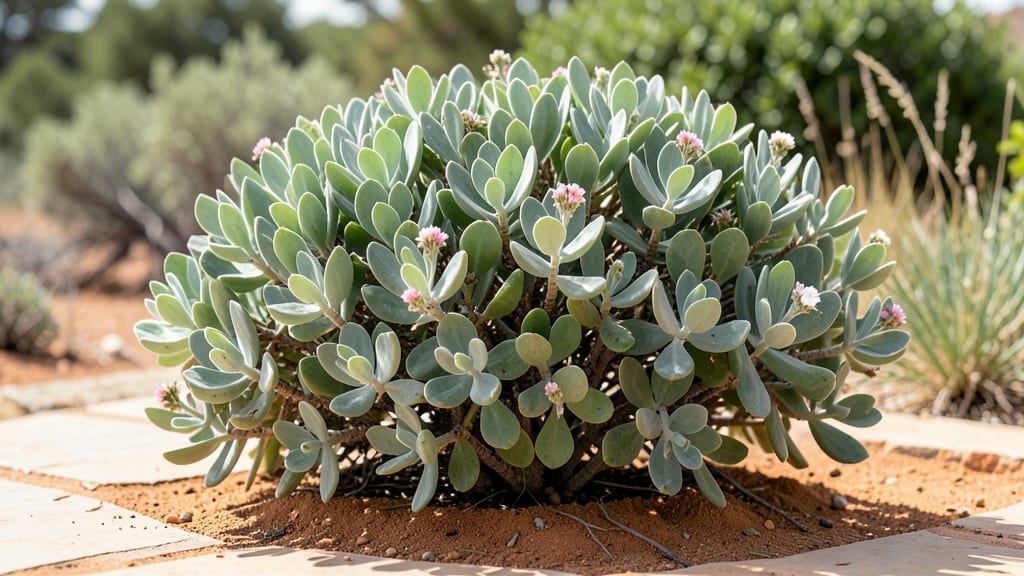
Growing elephant bush in Arizona means desert-proof blooms that thrive on neglect—no fuss, no guilt, just stunning foliage that punches way above its watering needs. 🌵 I’ve watched mine go from scraggly to showstopper in just two seasons, all while sipping less water than a cactus.
The secret? Mimicking its natural habitat: well-draining soil, blazing sun, and hands-off care that even the busiest gardener can handle.
This succulent shrub handles Arizona’s extremes like a champ—100°F heat and zero humidity? No problem. It’s drought-tolerant, pest-resistant, and happy in both Phoenix’s brutal summers and Flagstaff’s cooler high-desert climate.
Start with fast-draining soil (cactus mix works perfectly) and plant in full sun—shade will turn those vibrant leaves into sad, stretched-out shadows. Prune lightly after blooms fade to keep it bushy, and you’ll have a year-round green machine that looks good enough to eat (though don’t try that).
By summer’s end, your elephant bush will be bursting with tiny pink flowers and dense, jade-green foliage that’s the envy of the neighborhood. It’s the kind of plant that makes you feel like a desert landscaping pro—no green thumb required.
Plus, it’s deer-proof, which is basically a superpower in Arizona. The best part? You’ll spend less time fussing and more time admiring how little it needs to look this good.
Whether you’re filling a rocky median, lining a pathway, or topping a raised bed, this plant delivers low-maintenance beauty with zero apologies. Just remember: the drier the soil, the happier the bush.
Now go forth and let it do the work for you—your future self (and your water bill) will thank you.
📚 In This Guide
- What you need
- Instructions
- Tips and common mistakes
- Wrapping up and next steps
What you need
- ● Elephant Bush Plants: 1–3 mature plants (6–12 inches tall) from a nursery or online supplier (ensure they’re labeled Portulacaria afra or "Elephant Bush").
- ● Well-Draining Soil: Cactus/succulent mix (or amend regular soil with 50% perlite or coarse sand to prevent root rot).
- ● For pots: 1 gallon container per plant (minimum 12 inches deep) with drainage holes.
- ● Sunlight Access: Full sun exposure (6+ hours/day) for optimal growth.
- ● Watering Supplies: Drip irrigation system or watering can with a narrow spout (to avoid wetting foliage).
- ● Pruning Tools: Clean, sharp bypass pruners (for shaping) or sterilized shears (for larger cuts).
- ● Rubbing alcohol (70% or higher) for sterilizing tools between cuts.
- ● Fertilizer: Balanced 20-20-20 or succulent-specific fertilizer (apply sparingly 2–3 times/year).
- ● Mulch: Gravel or decomposed granite (1–2 inches) to retain moisture and deter weeds.
- ● Support Stakes: For tall varieties (e.g., ‘Variegata’), use bamboo stakes to train growth.
- ● Shade Cloth: Lightweight 30–50% shade cloth for seedlings or extreme Arizona heatwaves.
- ● Propagative Supplies: If you want to grow from cuttings, grab rooting hormone and small pots.
Step-by-step instructions for planting elephant bush in Arizona’s desert climate
Here’s how to establish thriving elephant bush plants that thrive on neglect and deliver vibrant blooms year after year.
🌱 Step 1: Choose the Perfect Planting Spot
Elephant bush (Portulaca grandiflora) thrives in full sun, so pick a location that receives at least 6-8 hours of direct sunlight daily. In Arizona’s intense desert climate, afternoon shade is a bonus—it prevents flower scorch during peak heat. Avoid low-lying areas where cold air pools, as elephant bush is frost-sensitive.
Test the soil by digging a 6-inch hole—the native desert soil is already well-draining, but if it feels compacted, mix in 1 part coarse sand to improve aeration. The plant’s succulent stems store water, so don’t over-amend with organic matter. A slightly alkaline soil (pH 7.0-8.0) is ideal, which matches Arizona’s natural conditions.
☀️ Step 2: Plant at the Right Time and Depth
Plant elephant bush in early spring (after the last frost) or late summer to avoid extreme midday heat. Space plants 12-18 inches apart to allow airflow and prevent fungal issues. Dig a hole twice as wide as the root ball but only as deep as the container—burying too deep suffocates the roots.
Gently remove the plant from its container and loosen any circling roots. Place it in the hole so the top of the root ball sits even with the surrounding soil level. Press the soil firmly around the roots to eliminate air pockets, then water deeply to settle everything. Avoid compacting the soil too much—elephant bush prefers loose, gritty conditions.
💧 Step 3: Water Deeply but Infrequently
Elephant bush is drought-tolerant once established, but young plants need consistent moisture for the first 2-3 weeks. Water deeply once a week, soaking the soil to a depth of 6 inches. Let the top 2 inches of soil dry out between waterings—this encourages deep root growth. Overwatering causes root rot, so avoid soggy soil at all costs.
After the initial establishment period, reduce watering to every 10-14 days unless temperatures exceed 100°F, where you may need to water biweekly. Mulch lightly with ½ inch of gravel (not organic mulch) to retain moisture and deter weeds. This mimics the plant’s natural desert habitat and reduces evaporation.
✂️ Step 4: Prune for Bushier Growth and Longer Blooms
Deadhead spent flowers by pinching off the entire stem at the base. This encourages continuous blooming and prevents the plant from going to seed too early. Prune lightly after each flush of flowers—elephant bush blooms prolifically in spring and fall, with sporadic summer flowers if kept cool.
If the plant looks leggy, trim the longest stems back by one-third. This triggers bushier growth and denser foliage. Avoid heavy pruning in summer, as the plant may struggle to recover in Arizona’s heat. Shear lightly in early spring to shape the plant and promote vigorous new growth.
🪴 Step 5: Protect from Extreme Heat and Frost
While elephant bush handles Arizona’s heat, temperatures above 105°F can cause flower drop. Provide light afternoon shade during peak summer if your plant is struggling. Water more frequently during heatwaves but avoid wetting the foliage, which can lead to fungal issues.
If frost threatens, cover the plant with a lightweight frost cloth or move potted specimens to a sheltered location. Elephant bush is tender and won’t survive below 25°F. In colder desert areas, treat it as an annual or overwinter it indoors with bright light and reduced watering.
Tips & tricks for perfect elephant bush in Arizona’s desert climate
These desert-smart strategies will help you grow vibrant elephant bush that thrives with minimal fuss. Here's what I've learned from years of trial and error in Arizona's intense conditions.
Sunlight Strategy: The 6-8 hours of daily sun requirement is non-negotiable, but I've found that positioning plants slightly west of center in your garden creates a natural afternoon shade effect during peak heat. This prevents flower scorch while still providing the full sun exposure needed for optimal blooming. For container plants, rotate them weekly to ensure even sun exposure on all sides.
Soil Preparation: When testing your 6-inch hole for compaction, look for the telltale signs of desert soil: it should crumble easily between your fingers and have a gritty texture. If you need to add coarse sand, use 90% sand and 10% perlite for the best aeration. The key is to mimic the natural desert soil composition without introducing organic matter that could retain too much moisture.
Watering Wisdom: Those first 2-3 weeks of consistent weekly watering are critical, but I've discovered a simple trick to check if you're watering correctly. Stick your finger 2 inches down into the soil—if it feels completely dry, you're not watering deeply enough. The top 2 inches should dry out between waterings, but the deeper 6 inches should remain moist. This encourages the plant's succulent stems to develop properly and store water efficiently.
Heat Management: When temperatures climb above 105°F, I've found that providing light afternoon shade isn't just about preventing flower drop—it also helps maintain the plant's vibrant color. Use lightweight shade cloth (30-40% shade) rather than heavy materials that could trap too much heat. For container plants, move them to a slightly shaded area during the hottest part of the day, then return them to full sun in the morning and evening.
Pro Tips for Elephant Bush Arizona
- These desert-smart strategies will help you grow vibrant elephant bush that thrives with minimal fuss.
- Sunlight Strategy: The 6-8 hours of daily sun requirement is non-negotiable, but I've found that positioning plants slightly west of center in your garden creates a natural afternoon shade effect during peak heat.
- Soil Preparation: When testing your 6-inch hole for compaction, look for the telltale signs of desert soil: it should crumble easily between your fingers and have a gritty texture.
Frequently asked questions
How often should I water my Elephant Bush in Arizona’s heat?
Water your Elephant Bush deeply but infrequently—about once every 2–3 weeks during peak summer (June–September). In cooler months (October–May), reduce to every 3–4 weeks or when the top 1–2 inches of soil feel dry. Overwatering is the #1 killer—this succulent stores moisture in its thick stems! Pro tip: Amend soil with gravel or perlite to prevent soggy roots.
When is the best time to prune my Elephant Bush?
Prune in late winter or early spring (February–March) to encourage bushier growth and remove leggy stems. Avoid pruning in summer—heat stress can slow recovery. Trim back 1/3 of the plant if needed, but never cut more than 30% at once. Use sterilized shears to prevent disease, and wear gloves—sap can irritate skin! Bonus: Pruned stems root easily in water if you want to propagate new plants.
Why are the leaves turning yellow or dropping?
Yellowing or dropping leaves usually signal overwatering or root rot. Check the soil—if it’s soggy, reduce watering and improve drainage. Brown, crispy leaves? That’s often underwatering or sunburn (move to partial shade temporarily). Pests like mealybugs can also cause stress—inspect stems and treat with neem oil if needed.
Can Elephant Bush survive Arizona’s extreme summer temps (110°F+)?
Elephant Bush is drought-tolerant and heat-loving, thriving in full sun (10+ hours/day). However, new plants or small cuttings may need afternoon shade (1–4 PM) until established (6+ months). Hot tip: Harden off young plants gradually by exposing them to sun for 2–3 hours daily before full sun.
What are some low-maintenance alternatives to Elephant Bush for Arizona?
If you want similar drought-resistant, succulent-like plants, try:
- Senna covesii (Cove’s Senna) – Bright yellow blooms, ultra-low water.
- Agave parryi – Spiky, architectural, and nearly indestructible.
- Bougainvillea – Vibrant colors, thrives in heat (needs well-draining soil).
- Dwarf Yucca (Yucca rostrata) – Minimal care, striking foliage.
Wrapping up and next steps
Growing elephant bush in Arizona is a rewarding way to bring vibrant desert charm to your landscape—with minimal fuss!
This hardy plant thrives on neglect, making it perfect for busy gardeners or those embracing xeriscaping. 🌵✨ By following the right pruning techniques, watering strategies, and soil prep, you’ll enjoy lush, drought-resistant blooms year after year.
Ready to transform your yard? Start small—plant one elephant bush as a test, then expand as you fall in love with its resilience. Your desert oasis awaits!