
Pruning
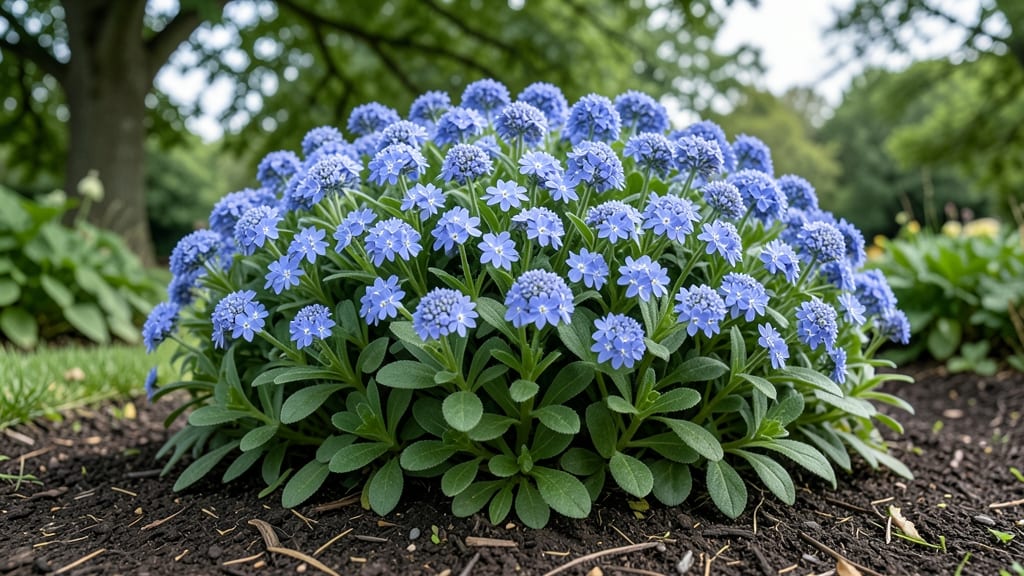
The forget-me-not bush (Myosotis spp.) turns your garden into a sky-blue dream with almost no effort. 💙 I’ve grown these hardy perennials for years, and they reward minimal pruning with months of blooms—even in winter if you’re in the right zone. The secret?
Understanding their love for cool weather and how to coax them into a second flush of flowers. These bushes thrive in partial shade and well-draining soil, making them perfect for understory plantings or woodland gardens. Water them regularly but avoid soggy roots—they’re tough but not waterlogged.
In zones 3-9, they’ll return every year, while warmer climates treat them as annuals. The key to year-round blooms? A light pruning after each flush to encourage new growth. By mid-summer, you’ll have a bush bursting with tiny blue flowers that last for weeks.
The foliage stays lush and green, providing a striking contrast to deeper greens or silver foliage plants. Even better? Deer and rabbits usually leave them alone, so you won’t need extra protection. For best results, plant them in fall or early spring when the soil is cool.
Mulch lightly to retain moisture, and watch them spread gently over time. Whether you’re filling a shady corner or adding color to a cutting garden, these bushes are the easy-care blue you’ve been waiting for.
📚 In This Guide
- What you need
- Instructions
- Tips and common mistakes
- Wrapping up and next steps
What you need
- ● Forget-me-not plants: 1–3 nursery-grown Myosotis plants (perennial varieties like Myosotis sylvatica for best results)
- ● OR 5–10 seeds (if starting from scratch—germination can be finicky!)
- ● Soil: 1–2 bags of well-draining potting mix (or garden soil amended with compost)
- ○ Optional: Perlite or sand (1 part per 4 parts soil) for improved drainage
- ● Container or garden bed: For containers: 6–8" pots with drainage holes (1 per plant)
- ● For gardens: A partially shaded spot with moist, fertile soil (6" deep and 12" wide per plant)
- ● Watering tools: Watering can or hose with a gentle spray nozzle
- ● Mulch (2–3 inches of organic mulch, like shredded bark or straw)
- ● Pruning essentials: Bypass pruners (sharp, clean, and sterilized with rubbing alcohol)
- ● Gloves (to protect from thorns or rough stems)
- ● Fertilizer: Balanced 10-10-10 or slow-release granules (apply sparingly—over-fertilizing can harm delicate roots)
- ● Stakes or cages (if your forget-me-nots flop in windy areas)
- ● pH test kit (ideal soil pH: 6.0–7.0)
- ● Seedling trays (if propagating from seeds)
- ● Plant labels (to track varieties and pruning schedules!)
Step-by-Step instructions for planting and maintaining forget-me-not bushes
Here's how I grow these cheerful blue beauties with almost no fuss—just follow these simple steps.
🌱 Step 1: Choose the Perfect Planting Spot
Forget-me-not bushes thrive in partial shade, receiving 3-6 hours of morning sun and afternoon shade. I always plant mine where they get dappled light from nearby trees—this prevents the leaves from scorching while still encouraging blooms. Avoid full sun, which can cause the flowers to fade quickly.
Test your spot by observing how sunlight moves across the area throughout the day. If the ground stays damp for long periods, amend the soil with a 2-inch layer of compost to improve drainage. Forget-me-nots hate soggy roots, so well-draining soil is non-negotiable. I dig in a handful of perlite or sand if my native soil is heavy clay.
🪴 Step 2: Prepare the Soil and Plant
Dig a hole twice as wide as the root ball but only as deep as the container it came in. This prevents burying the stem too deeply, which can rot over time. Gently loosen the roots if they’re circling tightly in the pot—this encourages them to spread outward in their new home.
Mix the excavated soil with 1 part compost to create a nutrient-rich blend. Place the plant in the hole, backfill with the amended soil, and press lightly around the base to remove air pockets. Water deeply right after planting to settle the soil and eliminate gaps. You’ll know it’s done right when the soil surface looks firm but not compacted.
☀️ Step 3: Water and Mulch for Long-Term Health
Water your forget-me-not bush once a week during the first growing season, ensuring the soil stays evenly moist but not soggy. After the first year, they become quite drought-tolerant, so reduce watering to every 2-3 weeks unless your area experiences extreme heat. Check moisture by sticking your finger 1 inch into the soil—if it’s dry, it’s time to water.
Apply a 2-inch layer of mulch around the base, keeping it 3 inches away from the stem to prevent rot. I use shredded bark or pine needles because they break down slowly and improve soil structure over time. Mulch also suppresses weeds, which compete for nutrients and water.
✂️ Step 4: Prune for Continuous Blooms
Forget-me-not bushes bloom best with minimal trimming. After the first flush of flowers fades, cut back spent stems to just above a set of healthy leaves using clean, sharp pruners. This encourages new growth and more blooms. I never cut more than one-third of the plant’s height at a time—aggressive pruning stresses the bush.
In late winter or early spring, give your bush a light shaping trim to remove any dead or crossing branches. This keeps the plant looking tidy without sacrificing next year’s blooms. Forget-me-nots are forgiving, so even if you skip a season of pruning, they’ll bounce back with vibrant blue flowers.
🌿 Step 5: Fertilize and Overwinter for Next Year
Feed your forget-me-not bush once in early spring with a balanced, slow-release fertilizer (10-10-10). I sprinkle a handful around the base and water it in thoroughly. Avoid fertilizing in summer, as this can lead to leggy growth with fewer flowers. Over-fertilizing is the quickest way to turn your bush into a green monster with no blooms.
In fall, reduce watering slightly to prepare the plant for dormancy. Forget-me-nots are hardy in USDA zones 3-8, so they don’t need winter protection unless your area experiences extreme cold snaps. A light layer of mulch over the roots helps insulate them through winter. Come spring, you’ll be rewarded with fresh, cheerful blooms with almost no effort.
Tips & tricks for perfect forget-me-not bushes
These simple strategies will help you grow vibrant, thriving forget-me-not bushes that keep blooming all season long.
Lighting Strategy: Forget-me-nots love morning sun but need afternoon shade to prevent leaf scorch. I plant mine near deciduous trees that provide natural shade in summer months. If your area gets intense afternoon sun, consider installing a sheer fabric shade cloth (50% coverage) during peak heat hours. The 3-6 hours of morning sun is non-negotiable—this is when they get their energy boost for blooming.
Soil Secrets: The 2-inch layer of compost isn't just about nutrients—it's about creating the perfect air-to-water ratio. Forget-me-nots hate soggy roots, so if you're working with heavy clay soil, mix in a handful of perlite or coarse sand for every 2 inches of compost. I've seen forget-me-nots struggle in compacted soil, but with this amendment, they thrive even in less-than-ideal conditions. The key is creating that well-draining environment.
Pruning Precision: When cutting back spent stems in Step 4, always make your cuts just above a set of healthy leaves. This might seem like a small detail, but it's what encourages new growth from the right spots. I've made the mistake of cutting too close to the base, which can stress the plant. Also, never remove more than one-third of the plant's height at once—this keeps the bush strong and prevents shock.
Watering Wisdom: The once-weekly watering during the first year is crucial, but timing matters just as much. Water in the early morning so the leaves have time to dry before evening. This prevents fungal issues that can develop in damp foliage. After the first year, when you reduce to every 2-3 weeks, let the soil dry completely between waterings—this builds root resilience. Stick your finger 1 inch into the soil as your guide, not the calendar.
Pro Tips for Forget Me Not Bush
- These simple strategies will help you grow vibrant, thriving forget-me-not bushes that keep blooming all season long.
- Lighting Strategy: Forget-me-nots love morning sun but need afternoon shade to prevent leaf scorch.
- Soil Secrets: The 2-inch layer of compost isn't just about nutrients—it's about creating the perfect air-to-water ratio.
Frequently asked questions
Got questions about keeping your Myosotis or Cynoglossum forget-me-not bushes thriving with minimal fuss? We’ve got answers!
How often should I trim forget-me-not bushes for year-round blooms?
Light trimming is key! Prune after the first flush of spring blooms (late May–June) to encourage reblooming. For Cynoglossum, a hard cutback in early spring (before new growth) keeps them compact. Myosotis (annuals) rarely need trimming—just deadhead spent blooms to prolong flowers.
Can I trim forget-me-not bushes in winter?
Wait until early spring (when new shoots appear) to avoid damaging dormant plants. Winter trimming risks exposing tender stems to frost. If your bush looks ragged by late winter, a light shape-up is fine—but avoid heavy cuts until growth resumes.
What’s the best alternative if my forget-me-not bush isn’t blooming?
Check light first—Cynoglossum loves full sun (6+ hours/day), while Myosotis tolerates partial shade. If blooms are sparse, try:
- Fertilizing lightly with low-phosphorus feed (e.g., 10-10-10) in spring.
- Swapping in Agastache or Salvia for similar blue blooms with less fuss.
- Dividing overgrown clumps every 3–4 years to rejuvenate growth.
Why are my forget-me-not leaves turning yellow or spotted?
Yellow leaves often signal overwatering or fungal issues. Improve airflow by spacing plants 12–18" apart and water at the base (avoid wetting foliage). For spots, treat with neem oil or copper fungicide. Cynoglossum is more drought-tolerant—let soil dry slightly between waterings.
Do forget-me-not bushes spread aggressively?
Myosotis (annual/biennial) self-seeds lightly but isn’t invasive. Cynoglossum (perennial) spreads via rhizomes—contain it with root barriers or divide clumps every few years. Both are low-maintenance compared to mint or bamboo!
Wrapping up and next steps
The forget-me-not bush is a true gem for gardeners seeking low-maintenance beauty with vibrant blue blooms year-round. With just a few simple pruning steps—like deadheading spent flowers and an annual shape-up—you’ll keep your plant thriving with minimal effort.
Whether you’re a seasoned gardener or just starting, this hardy shrub proves that stunning results don’t require endless work! 🌸
Ready to transform your garden? Grab your shears and give your forget-me-not bush the care it deserves—then sit back and enjoy the show! For extra inspiration, explore our pruning calendar to time your trims like a pro.