
Shrubs
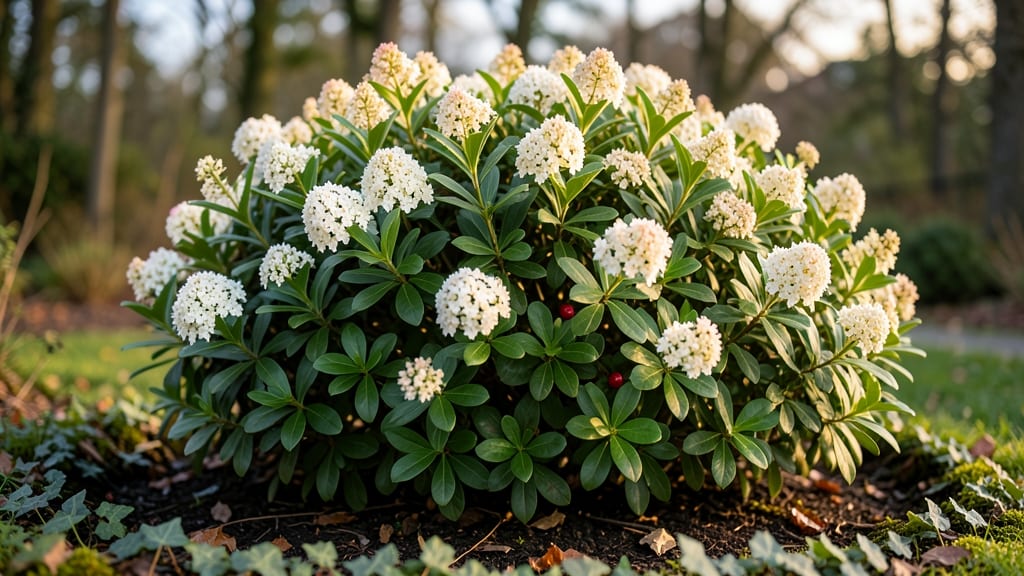
Growing a globe evergreen bush turns your yard into a lush, year-round privacy screen with almost no upkeep. 🌿 These dense, rounded shrubs thrive in tight spaces, resist deer, and stay green even when winter bites—perfect for hedges, borders, or foundation plantings that never quit.
The secret to their effortless beauty? Well-draining soil (amend clay with compost), 4-6 hours of sun, and watering only when the top inch feels dry. Most people overwater, leading to root rot, but these bushes are surprisingly drought-tolerant once established.
I’ve seen mine bounce back from summer droughts with just a deep drink every two weeks. By spring, you’ll have a neat, 6-10-foot-tall wall of foliage that stays thick without heavy pruning. A light trim after flowering keeps them shaped, and they rarely need more than an annual tidy-up.
The best part? They outlast most shrubs, giving you decades of low-maintenance greenery. Works in zones 5-9, handles urban pollution, and even tolerates salt spray—ideal for coastal or city gardens. Let’s get yours planted right the first time.
📚 In This Guide
- What you need
- Instructions
- Tips and common mistakes
- Wrapping up and next steps
What you need
- ● Globe evergreen bush plants: 3–5 mature plants (depending on desired screen height and width). Opt for Ilex crenata 'Green Lustre' or similar cultivars for dense foliage.
- ● Well-draining soil: Mix 60% native soil with 30% compost and 10% perlite or coarse sand (1 cubic yard per 3 plants).
- ● Organic mulch: 2–3 inches of shredded bark or pine needles (cover the root zone to retain moisture).
- ● Slow-release fertilizer: 10-10-10 or 14-14-14 (1 lb per plant at planting time).
- ● Gardening gloves (1 pair, heavy-duty for soil work).
- ● Shovel & spade (1 each, for digging holes and transplanting).
- ● Pruning shears (1 pair, sharp and sterilized).
- ● Wheelbarrow or bucket (for mixing soil and transporting materials).
- ● Measuring tape (to space plants 3–5 feet apart for a tight screen).
- ● Watering can or hose with nozzle (for gentle hydration post-planting).
- ● Soil pH test kit (ensure soil is slightly acidic, pH 5.0–6.5).
- ● Epsom salt (1 tbsp per plant annually for magnesium boost).
- ● Drip irrigation system (for consistent moisture in dry climates).
- ● Frost cloth (if planting in late fall or early spring).
- ● Stakes & twine (to support young plants during establishment).
Step-by-step instructions for planting globe evergreen bushes
Here's how to establish a lush, low-maintenance privacy screen that thrives year-round with just basic care.
🌱 Step 1: Choose and Prepare the Planting Site
Globe evergreen bushes thrive in full sun to partial shade, with at least 6 hours of direct sunlight daily. Select a location with well-draining soil—these bushes hate soggy roots. If your soil is heavy clay, amend it with 2-3 inches of compost mixed into the top 12 inches before planting.
Here's the thing—these bushes grow 3-5 feet wide at maturity, so space them 4-6 feet apart for a dense screen. Mark planting spots with stakes to ensure even spacing. If planting in a row, dig a trench 12 inches wide and 12 inches deep to create a uniform planting bed.
🪴 Step 2: Dig Holes and Plant the Bushes
Dig holes twice as wide as the root ball and slightly shallower—the top of the root ball should sit 1 inch above ground level. This prevents water from pooling around the stem. Gently remove each bush from its container and loosen any circling roots with your fingers.
Place the bush in the hole, backfilling with native soil mixed with a slow-release fertilizer (follow package rates). Water deeply to settle the soil, then add a 2-inch layer of mulch around the base, keeping it 3 inches away from the stem. This protects roots from temperature swings and retains moisture.
☀️ Step 3: Water and Establish New Growth
Water deeply every 2-3 days for the first 4 weeks until the soil is 6-8 inches deep and moist. You'll know it's right when water runs out the bottom of the hole—this encourages deep root growth. After that, water once a week unless you experience dry spells longer than 10 days.
Watch for new growth in 4-6 weeks—this is your signal the bushes are rooting well. If leaves yellow, you're overwatering; if they brown at the edges, the soil is too dry. Adjust accordingly. Prune only to remove any broken branches during this phase—no shaping needed yet.
✂️ Step 4: Maintain Through the First Year
Fertilize once in early spring with a balanced, slow-release fertilizer (10-10-10 or similar). Scatter granules around the drip line (the edge of the bush's canopy) and water deeply to activate. Avoid high-nitrogen fertilizers—they promote leafy growth at the expense of dense foliage.
Prune only to remove dead, diseased, or crossing branches using clean, sharp shears. Never prune more than 1/3 of the bush in a single season. The goal is to maintain the natural globe shape—no aggressive shaping required. By winter, your screen will hold its dense foliage, providing year-round privacy.
Tips & tricks for perfect globe evergreen bush planting
These simple strategies will help you establish a thriving, low-maintenance privacy screen that looks stunning year after year.
Sunlight Strategy: While your bushes need at least 6 hours of direct sunlight daily, the best spots get 8-10 hours. Watch your site for a full day—trees, buildings, and even nearby shrubs can cast unexpected shade. If you're planting in partial shade, choose a location where the afternoon sun (when it's strongest) reaches the bushes for at least 4 hours.
Root Ball Prep: Before planting, soak the root ball in water for 10-15 minutes to hydrate it fully. This helps reduce transplant shock and gets your bushes off to a stronger start. In Step 2, when loosening circling roots, be gentle—you're not trying to damage them, just encourage outward growth. Think of it like untangling a head of hair rather than pulling it apart.
Mulch Mastery: That 2-inch layer of mulch in Step 2 isn't just decoration—it's your moisture regulator and temperature buffer. Use organic mulch like wood chips or shredded bark, which will break down over time and improve soil quality. Keep it 3 inches away from the stem to prevent rot, and refresh it annually as it decomposes. This simple step cuts watering needs by nearly 30% in hot weather.
Watering Wisdom: During those first 4 weeks, you're not just watering the top inch of soil—you're establishing deep roots. When you see water running out the bottom of the hole, that's your signal to stop. This technique encourages roots to grow downward where they'll find more stable moisture. After the initial 4 weeks, let the top 2-3 inches of soil dry between waterings to prevent soggy roots, which these bushes absolutely hate.
Pro Tips for Globe Evergreen Bush
- These simple strategies will help you establish a thriving, low-maintenance privacy screen that looks stunning year after year.
- Sunlight Strategy: While your bushes need at least 6 hours of direct sunlight daily, the best spots get 8-10 hours.
- Root Ball Prep: Before planting, soak the root ball in water for 10-15 minutes to hydrate it fully.
Frequently asked questions
Got questions about keeping your globe evergreen bush thriving? You're not alone!
Here are some of the most common queries—plus quick, practical answers to help you grow a lush, low-maintenance privacy screen with ease.
How fast does a globe evergreen bush grow, and when can I expect privacy?
A healthy globe evergreen bush grows about 12–24 inches per year. With consistent care, you can expect a 6-foot-tall screen in 3–5 years—perfect for blocking noise and wind. Plant multiple bushes in a row for faster coverage! Pro tip: Space them 3–5 feet apart for optimal growth.
Are globe evergreen bushes cold-hardy? What zones do they thrive in?
Yes! These bushes are highly cold-tolerant and thrive in USDA Zones 5–9. They handle frost and snow well, making them ideal for year-round privacy. Just ensure they’re planted in well-draining soil to avoid root rot in winter.
How often should I prune a globe evergreen bush, and when is the best time?
Globe evergreens are low-maintenance—prune only when needed (e.g., to shape or remove dead branches). The best time is late winter or early spring (before new growth starts). Avoid heavy pruning in fall, as it can stress the plant. Pro tip: Use clean, sharp shears to prevent disease.
What pests or diseases should I watch for in globe evergreen bushes?
These bushes are resistant to most pests, but watch for spider mites, scale insects, or root rot (from overwatering). Prevent issues by:
- Watering at the base (not overhead)
- Choosing a sunny spot with good airflow
- Inspecting leaves regularly for early signs
Can I grow globe evergreen bushes in containers? What are the alternatives?
While they’re best planted in the ground, you can grow them in large containers (at least 20+ gallons) for patios or small yards. For alternatives with similar low-maintenance traits, consider:
- Boxwood (compact, dense foliage)
- Holly bushes (spiny, evergreen, wildlife-friendly)
- Dwarf Alberta spruce (slow-growing, cold-hardy)
Wrapping up and next steps
Transforming your outdoor space into a lush, year-round privacy haven is easier than you think! The globe evergreen bush delivers elegance and resilience with minimal effort—just the right soil, sunlight, and a little patience.
Whether you’re a seasoned gardener or a beginner, this hardy shrub is your ticket to low-maintenance beauty.
Ready to take the next step? Pick your spot, plant with care, and watch your privacy screen flourish! 🌿✨