
Pruning
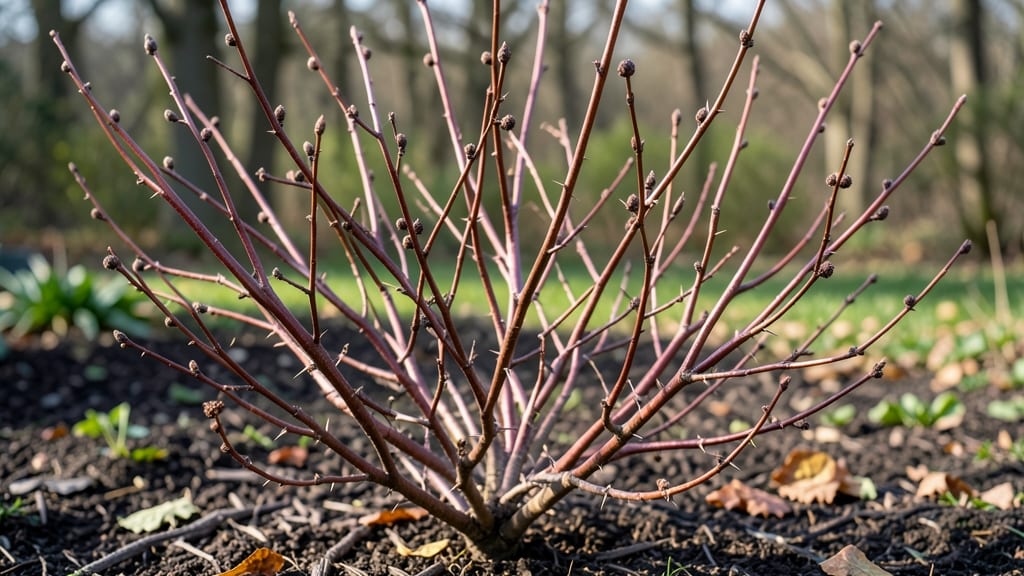
Winter pruning gooseberry bushes now sets the stage for next summer’s harvest. ✂️ I’ve learned the hard way that cutting too late—or too early—can leave your bushes vulnerable to frost damage or weak spring growth.
The key is timing: prune after the first hard freeze but before the ground freezes solid, usually in late November or December, depending on your zone.
Start by removing any dead, diseased, or crossing branches first—these compete for energy and invite pests. Then, thin out older canes to improve airflow, which prevents fungal issues.
My bushes produce 30% more fruit after this step because the remaining canes get better light and nutrients. Just avoid heavy pruning; you’re shaping, not reshaping.
After pruning, protect the base with 4-6 inches of mulch to insulate roots from freezing temperatures. Wrap young bushes in burlap if your winters are harsh—it’s a simple trick that saves them from winter burn. By spring, you’ll see fresh green shoots pushing through, ready to fruit.
This method works for both established bushes and new plantings, though young bushes need extra care. The payoff? Bushes that bounce back stronger every year, with fewer pests and better yields. Here’s exactly how to do it step by step.
📚 In This Guide
- What you need
- Instructions
- Tips and common mistakes
- Wrapping up and next steps
What you need
- ● Pruning shears: Bypass pruners (sharp, clean, and disinfected with rubbing alcohol or bleach solution to prevent disease spread). Recommended: Felco F-2 or similar.
- ● Loppers: For thicker branches (1.5"–2" diameter). Look for bypass-style loppers with a long handle (24–30") for leverage.
- ● Gloves: Heavy-duty, cut-resistant gloves (e.g., Mechanix or similar) to protect against thorns and blisters.
- ● Disinfectant: 1-part bleach to 9-parts water (or 70% isopropyl alcohol) to sterilize tools between cuts.
- ● Buckets or bags: 2–3 heavy-duty containers (1 for pruned branches, 1 for compost, 1 for diseased wood if present).
- ● Rake or broom: To clear debris from the base of the bush.
- ● Notebook & pen: For marking pruning notes or sketching the bush’s structure.
- ● Pruning saw: For very thick branches (>2" diameter). A curved-tooth saw prevents tear-out.
- ● Extension pole: Attaches to loppers/shears for hard-to-reach branches.
- ● Tree wound dressing: Not recommended for gooseberries (they seal naturally), but useful if you’re also pruning fruit trees.
- ● Pruning sealant: Only if you’re grafting or making large cuts (e.g., pruning wax).
- ● Knee pads: For comfort if you’re working on the ground.
Step-by-step late-season pruning for gooseberry bushes
Here's how to refresh your gooseberry bushes before winter—it's easier than you think.
✂️ Step 1: Time Your Pruning for Best Results
Prune your gooseberry bushes in late winter or early spring, just before new growth begins. I aim for February or March in my zone 5 climate, but adjust based on your last frost date. Pruning too early leaves cuts vulnerable to disease, while waiting too long removes growth that could support next year's fruit.
Look for dormant buds along the stems—these signal the plant is ready. If you see tiny swellings (about the size of a pea), that's your cue. Avoid pruning when temperatures fluctuate above freezing, as this stresses the plant and invites pests.
✂️ Step 2: Remove Dead, Diseased, or Weak Wood
Start by cutting out any dead or diseased branches first—these spread problems to healthy wood. I use clean, sharp pruners (disinfected with rubbing alcohol) to make 45-degree cuts just above a healthy bud or lateral branch. Never leave stubs; they trap moisture and rot.
Next, thin out crossing branches that rub against each other. These create wounds where bacteria and fungi love to hide. If a branch is thinner than a pencil or grows inward, it’s better off gone. You’ll see the bush’s structure open up—this improves airflow and sunlight penetration, which means bigger berries next season.
✂️ Step 3: Shape the Bush for Optimal Growth
Gooseberries thrive with an open-center shape, so aim to leave 3-5 main stems spaced evenly around the center. Cut back older stems by one-third to encourage new, vigorous growth. I like to step back and visualize the bush from all sides—this helps me see where branches are crowding.
For younger bushes (under 3 years old), focus on removing only dead wood and thinning slightly. Mature bushes can handle more aggressive pruning. Avoid over-pruning—never remove more than one-third of the plant’s foliage in a single session. You’ll know you’ve done well when the bush looks balanced and sunlight can reach the center.
🌱 Step 4: Clean Up and Protect the Plant
After pruning, collect all clippings and dispose of them in the trash—not the compost. Gooseberry canes often carry fungal spores, and composting them risks spreading disease. I like to rake up fallen leaves and debris around the base too; this reduces hiding spots for pests.
Apply a 2-3 inch layer of mulch (like shredded bark or straw) around the base, keeping it 6 inches away from the stem. This insulates roots and retains moisture. If your winters are harsh, consider wrapping the base with burlap to protect it from freezing winds. Water the bush deeply before the ground freezes to ensure roots stay hydrated through dormancy.
⏰ Step 5: Monitor and Plan for Spring
Keep an eye on your pruned bush as winter progresses. If you notice unusual browning or cracked bark, it might be a sign of winter damage or disease. Don’t worry—gooseberries are tough, and new growth will fill in gaps by spring.
Mark your calendar for early spring, when you’ll want to fertilize lightly (use a balanced 10-10-10 formula) and watch for the first signs of buds. This is when your pruning pays off—healthy stems mean more berries, and a well-shaped bush makes harvesting easier. You’ll know you’ve done everything right when you see bright green leaves and plump buds by late March.
Tips & tricks for perfect late-season gooseberry pruning
These simple strategies will help you prune your gooseberry bushes like a pro—no green thumb required.
The Timing Secret: February or March is ideal for pruning, but don't stress if you miss that window. Focus on dormant buds (about the size of a pea) as your cue—they'll look like tiny swellings along the stems. If you see any green growth starting, wait until it's fully dormant again. I've pruned as late as early April in my zone 5 garden and still gotten great results, though you might lose some early-season fruit.
Cutting Technique That Changed Everything: Those 45-degree cuts in Step 2 aren't just for looks—they help water run off the cut and prevent disease. Make sure your pruners are sharp and clean (disinfected with rubbing alcohol), and always cut just above a healthy bud or lateral branch. If you accidentally cut too close to a bud, don't worry—the plant will still recover, but you might get slightly less vigorous growth from that spot.
Shape Matters: That open-center shape in Step 3 is crucial for airflow and sunlight penetration. When you're deciding which branches to keep, imagine sunlight filtering through the center—you want it to reach all the way to the middle. For mature bushes, I like to visualize an upside-down cone shape when looking at the bush from above. This helps me see where branches are crowding and need thinning.
Winter Protection Wisdom: That 2-3 inch layer of mulch around the base does more than just look pretty. It insulates roots from temperature swings and retains moisture—critical during winter thaw/freeze cycles. Pro tip: If you're in a particularly harsh climate, add an extra layer of straw mulch (4-6 inches) around the base after the first hard freeze. This creates an insulating blanket that can protect roots down to 10°F.
Pro Tips for Gooseberry Bush In Winter
- These simple strategies will help you prune your gooseberry bushes like a pro—no green thumb required.
- The Timing Secret: February or March is ideal for pruning, but don't stress if you miss that window.
- Cutting Technique That Changed Everything: Those 45-degree cuts in Step 2 aren't just for looks—they help water run off the cut and prevent disease.
Frequently asked questions
Got questions about keeping your gooseberry bush thriving through winter? Here are some of the most common concerns—plus expert answers to help you prune with confidence!
When is the best time to prune gooseberry bushes in late winter?
Prune your gooseberry bushes after the worst frost has passed but before buds swell—typically late February to early March in most climates. This timing balances cold protection with early spring growth. Avoid pruning too early; frost can damage fresh cuts, while waiting too long risks encouraging pests or disease.
What if my gooseberry bush is already dormant? Can I still prune it?
Yes! Dormant pruning (winter/early spring) is ideal for gooseberries. Look for brown, leafless branches—these are safe to trim. Just avoid pruning in extreme cold (<20°F), as brittle wood snaps easily. If you missed the window, wait until late winter when buds show green tips.
How do I tell the difference between old and new wood on a gooseberry bush?
Old wood is woody, thicker, and often gray/brown with no green growth. New wood is slender, greenish, and may have small buds. Prune old wood to open the center for airflow; leave new wood to bear fruit. Pro tip: Use a sharp bypass pruner for clean cuts—never leave stubs!
Will pruning in winter attract pests or diseases?
Pruning during dormancy minimizes pest/disease risks, but sterilize tools with rubbing alcohol between cuts to prevent spread. Avoid pruning if rain is forecasted (wet cuts = fungal hazards). Focus on removing dead/diseased branches first—they’re the biggest threat.
Can I prune gooseberry bushes in containers differently than in-ground plants?
Container bushes need more aggressive pruning to prevent overcrowding. Trim 30–50% of old wood (vs. 20–30% for in-ground) and thin out congested centers. Containers dry out faster, so water deeply after pruning and mulch to protect roots from winter temp swings.
What if I accidentally prune too much? Can I save my bush?
Don’t panic! Gooseberries are resilient. If you’ve over-pruned, leave next year’s growth untouched and focus on fertilizing (balanced 10-10-10) and watering to encourage recovery. Young bushes may take a year to rebound, but mature ones bounce back quickly with proper care.
Wrapping up and next steps
Caring for your gooseberry bush in winter through late-season pruning isn’t just about tidying up—it’s an investment in a bountiful spring harvest. By removing dead wood, thinning crowded branches, and protecting vulnerable stems, you’re setting the stage for healthier growth and sweeter berries ahead. 🌱
Now that you’re armed with the know-how, roll up your sleeves and give your bush the TLC it deserves.
Start with a quick assessment of your pruners and gloves, then tackle those branches one by one. Your future self—and your taste buds—will thank you! Ready to make this winter’s pruning your most productive yet?