
Pests and Diseases
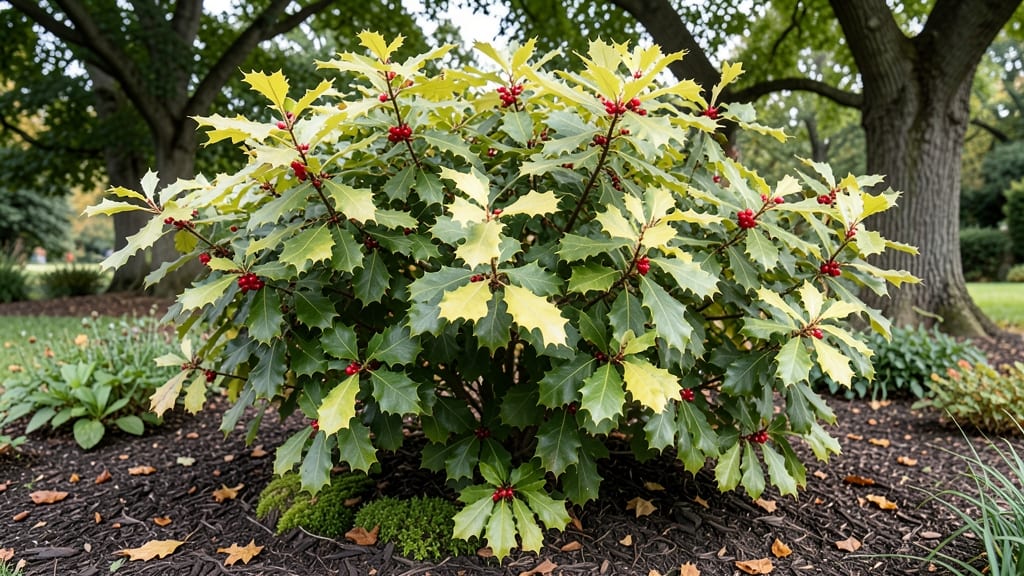
My holly bushes went from glossy green to sickly yellow overnight—turns out, fungal blight was the culprit. 🌿 The moment I spotted those telltale yellow patches, I knew it wasn’t just a nutrient issue or thirsty roots.
Copper spray became my secret weapon, and within weeks, the leaves perked right back up.
Most people assume yellowing holly means overwatering or poor soil, but fungal diseases like anthracnose or leaf spot are the real villains. They thrive in damp, shady conditions, turning vibrant foliage into a sad, yellow mess.
The good news? Copper spray disrupts fungal growth without harming your plants—just mix it right and apply it at the first sign of trouble.
You’ll see new growth within 2-3 weeks, with leaves regaining their deep green color and glossy sheen. The key is consistency: spray every 7-10 days during wet seasons, and prune out infected branches to stop the spread. Your holly will bounce back stronger than ever.
Works for all holly varieties, whether you’re dealing with glossy leaves or variegated types. Here’s how to tackle it step by step—no more guessing games with your bushes.
Root Causes Behind Yellowing Holly
When your holly bush starts turning yellow, it’s rarely a sign of good news—but understanding the why behind it is the first step to revival. Holly bushes (Ilex spp.) are tough plants, but they’re not immune to stress, disease, or environmental factors.
Below, we break down the most common culprits, from soil issues to fungal invaders, with clear explanations of how they trigger yellowing leaves.
Yellowing holly leaves often signal a nutrient imbalance, particularly deficiencies in nitrogen, iron, or magnesium. Since holly bushes thrive in well-draining, acidic soil (pH 4.5–6.0), poor soil health can quickly turn foliage pale or yellow.
- Nitrogen deficiency (chlorosis): Leaves may turn uniformly yellow while veins stay green. This happens when soil lacks organic matter or nitrogen-rich fertilizers. Holly bushes are heavy feeders, especially in spring and fall.
- Iron or magnesium deficiency (interveinal chlorosis): Yellowing appears between veins (a classic sign of iron deficiency) or as yellow patches on older leaves (magnesium deficiency). Compacted or alkaline soil locks out these nutrients, even if they’re present.
- Over- or under-watering: Too much water leads to root suffocation and nutrient washout, while drought stress forces the bush to conserve resources, causing yellowing.
💡 Pro Tip: Test your soil’s pH and nutrient levels with a DIY kit. If pH is above 6.5, amend with sulfur or peat moss. For deficiencies, use a slow-release, acidic fertilizer (like 10-10-10 or a holly-specific blend) in early spring.
Fungal infections are a top reason holly bushes yellow and decline, often starting as spots or lesions before spreading. The most aggressive culprits include:
- Anthracnose (🔥 Colletotrichum spp.): Causes dark, sunken spots with yellow halos. Thrives in wet, humid conditions (like spring rains) and can defoliate bushes if untreated.
- Leaf Spot (e.g., Septoria or Cercospora): Yellow or brown spots with feathery edges appear, often with black fruiting bodies. Spreads via splashing water or infected pruners.
- Root Rot (Phytophthora or Pythium): Yellowing starts at the bottom of the bush and spreads upward as roots decay in waterlogged soil. Foul-smelling, mushy roots confirm the issue.
🔥 Key Clue: If yellowing is paired with dark spots, wilting, or premature leaf drop, fungi are likely the culprit. Copper fungicides (like copper sulfate or copper hydroxide) are the gold standard for prevention and treatment—spray in early spring before fungal spores activate.
While holly bushes are deterrent to many pests, a few insects can still wreak havoc, causing yellowing through direct damage or toxin injection. Watch for:
- Spider Mites: Tiny, web-spinning pests that skeletonize leaves (leaving yellowed, fragile tissue). They thrive in dry, hot conditions and inject toxins that cause chlorosis.
- Scale Insects: These armored sap-suckers cluster on stems/leaves, draining nutrients and leaving sticky honeydew (which attracts sooty mold, a black fungal film). Infested leaves yellow and drop.
- Holly Leafminers: Larvae tunnel inside leaves, creating blistered, yellow trails. Severe infestations cause premature leaf fall.
🌡️ Prevention Tip: Water deeply during droughts to deter mites, and prune out infested branches (dispose of them in sealed bags). For scale, use horticultural oil or neem oil in late winter. Leafminers respond to Bacillus thuringiensis (Bt) sprays.
Holly bushes are adaptable, but extreme conditions can trigger yellowing as a stress response. Common triggers include:
| Stressor | Symptoms | Solution |
|---|---|---|
| 🔥 Heat Stress | Leaves turn yellow or brown at the edges (scorch) or crispy in full sun. New growth may be stunted. | Provide afternoon shade (especially for Ilex crenata or Ilex glabra). Mulch with wood chips to retain moisture. |
| ❄️ Winter Burn | Yellowing or brown patches on sun-exposed sides after cold snaps. Often seen in young holly bushes or those planted in exposed areas. | Apply a 3-inch layer of mulch in late fall. Use burlap windbreaks for newly planted bushes. |
| 💦 Poor Drainage | Yellowing starts at the base of the bush and spreads upward. Roots may smell rotten or feel mushy. | Amend soil with compost or perlite. Plant on a slight slope or in raised beds to improve drainage. |
✨ Quick Fix: If your holly is in a container, check for root-bound roots or clogged drainage holes. Repot with well-draining potting mix if needed.
Quick Fixes for Yellow Holly Leaves
Reviving your holly bush starts with identifying the root cause of its yellowing leaves—whether it’s fungal blight, nutrient deficiency, or poor drainage. Below are practical, step-by-step solutions tailored to each issue, plus prevention tips to keep your holly lush and green.
If your holly’s yellowing is caused by fungal blight (like Exobasidium or Cercospora), act fast to stop the spread.
🔥 Step 1: Apply Copper Fungicide
Copper-based sprays (like copper sulfate or copper hydroxide) are the gold standard for fungal diseases.
- When to spray: Early morning or late evening (avoid direct sunlight).
- How to apply:
- Mix 1 tablespoon of copper fungicide per gallon of water.
- Use a hose-end sprayer for even coverage (focus on undersides of leaves and stems).
- Reapply every 7–14 days until new growth appears.
- Safety tip: Wear gloves and avoid spraying on windy days to prevent drift.
👨🍳 Step 2: Prune Infected Branches
Remove yellowed, spotted, or wilted leaves and stems to prevent the fungus from spreading.
- Tools to use: Sterilize pruners with rubbing alcohol between cuts.
- How to prune:
- Cut 1–2 inches below the infected area (healthy tissue).
- Dispose of clippings in the trash (not compost).
- Thin out crowded branches to improve airflow.
🌡️ Step 3: Improve Air Circulation & Drainage
Fungal spores thrive in humid, stagnant conditions.
- Rake away mulch 6 inches from the base of the bush.
- Space plants 3–5 feet apart (if possible).
- Water at the base (avoid overhead sprinkling).
✨ Pro Tip: After treatment, apply a 2–3 inch layer of organic mulch (like pine straw) to keep soil moist but not soggy.
Yellowing holly leaves can signal iron, nitrogen, or magnesium deficiency. A simple soil test reveals the issue.
📊 Step 1: Test Your Soil
- DIY test: Use a home soil test kit (available at garden centers).
- Lab test (more accurate): Mail a sample to a local extension office (~$15–$20).
- Look for: pH levels (ideal: 5.0–6.0 for hollies) and nutrient deficiencies.
💪 Step 2: Amend Soil Based on Results
| Deficiency | Symptoms | Solution |
|---|---|---|
| Iron (Chlorosis) | Yellow leaves with green veins | Apply chelated iron (like Iron Chelate) or sulfur to lower pH. |
| Nitrogen | Overall yellowing, poor growth | Use a balanced fertilizer (10-10-10) or compost in early spring. |
| Magnesium | Yellow patches between veins | Sprinkle Epsom salt (1 tbsp per gallon of water) every 2 weeks. |
🍎 Step 3: Feed Regularly
- Spring (March–April): Apply a slow-release granular fertilizer.
- Fall (September): Top-dress with compost or aged manure for winter resilience.
💡 Pro Tip: If your soil is too alkaline, mix in peat moss or pine needles to acidify it gradually.
Yellow leaves can also mean root rot from soggy soil. Hollies prefer well-draining conditions.
🔪 Step 1: Check Drainage
- Dig a small hole near the bush—if water pools after 30 minutes, drainage is poor.
- Solution:
- Amend soil with perlite, sand, or compost to improve aeration.
- Plant in a raised bed if your yard is naturally compacted.
⏰ Step 2: Adjust Watering Habits
- Water deeply but infrequently (1–1.5 inches per week).
- Avoid wet foliage (water at the base, not overhead).
- Use a moisture meter to check soil—holly roots prefer slightly dry conditions.
🎯 Pro Tip: If repotting, choose a pot with drainage holes and use a mix of potting soil + orchid bark for better airflow.
Once your holly is back on track, keep it thriving with these long-term strategies:
✅ Mulch properly: Use 2–3 inches of mulch, but keep it 6 inches away from the trunk to prevent rot. ✅ Monitor for pests: Watch for scale insects or spider mites (they weaken plants, making them prone to disease). ✅ Prune in late winter: Remove dead or crossing branches to improve airflow. ✅ Fertilize seasonally: Spring (growth phase) and fall (root strengthening) are key. ✅ Choose disease-resistant varieties: If fungal blight is recurrent, opt for ‘Nellie R. Stevens’ or ‘Sky Pencil’ hollies.
By tackling the root cause—whether it’s fungus, nutrients, or water—your holly should bounce back with vibrant green leaves in just a few weeks. Stay consistent with care, and your bush will reward you with lush foliage and berries for years to come!
Frequently asked questions
Why are my holly bush leaves turning yellow only on the bottom?
Yellowing at the bottom is often a sign of root rot or poor drainage. When roots sit in soggy soil for too long, they suffocate and can't absorb nutrients, causing the oldest leaves to yellow first. Check for mushy, foul-smelling roots and improve drainage by amending soil with perlite or planting on a slight slope.
Can I save my holly bush if it's already mostly yellow?
Yes! Start by identifying the cause (fungus, pests, or nutrient issues) and act fast. For fungal diseases, apply copper fungicide every 7-10 days while pruning infected branches. If it's nutrient-related, amend soil with compost or chelated iron. With consistent care, new green growth should appear within 2-4 weeks.
Is yellow holly foliage safe for birds if it's diseased?
While holly berries are safe for birds, diseased leaves (especially those with fungal spots) may contain spores that could harm birds if ingested in large quantities. Prune and remove infected foliage before birds feed on berries. Always prioritize treating the bush first to ensure safe, healthy berries for wildlife.
How often should I fertilize my holly bush to prevent yellowing?
Feed holly bushes twice a year: once in early spring (March-April) with a balanced fertilizer (10-10-10), and again in fall (September) with compost or aged manure. Over-fertilizing can burn roots, so follow package instructions and water thoroughly after application.
Will pruning yellow leaves help my holly recover faster?
Yes! Pruning removes diseased or dying foliage, which helps the bush redirect energy to healthy growth. Cut back 1-2 inches below yellowed areas and dispose of clippings in the trash (not compost). This improves airflow and prevents fungal spread. Just avoid heavy pruning during winter when the bush is dormant.