
Pruning
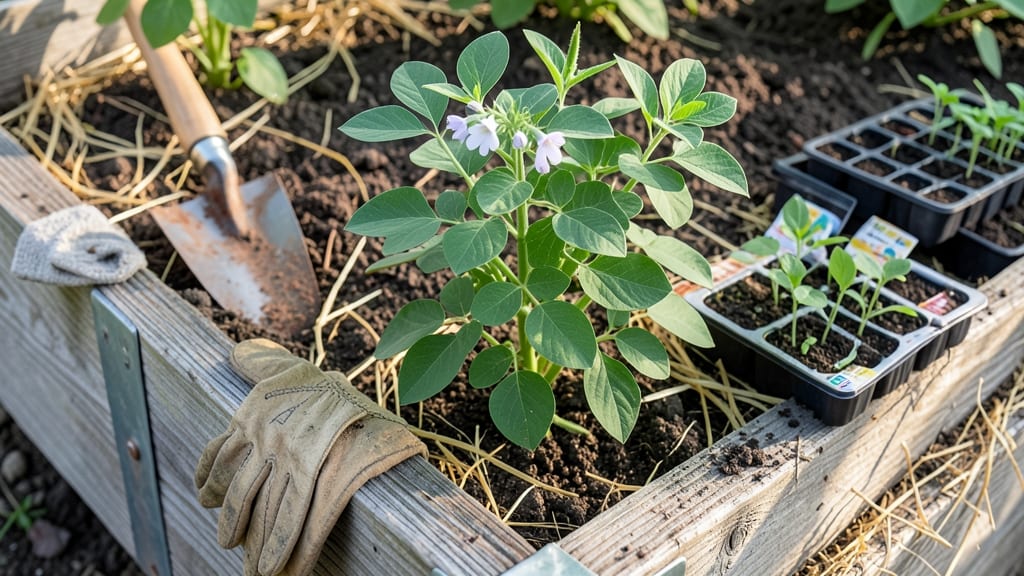
Planting bush beans in raised beds gives you a 60-day harvest with minimal fuss—no waiting months for vining varieties to climb. 🌱 I learned the hard way that proper spacing and soil prep make all the difference between scraggly plants and bushels of tender pods. The secret?
Loose, warm soil and a little shade during peak afternoon heat. Start with a 3-inch layer of compost mixed into the top 6 inches of your raised bed soil. Bush beans need well-draining conditions—they hate soggy roots—and a slightly acidic to neutral pH (6.0-7.0).
Plant seeds 1 inch deep, 3-4 inches apart in rows spaced 18 inches apart. This gives them room to bush out without competing for sunlight. By day 10, you’ll spot those first true leaves—tiny but determined.
Keep the soil consistently moist (not soggy) and watch for white flowers in 3-4 weeks. That’s when the magic happens: pods form within 7-10 days of pollination.
A 5-foot-tall trellis in the bed’s center can support vining varieties if you ever want to experiment, but bush beans thrive just as well sprawled. The real payoff? Harvesting every 2-3 days keeps production going strong.
Pinch off flowers on older pods to redirect energy to newer ones, and watch your yield double. Even in small raised beds, you’ll get 50+ pods per plant if you time it right—just don’t let them get fibrous!
📚 In This Guide
- What you need
- Instructions
- Tips and common mistakes
- Wrapping up and next steps
What you need
- ● Raised bed (or existing bed): At least 4 feet wide x 8 feet long (or wider for larger yields). Ensure it’s 6–12 inches deep.
- ● Bush bean seeds: 50–100 seeds (depending on bed size). Choose fast-maturing varieties like ‘Blue Lake’ or ‘Contender’ for a quick harvest.
- ● High-quality soil mix: 6–8 cubic feet of a blend with 50% compost, 30% topsoil, and 20% perlite/sand for drainage.
- ● Organic fertilizer: 1 cup of 5-10-10 or composted manure per 10 sq. ft. of bed space.
- ● Mulch (straw or shredded leaves): 1–2 inches to retain moisture and suppress weeds.
- ● Drip irrigation or watering can: For consistent moisture without overwatering.
- ● Garden trowel or transplanting tool: For digging seed holes (1 inch deep).
- ● Gloves: To protect your hands while handling soil and seeds.
- ● Measuring tape or ruler: To space seeds 3–4 inches apart in rows 18–24 inches apart.
- ○ Optional but helpful: Seedling heat mat (if starting indoors)
- ● Row covers (to protect from pests)
- ● Stakes or trellis (if growing taller varieties)
- ● Sunlight: Full sun (6–8 hours/day)—bush beans are sun-worshippers!
- ● Soil temperature: At least 60°F (15°C)—wait until after the last frost.
- ● pH level: 6.0–7.0 (test or amend with lime if needed).
- ● Drainage: Raised beds must have drainage holes to prevent waterlogging.
Step-by-step instructions for planting bush beans in raised beds
Here's how to get your bush beans thriving in just 60 days—no waiting around for slow growers.
🌱 Step 1: Prepare Your Raised Bed Soil
Bush beans need loose, well-draining soil to grow quickly. Start by removing any weeds or debris from your 4-foot by 8-foot raised bed (standard size for 4 plants). Work in 2-3 inches of compost into the top 6 inches of soil—this improves drainage and provides nutrients without compacting the bed.
Test the soil moisture by squeezing a handful—it should hold together but not be soggy. If it feels dry, water lightly until the top 2 inches are damp. Bush beans hate soggy roots, so avoid overwatering at this stage. A soil thermometer confirms ideal planting temps: 60-85°F is perfect for germination.
🌱 Step 2: Plant Seeds at the Right Depth and Spacing
Drop 4-5 seeds per plant (you'll thin later) into the soil, placing them 1 inch deep and 3-4 inches apart in rows spaced 12-18 inches apart. I use my finger to make small holes—this prevents overplanting and ensures even spacing. Press the soil gently around each seed to secure it without burying it too deep.
Here's the thing—bush beans germinate fastest in warm soil. If your spring is cool, cover the bed with black plastic mulch for 1-2 weeks before planting to warm the soil. Remove it right before planting so seeds aren't smothered. Water the bed lightly after planting to settle the soil around the seeds.
💧 Step 3: Water Consistently Until Germination
Keep the soil evenly moist (not soggy) until germination, which takes 7-14 days depending on temperature. I use a spray bottle for the first few days to avoid disturbing seeds. You'll know moisture is right when the soil surface looks slightly damp but not glistening.
Once seedlings emerge, reduce watering slightly—overwatering now can cause damping-off, a fungal disease that collapses stems overnight. Instead, water deeply every 2-3 days when the top 1 inch of soil feels dry. Bush beans are drought-tolerant once established, but young plants need steady moisture.
☀️ Step 4: Thin Seedlings and Provide Support
When seedlings reach 2-3 inches tall (about 10-14 days after planting), thin to the strongest plant per spot, leaving 4 inches between plants. Use scissors to snip weak seedlings at soil level—this prevents disturbing roots of the ones you keep. You'll end up with 4-5 healthy plants in your bed.
Bush beans don’t need trellises, but if your bed gets windy, add low stakes or cages (4 inches tall) to prevent sprawling. I tie plants loosely with twine at the base—just enough to guide growth without restricting it. Watch for first true leaves (the second set after the initial seed leaves)—this is your signal to start fertilizing lightly with balanced 10-10-10 at half strength.
⏰ Step 5: Maintain for a Fast Harvest
Bush beans mature in 60 days, so focus on consistent watering (1 inch per week) and weekly harvesting to encourage more pods. Pick beans when they’re 4-6 inches long and firm—this keeps plants productive. I harvest every 2-3 days in peak season; any delay slows new growth.
Real talk: If leaves yellow or pods shrivel, you’re either underwatering or overwatering. Bush beans are tough, but they need steady moisture, not soggy soil. Mulch with straw to retain moisture and suppress weeds—this saves time and keeps roots cool. With this care, you’ll have a steady harvest for 3-4 weeks before the plants finish.
Tips & tricks for perfect bush bean planting in raised beds
Want to grow bush beans faster than ever? These practical tips will help you avoid common pitfalls and maximize your 60-day harvest.
Soil Temperature Secret: The 60-85°F range is critical for germination, but don't just guess—use a soil thermometer. If your soil is cooler than 60°F, those seeds will sit there waiting forever. I've seen germination times stretch to 3 weeks in cool soils, but with proper warmth, you'll see sprouts in just 7 days. For extra warmth, try covering your bed with clear plastic wrap for a few hours before planting to raise the temperature quickly.
Planting Precision: Those 1-inch deep seeds need perfect placement—too shallow and they'll dry out, too deep and they'll struggle to emerge. I make small holes with my finger, then drop seeds in gently. Here's my trick: after planting, I lightly water with a spray bottle until the soil surface looks slightly darker. This helps settle seeds without disturbing them, giving you better germination rates.
Germination Watch: The 7-14 day germination window can be nerve-wracking, but consistency is key. After planting, I mark the bed with small sticks to track where seeds went. If no sprouts appear after 14 days, gently dig to check for seeds—sometimes they didn't make it. And remember, damp (not soggy) soil is your goal during this period. You can test by squeezing a handful—it should hold together but not drip water.
Thinning Strategy: When those seedlings reach 2-3 inches tall (around 10-14 days), thinning becomes crucial. I use clean scissors to snip weak plants at soil level rather than pulling them out—this prevents disturbing roots of the plants I want to keep. The goal is 4 inches between remaining plants. This spacing gives each plant enough room to grow strong without competing for nutrients.
Pro Tips for Planting Bush Beans In Raised Beds
- Want to grow bush beans faster than ever?
- Soil Temperature Secret: The 60-85°F range is critical for germination, but don't just guess—use a soil thermometer.
- Planting Precision: Those 1-inch deep seeds need perfect placement—too shallow and they'll dry out, too deep and they'll struggle to emerge.
Frequently asked questions
Got questions about growing bush beans in raised beds? You’re not alone! Here are answers to the most common queries to help you grow a thriving harvest with ease.
When is the best time to plant bush beans in raised beds?
Bush beans thrive in warm soil—plant them after the last frost when temperatures consistently stay above 50°F (10°C). For most U.S. regions, this means late spring to early summer. If your summers are scorching, opt for heat-tolerant varieties like ‘Blue Lake’ or ‘Contender’ to avoid wilting.
How often should I water bush beans in raised beds?
Keep soil consistently moist but not soggy—water deeply 1–2 times per week, more often in extreme heat. Raised beds dry out faster, so check moisture daily during dry spells. Mulch with straw to retain moisture and reduce weeds. Overwatering? Yellow leaves may signal root rot—adjust and improve drainage if needed.
What pests should I watch for, and how do I prevent them?
Common pests include bean beetles, aphids, and slugs. Prevent issues with row covers (for early planting) or neem oil sprays. Interplant with marigolds or nasturtiums to deter pests naturally. If you spot holes in leaves, handpick beetles or use soapy water sprays for aphids. Rotate crops yearly to break pest cycles.
Can I grow bush beans in raised beds year-round?
Bush beans are warm-season crops and won’t survive frost. However, in mild climates (Zones 9–11), you can plant fall/winter varieties like ‘Christmas’ or ‘Wax’ for harvests in cooler months. Use black plastic mulch to extend the season. In colder regions, stick to one spring/early summer planting and save seeds for next year!
What can I plant after bush beans in raised beds?
Bush beans are light feeders, so follow them with heavy nitrogen users like corn, potatoes, or leafy greens (spinach, kale). Avoid planting other beans or peas in the same bed to prevent soil-borne diseases. Cover crops like clover can replenish nitrogen if you’re taking a break between plantings.
Wrapping up and next steps
Planting bush beans in raised beds is a rewarding way to enjoy a fast, flavorful harvest with minimal space and effort! 🌱 With the right soil, spacing, and care, you’ll be savoring fresh beans in just 60 days—perfect for beginners and seasoned gardeners alike.
Now that you’re armed with tips and answers to common questions, it’s time to roll up your sleeves and get growing!
Your next step? Mark your calendar for planting, prep your raised beds, and watch your garden transform into a bean bonanza. Happy gardening—your taste buds (and dinner plate) will thank you! 🌟