
Shrubs
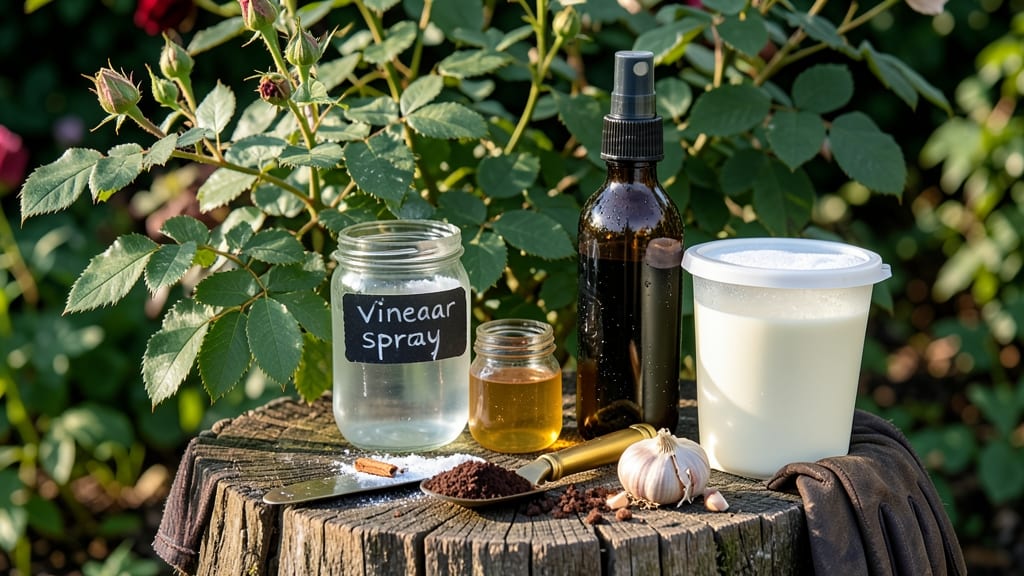
My roses looked like they’d given up—black spots eating the leaves, aphids sucking the life out of new buds—until I discovered these home remedies for rose bushes that actually work. 🌿 No harsh chemicals, just kitchen staples and a little elbow grease.
The first spray I made stopped the aphids in their tracks, and the baking soda mix cleared up black spot faster than I expected.
The beauty of these fixes is that they’re cheap, easy, and safe for your garden (and your kids’ pets). You’ll need a few basic ingredients—like neem oil, garlic, and dish soap—but nothing you can’t find at the grocery store.
Most remedies take 10 minutes to mix and can be applied right away, with results showing within days. The key is consistency: treat early, and your roses will bounce back stronger than ever.
By the end of summer, your bushes will be bursting with blooms, not just surviving. The garlic spray deters pests for weeks, the neem oil prevents fungal spores from taking hold, and the soil amendments feed roots so they can fight off stress.
No more wilting, no more spots—just healthy, thriving roses that make your neighbors jealous.
Works for black spot, powdery mildew, aphids, and even rose slugs, so you won’t need to buy separate treatments. The best part? These remedies build soil health over time, making your roses even more resilient next season. Let’s get those bushes back in fighting shape—naturally.
📚 In This Guide
- What you need
- Instructions
- Tips and common mistakes
- Wrapping up and next steps
What you need
- ● Pruning shears or secateurs: Sharp, clean tools (sterilized with rubbing alcohol) for trimming diseased or pest-infested branches.
- ● Garden hose or watering can: For thorough rinsing or diluting remedies (aim for a gentle spray nozzle).
- ● Spray bottle (16 oz or larger): For targeted application of liquid remedies (e.g., neem oil or soapy water).
- ● Gloves (nitrile or rubber): Protect your hands from sap, pesticides, or irritants (e.g., garlic or chili sprays).
- ● Organic matter: Compost or well-rotted manure (1-2 gallons): Boosts soil health and immunity.
- ● Crushed eggshells (½ cup): Adds calcium to prevent fungal diseases.
- ● Natural pest/disease fighters: Neem oil (1 tbsp per quart of water): Fungal/bacterial control and pest deterrent.
- ● Dish soap (1 tsp mild, unscented per gallon of water): Breaks down insect shells (e.g., aphids).
- ● Garlic or chili pepper (blended, 1 cup per gallon): Homemade repellent for soft-bodied pests.
- ● Garden sprayer (2-3 gallon capacity): For larger rose bushes or heavy infestations.
- ● Trowel or small shovel: For gently loosening soil around roots (if treating root issues).
- ● Fine mesh strainer: Filters homemade sprays (e.g., garlic or chili blends) for smoother application.
- ● Plastic or glass containers (quart-sized): For mixing remedies (avoid metal to prevent reactions).
- ● Labeling tags: Mark containers with dates and remedy types to stay organized!
Step-by-Step natural solutions for revitalizing rose bushes
Here’s how I’ve kept my roses thriving using simple, plant-safe remedies that work in just days.
🌿 Step 1: Identify the Problem Before Treating
First, inspect your rose bush closely. Look for yellowing leaves (often a sign of aphids or fungal issues), black spots (common with black spot disease), or chewed foliage (likely Japanese beetles or slugs). I like to examine both the top and undersides of leaves—pests often hide there.
Run your fingers gently over the stems and leaves. You’ll feel tiny bumps or sticky residue if aphids or spider mites are present. For fungal issues, check for powdery white or dark, greasy spots. Once you’ve identified the issue, you can target the remedy—no guesswork needed.
💧 Step 2: Apply Homemade Sprays for Pests and Fungi
For aphids, spider mites, or whiteflies, mix 1 tablespoon of mild liquid dish soap (like Castile soap) with 1 quart of water in a spray bottle. Shake well and apply to the undersides of leaves where pests hide. Test on a small area first—some roses are sensitive to soap.
For fungal diseases like black spot or powdery mildew, spray with a 1:10 dilution of hydrogen peroxide (3% solution) and water. Add a few drops of dish soap to help it stick. Spray thoroughly, including the soil around the base—fungi often start there. Do this in the early morning so the leaves dry quickly and prevent further spread.
☀️ Step 3: Strengthen the Plant’s Natural Defenses
Boost your rose bush’s resilience by fertilizing with compost tea (1 cup compost steeped in 5 gallons of water for 24 hours, then strained). Water the base of the plant with this mixture every 2 weeks during the growing season. It introduces beneficial microbes that help the plant fight off pests and diseases naturally.
For extra protection, sprinkle crushed eggshells around the base of the plant. The sharp edges deter slugs and snails, while the calcium strengthens cell walls. I save eggshells from my kitchen, bake them to kill bacteria, then crush them into tiny pieces—no waste, just free protection.
✂️ Step 4: Prune and Clean Up for Long-Term Health
Use sterilized pruners (wipe with rubbing alcohol between cuts) to remove dead, diseased, or crowded branches. Cut just above an outward-facing bud to encourage healthy growth. Dispose of infected branches in the trash—never compost diseased plant material—to prevent reinfection.
After pruning, rake up and discard fallen leaves and debris from around the base. This removes hiding spots for pests and fungal spores. I also like to mulch with 2-3 inches of shredded bark to keep the soil moist and suppress weeds, which can harbor pests.
🌱 Step 5: Prevent Future Issues with Regular Care
Water your roses deeply once a week (or more in extreme heat) to encourage strong root growth. Avoid wetting the leaves—this reduces fungal risks. I water in the early morning so foliage dries quickly, and I use a soaker hose to keep water at the roots.
Finally, plant companion flowers like marigolds or nasturtiums nearby. These act as natural pest repellents and attract beneficial insects like ladybugs and lacewings, which prey on aphids and mites. A little prevention goes a long way—my roses stay healthier with minimal effort.
Tips & tricks for natural rose bush care
These simple strategies will help you keep your roses thriving without harsh chemicals—just like my garden does every season.
Diagnosis is Key: In Step 1, when you're inspecting your roses, pay special attention to the leaf veins. If you see yellowing that starts between the veins, it's likely a fungal issue. If the yellowing is more uniform, it might be an aphid problem. This helps you target the right remedy from the start—no wasted effort on the wrong treatment.
Soap Solution Safety: When making the dish soap spray in Step 2, always use a mild liquid dish soap like Castile soap. Harsh detergents can damage your roses' delicate leaves. I've ruined leaves before using regular dish soap—trust me, it's worth the extra dollar for the gentle version. Also, shake the mixture well before each use to ensure the soap is evenly distributed.
Compost Tea Timing: The 24-hour steeping time for compost tea in Step 3 is crucial. This gives the beneficial microbes time to multiply and become active. I like to make a big batch on Sunday nights so it's ready to use on Monday mornings. If you're short on time, you can steep for just 12 hours, but the flavor and microbial activity won't be as strong.
Pruning Precision: When pruning in Step 4, make your cuts at a 45-degree angle just above an outward-facing bud. This encourages new growth in the right direction and prevents water from pooling on the cut, which can lead to disease. I always sterilize my pruners between cuts to prevent spreading any potential infections.
Pro Tips for Home Remedies For Rose Bushes
- These simple strategies will help you keep your roses thriving without harsh chemicals—just like my garden does every season.
- Diagnosis is Key: In Step 1, when you're inspecting your roses, pay special attention to the leaf veins.
- Soap Solution Safety: When making the dish soap spray in Step 2, always use a mild liquid dish soap like Castile soap.
Frequently asked questions
Got questions about keeping your rose bushes thriving with natural care? Here are some of the most common concerns—and easy answers—from gardeners just like you!
Can I use coffee grounds as a home remedy for rose bushes?
Coffee grounds are a fantastic nitrogen-rich fertilizer that improves soil health and deters pests like slugs. Simply sprinkle used grounds around the base of your rose bushes (about ½ cup per plant) and lightly scratch them into the topsoil. For best results, do this in early spring or after pruning. Just avoid overdoing it—too much can make the soil too acidic.
When is the best time to apply home remedies to my roses?
Timing matters! Apply preventative remedies (like neem oil or garlic spray) early in the season (spring) to protect against pests and diseases before they appear. For treatment, act at the first sign of trouble—whether it’s black spots, aphids, or powdery mildew. Evening applications work best to avoid burning plants in direct sunlight. Always water the soil (not the leaves) after applying remedies to help them absorb.
Are there any home remedies to keep deer away from my rose bushes?
Deer love roses, but a few natural deterrents can save your bushes! Try planting deer-resistant companions like lavender, rosemary, or marigolds nearby. You can also create a homemade deer spray by mixing 1 part hot pepper sauce + 1 part water + 1 tsp dish soap, then spraying it around the base and leaves. Reapply after rain. For extra protection, wrap young bushes in chicken wire or use deer-proof fencing.
My rose leaves are turning yellow—what’s the fix?
Yellow leaves usually signal overwatering, nutrient deficiency, or fungal issues. First, check the soil—it should be moist but not soggy. If the problem persists, your roses might need iron or nitrogen. Try a homemade iron supplement by soaking a used tea bag in water for a week, then spraying it on the leaves. For fungal issues (like black spot), apply a baking soda spray (1 tbsp baking soda + 1 tsp dish soap + 1 quart water) every 2 weeks until the leaves recover.
How do I know if a home remedy is working?
Look for these signs of success:
- Pests are gone—fewer aphids, beetles, or chewed leaves within 1–2 weeks.
- New growth—healthy buds and leaves indicate your roses are absorbing nutrients.
- No new spots or mold—fewer (or fading) signs of disease.
Wrapping up and next steps
Caring for your rose bushes naturally doesn’t have to be complicated—just consistent! From neem oil sprays to homemade fungicides, these simple remedies can keep your roses thriving without harsh chemicals. 🌿 The key is observing early signs of trouble and acting fast with the right solution.
Now that you’re armed with these easy, budget-friendly fixes, why not take the next step? Pick one remedy to try this weekend—whether it’s a preventative spray or a targeted treatment. Your roses (and your garden’s beauty!) will thank you. Happy gardening! 🌸