
Size
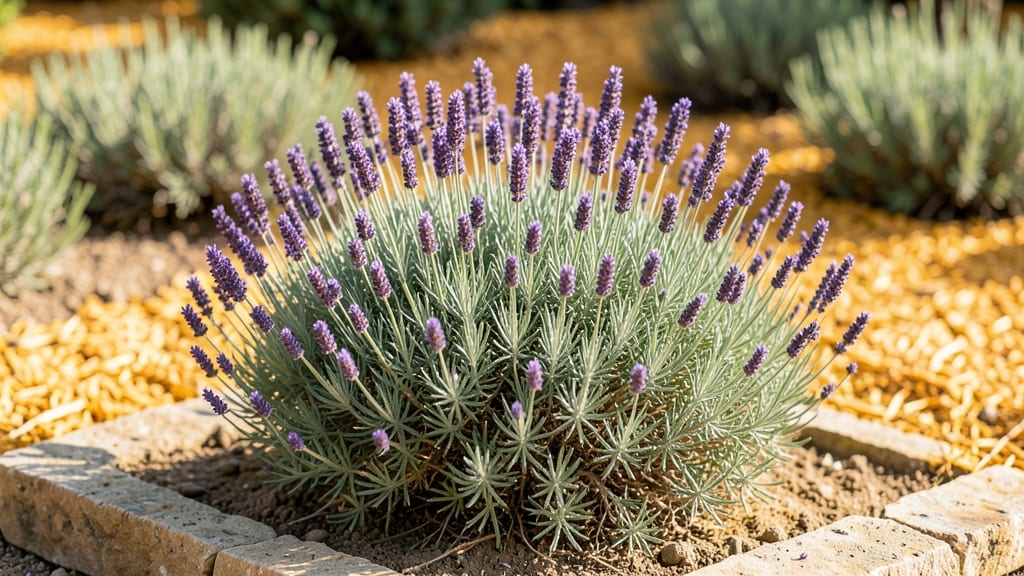
Lavender bushes grow anywhere from 1 foot to 5 feet tall, but the compact varieties you're likely planting stay between 1-3 feet—perfect for borders, containers, or small gardens. 🌿 I planted 'Munstead' last spring, and after just one season, it hit 2 feet without any pruning, filling my narrow garden bed with that signature purple haze.
The type of lavender matters most: English lavender (like 'Hidcote') stays 12-24 inches, while French lavender (like 'Grosso') can reach 3-4 feet if left unchecked. Spanish lavender ('Papillon') tops out at 4-5 feet, so choose carefully if space is tight.
Sunlight and soil drain are the real game-changers—too much shade or soggy roots will stunt growth no matter the variety. With regular pruning (just trim back 1/3 after blooming), you can keep even larger varieties in check.
My 'Grosso' now fits neatly in a 15-gallon pot on the patio, proving size isn’t destiny. The key is patience—lavender grows slowly but rewards you with years of fragrance and color.
For visual reference, imagine a standard doormat (2 feet) for dwarf varieties and a small trash can (3 feet) for mid-sized bushes. This way, you can plan your garden layout with confidence and avoid overcrowding.
📚 In This Guide
- What you need
- Instructions
- Tips and common mistakes
- Wrapping up and next steps
What you need
- ● Lavender plant(s): Choose a healthy, nursery-grown bush (1-3 feet tall, depending on variety). Pro tip: Opt for bare-root plants in early spring or potted plants year-round.
- ● Well-draining soil: 10-20 lbs of cactus/succulent mix or sandy loam soil (amend heavy clay with perlite or coarse sand).
- ● Gravel or pebbles: 5-10 lbs for creating a 3-4 inch drainage layer at the bottom of the planting hole.
- ● Garden trowel or spade: For digging holes 2-3 times wider than the root ball.
- ● Pruning shears: Sharp, sterilized shears (for shaping after planting).
- ○ Mulch (optional but recommended): Gravel or coarse bark (avoid organic mulch—it retains too much moisture).
- ● Watering can or hose with a gentle nozzle: For deep but infrequent watering (lavender hates soggy roots!).
- ● Soil pH test kit: Lavender thrives in neutral to slightly alkaline soil (pH 6.5-7.5). Adjust with lime if needed.
- ● Slow-release fertilizer: A balanced, low-nitrogen fertilizer (e.g., 5-10-10) to support growth without encouraging legginess.
- ● Plant support (for windy areas): Small stakes or rings to secure young plants until established.
- ● Compost or worm castings: 1 cup per plant mixed into the soil for extra nutrients (use sparingly—lavender prefers lean soil).
- ● Drip irrigation system: For automated, low-volume watering in larger lavender beds.
How to choose and space compact lavender varieties for small gardens
Lavender thrives in tight spaces when you pick the right dwarf varieties—here's how to plan for their mature size.
🌱 Step 1: Select Varieties Based on Mature Height
Dwarf lavender varieties stay between 1-3 feet tall at maturity, making them perfect for small gardens, containers, and borders. 'Hidcote' and 'Munstead' top out around 18-24 inches, while 'Kew Red' reaches 2-3 feet. Check the plant tag or nursery description for exact measurements—some compact types like 'Little Lady' grow only 12-15 inches tall.
Here's the thing—lavender's growth habit matters more than height alone. Look for varieties labeled "compact" or "dwarf," as these have naturally dense foliage and won't flop like taller types. Avoid "standard" lavender (like 'English Lavender'), which can grow 3-5 feet tall and overwhelm small spaces.
🪴 Step 2: Plan Spacing for Airflow and Fullness
Even compact lavender needs proper spacing to prevent disease and encourage bushiness. Space 18-24 inches apart for varieties like 'Hidcote' and 'Munstead', and 12-18 inches for true dwarf types like 'Little Lady'. This might seem tight, but lavender grows in a rounded mound rather than a tall stem.
I always plant in groups of 3-5 plants for visual impact—lavender looks best when clustered. If using containers, choose pots at least 12 inches wide to accommodate mature root systems. The key is airflow: crowded plants trap moisture and invite fungal issues, especially in humid climates.
☀️ Step 3: Site for Full Sun and Well-Draining Soil
Compact lavender still demands 6-8 hours of direct sun daily—no exceptions. Partial shade reduces fragrance and encourages leggy growth. In hot climates, afternoon shade helps prevent scorching, but morning sun is non-negotiable.
Amend heavy or clay soil with sand or gravel to improve drainage—lavender's roots rot quickly in soggy conditions. A slight mound of soil (about 2 inches high) around the base helps water run off during heavy rains. Test your soil's drainage by digging a hole, filling it with water, and checking if it drains within 30 minutes.
✂️ Step 4: Prune to Maintain Shape and Size
Pruning keeps compact lavender bushy and prevents it from outgrowing its space. Cut back one-third of the oldest growth right after flowering (usually late spring or early summer). Use clean, sharp shears and avoid cutting into woody stems—this encourages dieback.
Here's what I do: I shape the plant into a rounded dome, removing any leggy stems that spoil the compact form. Never prune in fall or winter—new growth won't harden off before cold weather. After pruning, lavender should look full but not sheared like a hedge.
⏰ Step 5: Monitor Growth and Adjust Spacing
Check your lavender's spread every 2-3 years. Even dwarf varieties can slowly expand their root zones, especially in fertile soil. If plants start touching, it's time to divide them—lavender tolerates this better than most perennials.
Divide in early spring before new growth starts. Dig up clumps, separate into 3-5 inch sections, and replant immediately. The roots are tough but brittle, so handle them carefully. You'll see immediate fullness in the new location—lavender recovers quickly from division.
Tips & tricks for perfect compact lavender planting
Between us, the difference between a thriving lavender border and a sad, leggy mess often comes down to these small but critical details.
Variety Verification: Always double-check the mature height on the plant tag before buying—some nurseries mislabel compact varieties. I've seen 'Little Lady' marketed as a 12-inch plant only to reach 18 inches in my garden. When in doubt, ask for the cultivar name and look it up online; the height difference between 'Hidcote' (18-24 inches) and 'Kew Red' (2-3 feet) can mean the difference between a perfect window box and a garden overrun.
Sunlight Secret: The 6-8 hours of direct sun requirement in Step 3 isn't negotiable, but here's what nobody tells you—morning sun is more important than afternoon sun. In hot climates, I've found that afternoon shade actually helps prevent leaf scorch while still maintaining that signature lavender fragrance. If you're in a particularly sunny area, consider planting on the north side of structures to get morning light without the intense afternoon heat.
Pruning Precision: When you're cutting back that one-third of oldest growth in Step 4, focus on removing the woody stems first—they're the ones that make lavender look scraggly. I use a pair of clean, sharp pruners and cut just above a leaf node where new growth will emerge. The key is to maintain that rounded dome shape; if you see any stems growing straight up, trim them back immediately to encourage bushier growth. Never cut into the bare wood, or you'll invite disease right into the plant.
Container Strategy: For those 12-inch wide pots mentioned in Step 2, I've found that adding a layer of coarse gravel at the bottom creates a natural drainage system that mimics lavender's native rocky soil. This prevents root rot even if you forget to water for a week. In containers, lavender actually grows slightly slower than in ground plantings, so you might need to prune less frequently—just keep an eye on that 1-3 foot height range.
Pro Tips for How Big Does A Lavender Bush Get
- Between us, the difference between a thriving lavender border and a sad, leggy mess often comes down to these small but critical details.
- Variety Verification: Always double-check the mature height on the plant tag before buying—some nurseries mislabel compact varieties.
- Sunlight Secret: The 6-8 hours of direct sun requirement in Step 3 isn't negotiable, but here's what nobody tells you—morning sun is more important than afternoon sun.
Frequently asked questions
about lavender bush size—because every gardener’s got questions! Here are the most common ones we hear, answered in a flash.How fast does lavender grow to its full size?
Lavender grows at a moderate pace—typically 6 to 12 inches per year. Most varieties reach their mature height (1–3 feet) within 2 to 3 years, though some compact types may mature faster. Patience is key, but don’t worry—lavender’s slow growth means less frequent pruning!
Can I prune lavender to keep it smaller than its mature size?
Prune lavender right after flowering (late spring or early summer) to maintain its shape and size. Use sharp shears to trim back one-third of the woody stems, but avoid cutting into old, bare wood. Never prune in fall or winter—this can kill the plant. For dwarf varieties, a light trim once a year keeps them tidy!
What’s the best way to space lavender bushes for optimal growth?
Spacing depends on the variety:
- Compact lavender (1–2 ft tall): Plant 12–18 inches apart for full, bushy growth.
- Standard lavender (2–3 ft tall): Give them 2–3 feet of space to prevent overcrowding and improve airflow (which reduces disease risk).
Why is my lavender bush not growing as big as expected?
If your lavender is staying small or leggy, check these common culprits:
- Too much shade: Lavender needs 6+ hours of full sun daily. Move it to a sunnier spot!
- Overwatering: It thrives in well-draining soil. Drought-tolerant once established—water deeply but infrequently.
- Poor soil: Amend heavy clay soil with sand or gravel. Lavender prefers alkaline, sandy conditions.
- Fertilizer overload: Lavender doesn’t need much—too much nitrogen makes it floppy. Skip fertilizer unless soil is truly poor.
Are there any dwarf lavender varieties that stay under 1 foot tall?
Yes! If you love lavender but have limited space, try these miniature varieties:
- ‘Hidcote Giant’ (18–24 inches)
- ‘Little Lady’ (12–18 inches)
- ‘Munstead Dwarf’ (12–18 inches)
- ‘Lavandula angustifolia ‘Alba’ (12–18 inches, white blooms!)
Wrapping up and next steps
Now that you know the lavender bush size ranges—from compact dwarf varieties (1-3 feet) to sprawling English lavender (up to 5 feet)—you’re ready to pick the perfect plant for your space! 🌿 Whether you’re dreaming of a fragrant hedge, a pollinator-friendly border, or a cozy container garden, lavender’s versatility makes it a low-maintenance superstar for any yard.
Ready to plant your own? Start by choosing a variety that fits your climate and design goals, then grab some gloves and get growing! Your future purple paradise awaits—happy gardening! 🌱