
Planting
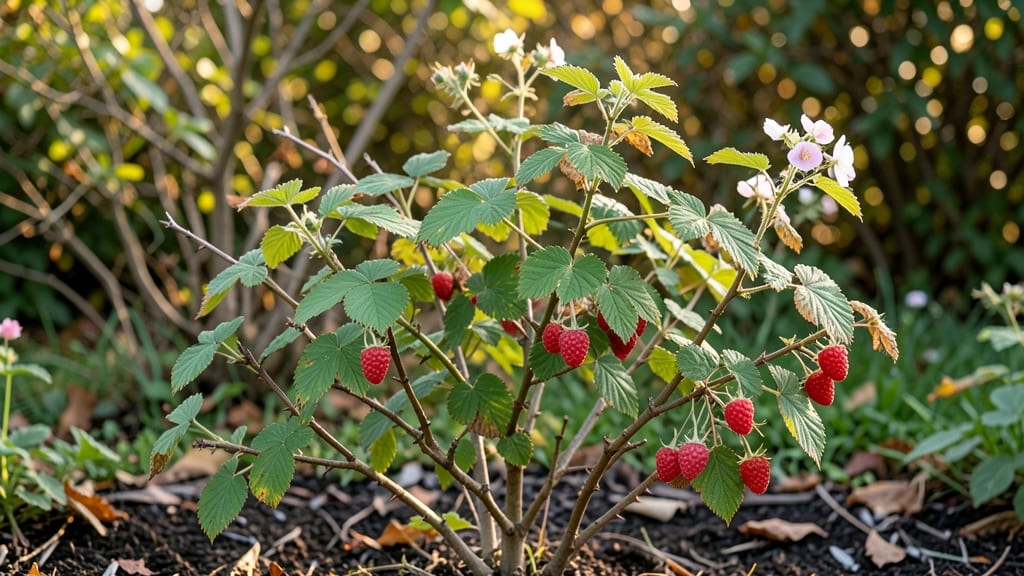
A raspberry bush takes 1-2 years to grow from planting to first harvest, a timeline that depends on variety, care, and climate—but the wait is worth every juicy berry.
If you’ve ever dreamed of plucking fresh raspberries straight from your garden but wondered how long you’d have to wait, you’re not alone.
The first year is all about building a strong root system and sending up those primocanes (the thorny canes), while the real magic happens in year two when floricanes produce fruit. That’s why planting in early spring—when soil temps hit 50°F—gives you the best head start.
What most gardeners don’t realize is that summer-bearing varieties (like Heritage) fruit only on second-year canes, while everbearing types (like Boyne) can produce two crops a year—once on primocanes and again on floricanes.
Climate plays a huge role too: cooler zones like 6a may take an extra year to mature compared to warmer regions.
In this guide, I’ll break down the exact growth stages, how to speed up fruiting, and the 3 key mistakes that delay harvests—so you can go from bare-root plant to berry bowl faster than you think.

Raspberry bush growth timeline: seed vs. bare-root planting
Growing raspberries from seeds or planting bare-root canes changes your timeline dramatically. While both methods lead to delicious berries, the journey from seed to harvest takes 2-3 years, while bare-root plants may fruit in as little as 1 year under ideal conditions.
Let’s break down each method’s growth stages so you can choose what works best for your garden and patience level.
When starting with raspberry seeds, germination takes 2-4 weeks in warm, moist soil. Seedlings grow slowly at first, reaching 1-2 feet by their first year. These young plants, called primocanes, focus on establishing roots and stems rather than fruiting.
By year two, they’ll produce floricane canes that bear fruit, but yields may be modest until year three when the bush matures fully.
The comparison table below highlights the key differences in growth timelines between seed-starting and bare-root planting, including critical milestones like first fruiting and full maturity.
| Stage | Seed-Starting Timeline | Bare-Root Planting Timeline |
|---|---|---|
| Germination | 2-4 weeks | N/A (planted as canes) |
| First Year Growth | 1-2 ft primocanes | 2-4 ft primocanes |
| First Fruiting | Year 2 (small yield) | Year 1 (summer-bearing) or Year 2 (everbearing) |
| Full Maturity | Year 3 (6-8 ft) | Year 2-3 (6-8 ft) |
| Optimal Yield | Year 4+ | Year 3+ |
If you’re eager for raspberries in your first year, bare-root planting is your best bet. Nursery-grown canes are already 1-2 years old and can produce fruit as soon as their first growing season, provided they’re summer-bearing varieties like Boyne or Willamette.
These canes develop floricane canes immediately, skipping the slow seedling stage entirely.
However, starting from seeds offers variety exploration and genetic diversity. If you’re growing heirloom or experimental varieties, seeds are the only option. Plus, the process of nurturing a raspberry from a tiny seed to a fruiting bush is incredibly rewarding.
Just be prepared for the longer wait time—your first harvest won’t arrive until year two or three.
Another key difference lies in the canes themselves. Bare-root plants come with established root systems, allowing them to establish quickly and send up primocanes that may fruit the same year.
Seedlings, on the other hand, prioritize root and stem growth, delaying fruiting until they’ve built sufficient energy reserves in their floricane canes.
For both methods, pruning plays a critical role in timing. Summer-bearing varieties require removing all primocanes in late fall to redirect energy to floricane canes for next year’s fruit.
Everbearing varieties, like Heritage, produce fruit on both primocanes and floricanes, so pruning strategies differ. Understanding these nuances helps you manage expectations and optimize your harvest timeline.
No matter which method you choose, patience is key. Raspberry bushes are perennial plants, meaning they’ll continue producing fruit for 10-20 years with proper care.
The first year is all about building a strong foundation—whether through seed germination or cane establishment—so you can enjoy a bountiful harvest in the years to come.
🌱
Key factors that speed up or delay raspberry bush maturity
Raspberry bushes thrive with the right conditions, but their growth timeline can vary dramatically based on your climate zone and care habits. In my Zone 6a garden, I’ve seen some varieties produce berries in just one year, while others take two full seasons to mature.
The key lies in understanding how sunlight exposure, soil quality, and watering consistency interact to either accelerate or stall development.
For example, my Heritage raspberries planted in well-draining, compost-rich soil with 8+ hours of sunlight daily fruited in their second year, while the same variety in heavy clay soil with partial shade struggled to produce until year three.
These differences aren’t just about luck—they’re about controllable factors you can optimize for faster results.
- 🌡️ Climate Zone: Zones 5-8 ideal; Zone 4 needs cold-hardy varieties like Nova (maturity in 18-24 months). Southern Zones 9-10 may see year-round growth but risk overwintering issues.
- ☀️ Sunlight: 6-10 hours daily speeds maturity by 30-50%. Partial shade (<4 hours) delays fruiting by 6-12 months.
- 🌱 Soil Quality: pH 5.5-6.5 + organic matter cuts growth time by 20%. Compacted or acidic soil adds 12+ months to maturity.
- 💧 Watering: Deep, consistent watering (1-2 gallons/plant) prevents stress delays. Drought stress can push back fruiting by up to a year.
- ✂️ Pruning: Annual winter pruning of dead canes boosts energy to new growth, reducing maturity time by 4-6 months. Neglecting pruning creates overcrowding, delaying fruit by 12+ months.
One of the biggest misconceptions I hear is that raspberries are low-maintenance plants that grow quickly. While they’re hardy shrubs, they’re not fast growers—especially if you’re not meeting their basic needs.
For instance, I once had a client whose raspberries took three years to fruit because they were planted in shade from a large oak tree and only watered once a week during summer droughts.
To accelerate maturity, focus on soil preparation first. Amend your soil with compost and peat moss to improve drainage and nutrient availability. I always test my soil pH before planting—raspberries hate alkaline soil, which can lock out essential nutrients like iron and manganese.
Adding sulfur or pine needles to lower pH has helped my bushes double their growth rate in just one season.
Don’t overlook the power of mulching either. A 3-inch layer of straw or wood chips keeps roots cool in summer and insulated in winter, which is critical for everbearing varieties that produce two crops per year.
Proper mulching can shave off 3-6 months from the time it takes for your bushes to reach full maturity. I’ve also noticed that container-grown raspberries mature faster because their roots stay consistently moist and warm.
Finally, remember that primocanes (first-year canes) and floricanes (fruit-bearing canes) have different growth patterns. Summer-bearing varieties only fruit on second-year canes, so you’ll need to prune aggressively in winter to encourage new primocanes.
Everbearing types like Heritage produce fruit on both first- and second-year canes, which means you can get berries in year one—but only if you’re providing optimal growing conditions from day one.