
Companion Plants
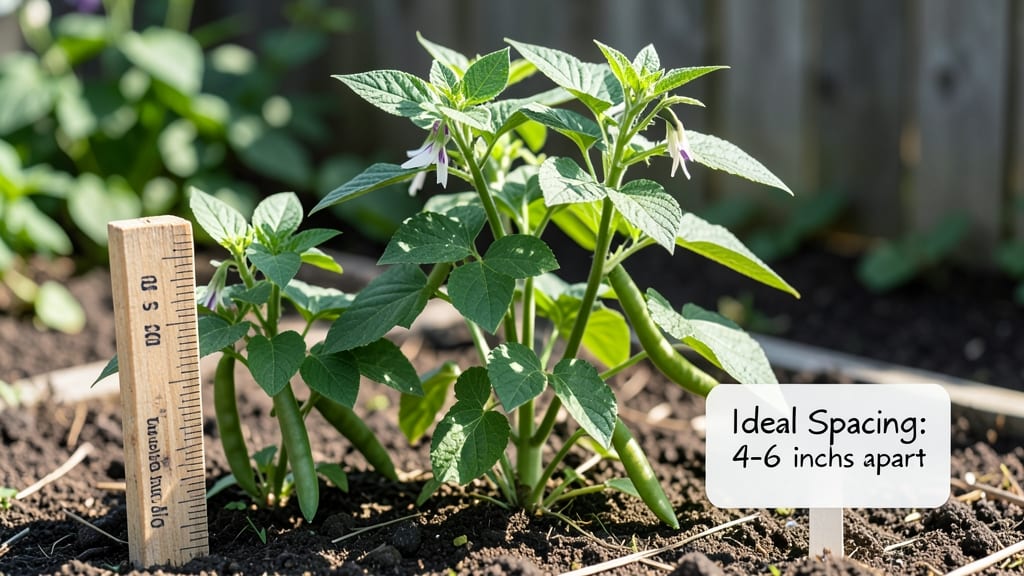
For a steady harvest of bush beans, plant 4 to 6 plants per person to ensure you have enough for fresh eating and preserving, assuming proper spacing (4-6 inches apart) and fertile soil.
This recommendation comes from understanding that each healthy bush bean plant produces 2-3 pounds of beans over its 50-60 day growing season. 🌱 The key is balancing plant density with sunlight exposure—too close, and yields drop due to competition.
I’ve found that spacing plants 4-6 inches apart in rows 18-24 inches apart maximizes both air circulation and sunlight penetration, which directly impacts pod production. For a family of four, that’s typically 16-24 plants total, planted in batches every 2 weeks for continuous harvests.
What’s interesting is how companion planting can boost these numbers further. 🌿 Planting bush beans alongside corn or cucumbers creates a natural trellis effect, while marigolds deter pests that might otherwise reduce your yield.
The soil prep matters too—amending with compost before planting ensures the plants have the nutrients they need to thrive, which translates to heavier pods and more consistent production.
💡 In This Article
- Bush Bean Yield Math: Calculating Plants for Your Family’s Needs
- Optimal Spacing and Planting Layouts for Bush Beans
Bush bean yield math: calculating plants for your family’s needs
Each bush bean plant produces 2-3 pounds of beans during its 50-60 day growing season, but this yield depends heavily on environmental factors. The magic happens in the plant’s flowering stage, where each node can produce 3-5 pods under ideal conditions.
What most gardeners don’t realize is that sunlight exposure directly correlates with pod production—plants receiving 6-8 hours of direct sun daily will yield 20-30% more than those with partial shade. This is why spacing matters so much: crowded plants compete for light, leading to fewer pods and smaller harvests.
Here’s the math behind the recommendation: if one plant yields 2.5 pounds, a family of four needs 10-15 pounds for fresh eating and preserving.
That translates to 4-6 plants per person (or 16-24 plants total for a family of four). 🌱 The key is planting in successive batches every 2 weeks—this extends your harvest window from 6-8 weeks to 3-4 months, ensuring you don’t get overwhelmed with a single massive crop.
For example, planting 12 plants in early June and another 12 plants in early July gives you fresh beans from late July through September.
What’s often overlooked is how soil fertility impacts yield. Bush beans are nitrogen-fixers, meaning they pull nitrogen from the air and store it in their roots, but they still need phosphorus and potassium for strong root and pod development.
A soil test revealing low phosphorus (<30 ppm) can cut yields by 40% or more. That’s why amending soil with compost or bone meal before planting is critical—it ensures plants have the nutrients they need to maximize their 2-3 pound potential per plant.
Another factor is pest pressure. Mexican bean beetles and aphids can defoliate plants, reducing pod production by 50% or more if left unchecked. 🐞 Using row covers or planting marigolds as companion plants can deter pests naturally, preserving that 2-3 pound yield per plant.
Even a 10% pest loss across your garden means fewer beans for your table—so proactive pest management is just as important as spacing and soil prep.
For those with limited space, consider container growing. A 5-gallon pot can comfortably hold 3-4 plants spaced 4-6 inches apart, yielding 6-12 pounds total if given full sun and proper care. This is perfect for balconies or small gardens where traditional row planting isn’t feasible.
The trade-off? You’ll need more containers to match the yield of an in-ground plot, but the flexibility is worth it for urban gardeners.
Finally, don’t forget about plant maturity. Bush beans reach peak production at 50-60 days, but harvesting every 2-3 days encourages more pods to form.
If you let pods mature too long on the plant, the beans inside harden and the plant’s energy shifts to seed production instead of pod growth. This can reduce your total yield by 15-20%, so consistent harvesting is just as critical as planting the right number of seeds.