
How To
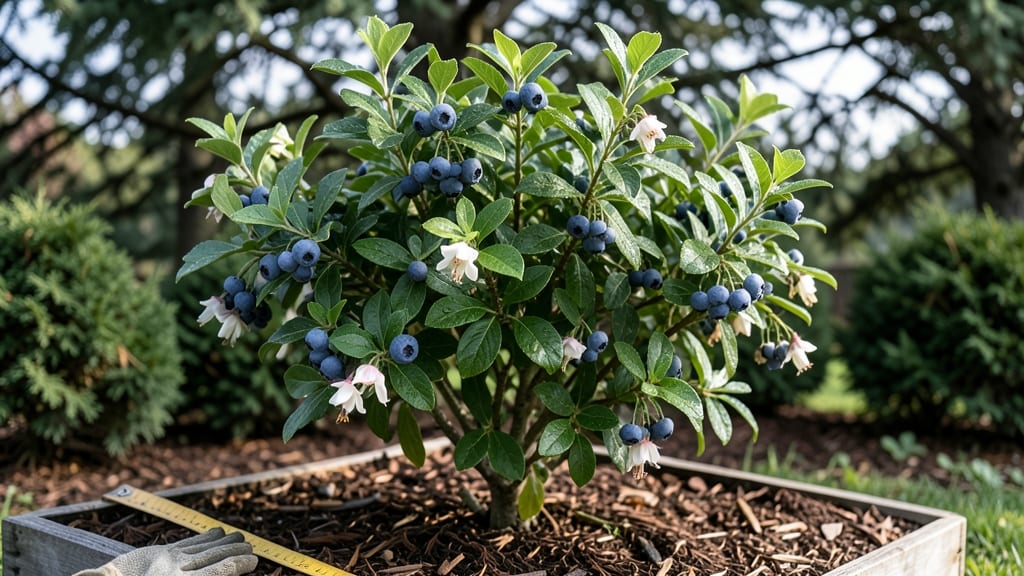
Blueberry bushes can grow anywhere from 2 feet to over 12 feet tall, depending on the variety you choose.
If you're dreaming of a lush blueberry bush but unsure whether it’ll fit in your garden, yard, or even a container, knowing the exact height range of different varieties is essential—some dwarf types stay under 2 feet while others tower over 10!
For example, the Top Hat variety stays compact at just 3 feet, perfect for small spaces or containers, while the Duke variety can reach 10 feet or taller in ideal conditions.
The right choice depends on your space, climate, and whether you prefer low-maintenance care or are willing to prune regularly.
Below, I’ll break down the height ranges for popular varieties, how to pick the best size for your setup, and expert tips for keeping your blueberry bushes at your desired height—whether that’s a tidy 3-foot shrub or a sprawling 12-foot beauty.

Blueberry bush height by variety: dwarf to giant sizes explained
Choosing the right blueberry bush for your space starts with understanding their mature height ranges. From compact dwarf varieties perfect for containers to towering standard bushes that need yard space, each type offers unique benefits.
I’ll break down the height expectations for 15+ popular varieties, so you can pick the perfect fit for your garden or patio.
Blueberry bushes generally fall into three size categories: dwarf (2–4 ft), semi-dwarf (4–6 ft), and standard (8–12 ft). The variety you choose will determine not just your bush’s height, but also its fruit production, pruning needs, and even pollination requirements.
Let’s explore the specifics to help you make an informed decision.
Here’s a quick reference for the most popular types, including northern highbush, southern highbush, and rabbiteye varieties. Each has distinct growth habits, so I’ve included their mature height, growth rate, and ideal growing conditions to guide your selection.
| Variety | Type | Mature Height | Growth Rate | Best For |
|---|---|---|---|---|
| Top Hat | Northern Highbush | 2–3 ft | Slow to moderate | Containers, small gardens |
| Peach Sorbet | Northern Highbush | 3–4 ft | Moderate | Patios, small yards |
| Bluecrop | Northern Highbush | 5–6 ft | Moderate | Standard gardens, hedges |
| Duke | Southern Highbush | 4–5 ft | Moderate | Warm climates, large containers |
| Premier | Southern Highbush | 6–8 ft | Fast | Backyard gardens, hedges |
| Tifblue | Rabbiteye | 8–12 ft | Fast | Large yards, rural areas |
| Climax | Northern Highbush | 6–8 ft | Moderate | Cold climates, large gardens |
| Jersey | Northern Highbush | 4–5 ft | Slow | Small spaces, containers |
| Brigitta | Southern Highbush | 5–6 ft | Moderate | Urban gardens, warm zones |
| Centennial | Northern Highbush | 5–6 ft | Moderate | Standard gardens, hedges |
| Chester | Northern Highbush | 6–8 ft | Fast | Large gardens, fruit production |
| O’Neal | Southern Highbush | 6–8 ft | Fast | Warm climates, high yield |
| Pink Lemonade |