
How To
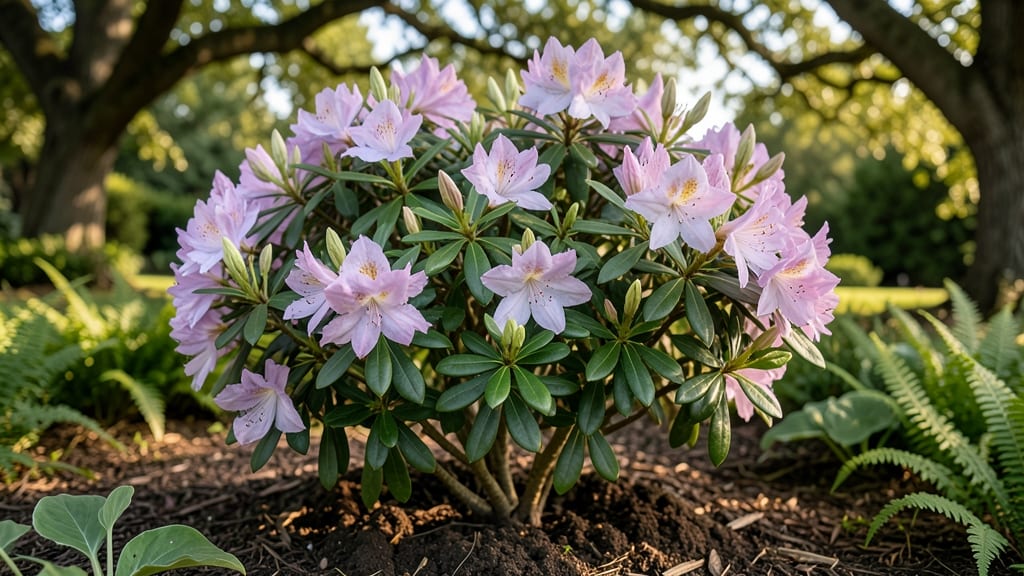
Azalea bushes grow anywhere from 2 to 12 feet tall depending on the variety, making them one of the most adaptable shrubs for any garden space.
Imagine a 3-foot azalea 🌸 adding color to a small patio or a towering 10-foot specimen anchoring your yard’s landscape—both are possible with the right choice. The key is knowing which type fits your space and vision before you plant.
Evergreen azaleas often stay compact, while deciduous varieties can reach impressive heights. Whether you’re designing a cozy corner or a bold foundation planting, height matters more than you might think.
Below, I’ll break down the exact height ranges for popular types, how to pick the perfect size for your garden, and even how to keep them in check with simple pruning tricks.

Azalea bush height by variety: from dwarf to tall shrubs
Azaleas offer stunning blooms and year-round interest, but their height varies dramatically by variety. Whether you need a compact hedge or a tall specimen plant, choosing the right azalea ensures your landscape thrives.
Evergreen azaleas typically grow taller than deciduous types, but both categories include dwarf, semi-dwarf, and standard options to fit any space.
From 2-foot dwarf varieties perfect for containers to 12-foot giants that anchor foundation plantings, azaleas adapt to nearly every garden design. Understanding these height differences helps you plan spacing, pruning, and placement for optimal growth and aesthetics.
Let’s explore the full range so you can pick the perfect azalea for your vision.
| Variety Type | Mature Height Range | Growth Rate | Best For |
|---|---|---|---|
| Dwarf Evergreen (e.g., 'Little Miss Molly') | 2–4 ft | Slow (6–12 in/year) | Containers, rock gardens |
| Semi-Dwarf Evergreen (e.g., 'Southern Indica') | 4–6 ft | Moderate (12–18 in/year) | Foundation plantings, hedges |
| Standard Evergreen (e.g., 'Bumper Crop') | 6–12 ft | Fast (18–24 in/year) | Specimen plants, privacy screens |
| Deciduous (e.g., 'Algonquin') | 3–8 ft | Moderate (12–18 in/year) | Woodland gardens, mixed borders |
| Globe Azalea (e.g., 'Minuet') | 1–3 ft | Slow (6–10 in/year) | Borders, mass plantings |
Evergreen azaleas like 'Little Miss Molly' stay compact, making them ideal for small spaces or containers. These varieties grow just 2–4 feet tall and spread 3–5 feet wide, perfect for patio accents or window boxes.
Their slow growth rate means minimal pruning, but they thrive with regular watering and acidic soil.
For foundation plantings or hedges, semi-dwarf evergreens like 'Southern Indica' reach 4–6 feet tall and grow 6–12 inches per year. These azaleas create a lush, evergreen backdrop year-round, with spring blooms that last weeks. Plant them 3–5 feet apart for a dense, natural look.
If you’re dreaming of a statement shrub or privacy screen, standard evergreens like 'Bumper Crop' hit 6–12 feet tall. These fast growers can add up to 2 feet per year with proper care.
Space them 6–10 feet apart to allow airflow and prevent disease. Their bold foliage and dramatic blooms make them stars in any landscape.
Deciduous azaleas, like 'Algonquin', offer a different seasonal interest with fall color and winter dormancy. They typically grow 3–8 feet tall and thrive in woodland gardens or mixed borders.
Their faster growth rate compared to evergreens means they fill space quickly but may need annual pruning to control height.
Globe azaleas, such as 'Minuet', are the ultimate dwarf option, rarely exceeding 3 feet tall. These compact powerhouses produce dense clusters of flowers and work beautifully in rock gardens or mass plantings.
Their slow growth makes them low-maintenance, but they love well-draining soil and morning sun.
When planning your azalea garden, consider mature height and spread to avoid overcrowding. Most azaleas need 3–5 feet of clearance from structures or other plants. For containers, choose dwarf varieties and use large pots (15+ gallons) to support root growth.
Always mulch around the base to retain moisture and protect roots.
Pruning plays a key role in controlling azalea height. Light pruning after
How to choose azaleas based on landscape needs and space
Selecting the right azalea for your space isn’t just about aesthetics—it’s about creating a functional and balanced landscape. Whether you’re working with a cramped courtyard or a sprawling backyard, understanding how tall azalea bushes grow helps you avoid overcrowding or underutilized space.
The key? Matching the mature height of your azalea to its intended role in your garden.
For example, a dwarf azalea (2–4 feet tall) thrives as a container specimen or border plant, while a standard variety (6–12 feet) makes a bold foundation planting or privacy screen.
Let’s break down the best azalea heights for common landscaping scenarios, plus spacing and pruning tips to keep your shrubs looking their best.
Dwarf Azaleas (2–4 ft)
Perfect for small yards, containers, or rock gardens. Varieties like 'Little Jim' or 'PJM' stay compact, making them ideal for patio accents or window boxes. Space them 3–4 feet apart to avoid overcrowding.
Semi-Dwarf Azaleas (4–6 ft)
Ideal for foundation plantings or woodland gardens. These varieties, like 'Girard’s Pink' or 'Hino Crimson', add height without overwhelming smaller spaces. Plant them 5–6 feet apart for a natural, layered look.
Standard Azaleas (6–12 ft)
Best for privacy screens, hedges, or backyard focal points. Tall varieties like 'Bowl of Beauty' or 'Southern Indigo' need 8–10 feet of space between plants. Prune annually to maintain shape and encourage dense blooming.
Container Azaleas (Varies)
Even standard azaleas can thrive in large containers (18+ inches wide) if pruned regularly. Choose dwarf or semi-dwarf varieties for smaller pots. Ensure containers have drainage holes and use acidic potting mix.
When planning your azalea placement, consider mature height and growth rate. Most azaleas grow 6–12 inches per year, so a 3-foot dwarf may reach maturity in 3–5 years, while a 10-foot standard could take 10+ years.
To control height, prune right after blooming to shape the shrub and encourage bushier growth.
For woodland gardens, opt for taller, more sprawling varieties like 'Formosa' azaleas, which thrive under dappled shade and create a natural understory. In urban settings, dwarf or semi-dwarf azaleas work best near walkways or patios, where their compact size prevents overgrowth into hardscapes.
Pro tip: If you’re unsure about spacing, err on the side of giving plants more room. Azaleas hate root competition, and overcrowding leads to poor blooming and pest susceptibility. Mulch around the base to retain moisture and suppress weeds, which helps maintain healthy growth patterns.
With the right variety and placement, your azaleas will not only thrive in height but also enhance your landscape’s structure for years to come. Happy planting! 🌿