
Size
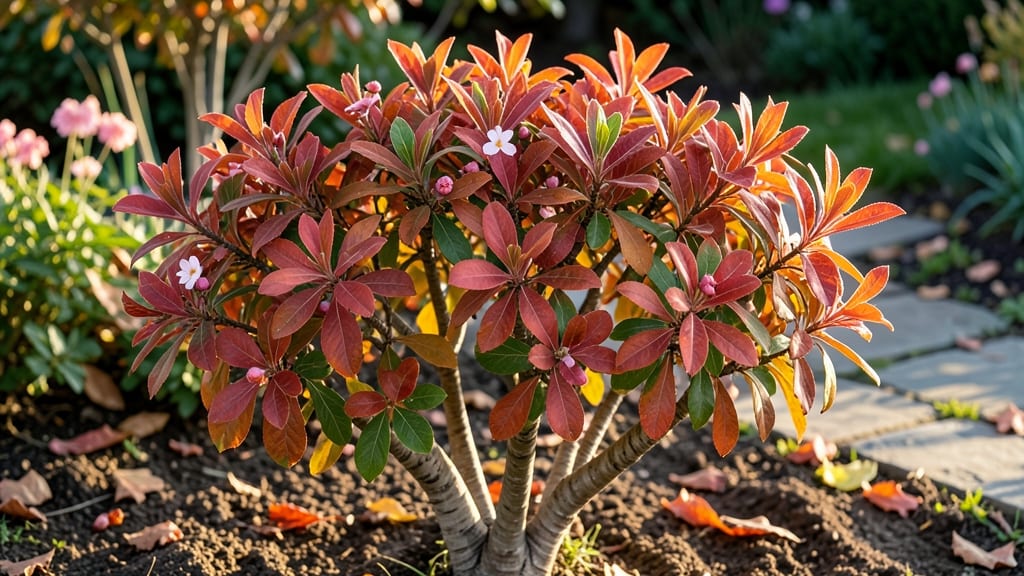
Burning bushes grow between 6 and 15 feet tall at maturity, depending on the variety and growing conditions—so if you're planning your garden layout, this size range is the key to spacing, pruning, and long-term success.
Imagine a vibrant hedge that thrives with minimal care, turning fiery red in fall—but without the invasive spread you’ve heard rumors about. The truth is, most burning bushes (Euonymus alatus) stay well-behaved, and their mature height can be managed with the right pruning and placement.
Compact varieties like 'Compacta' max out around 3 to 5 feet, making them perfect for small gardens or container planting, while standard types can reach 12 to 15 feet in ideal conditions.
Climate also plays a role—cooler zones like 6a may see slower growth, while warmer regions can push them toward their upper limits.
Below, I’ll break down how to choose the right variety for your space, the best sunlight and soil for healthy growth, and pruning tips to keep your burning bush at your desired height—whether you want a low hedge or a towering privacy screen.

Burning bush mature height by variety: compact to giant sizes
Choosing the right burning bush (Euonymus alatus) variety means understanding their mature height and spread to plan your landscape effectively. Some varieties stay as small as 3 feet tall, perfect for containers or small gardens, while others reach 15 feet or more, ideal for privacy screens.
The key is selecting a size that fits your space and vision—whether you want a dwarf hedge or a bold focal point.
Burning bushes grow at different rates, with some varieties maturing in 3-5 years and others taking up to a decade. Their spread is equally important—some varieties grow wider than they do tall, while others maintain a more compact form.
Always check the ideal spacing for each variety to avoid overcrowding and ensure proper airflow, which prevents diseases like powdery mildew.
Here’s a quick look at how burning bush height varies by variety, including their mature sizes and best uses in your garden:
| Variety | Mature Height | Spread | Ideal Spacing | Best For |
|---|---|---|---|---|
| Compacta | 3–5 ft | 3–4 ft | 3–4 ft apart | Containers, small gardens, borders |
| Rojo Compacto | 4–6 ft | 4–5 ft | 4–5 ft apart | Low hedges, foundation plantings |
| Emerald Gaiety | 6–8 ft | 6–8 ft | 6–8 ft apart | Privacy screens, mixed borders |
| Alatus | 8–12 ft | 8–10 ft | 8–10 ft apart | Tall hedges, woodland gardens |
| Witches Broom | 3–5 ft | 3–4 ft | 3–4 ft apart | Accent plant, containers, small spaces |
| Fireburst | 6–8 ft | 5–6 ft | 5–6 ft apart | Colorful hedges, mixed shrub beds |
| Emerald 'n' Gold | 10–15 ft | 10–12 ft | 10–12 ft apart | Privacy screens, large landscapes |
| Red Tower | 12–15 ft | 6–8 ft | 8–10 ft apart | Tall privacy barriers, focal points |
| Emerald Spire | 10–12 ft | 4–5 ft | 6–8 ft apart | Narrow hedges, vertical gardens |
If you’re working with a small garden, varieties like Compacta or Witches Broom are ideal—they stay under 5 feet tall and fit perfectly in containers or along walkways.
For a privacy screen, opt for taller varieties like Emerald 'n' Gold or Red Tower, which can reach 15 feet and create an impenetrable barrier.
When planting, always account for the mature spread of your burning bush. For example, the Emerald Spire grows narrow but tall, making it perfect for tight spaces where width is limited. Meanwhile, varieties like Alatus spread widely, so give them plenty of room to avoid overcrowding neighboring plants.
Pruning plays a crucial role in managing height. For compact varieties, light pruning in late winter encourages bushier growth. For taller varieties, annual pruning in early spring keeps them from becoming too leggy. Always use sharp, clean tools to avoid damaging the plant and spreading disease.
One common miscon
How climate zones affect burning bush growth and height
Your burning bush (Euonymus alatus) won't grow the same height in USDA Zone 3 as it will in Zone 8. Climate plays a huge role in determining how tall your shrub becomes, with colder zones often stunting growth while warmer climates encourage taller, more vigorous plants.
Understanding these patterns helps you plan spacing, pruning, and even variety selection for your region.
In northern climates (Zones 3-5), burning bushes typically stay shorter—often between 6-10 feet—due to shorter growing seasons and harsher winters. The plant focuses energy on survival rather than rapid vertical growth.
Meanwhile, in southern zones (6-8), these shrubs can reach their maximum potential height of 12-15 feet, given ideal conditions.
| USDA Zone | Cold Hardiness | Mature Height Range | Growth Notes |
|---|---|---|---|
| 3-4 | Extreme cold (-40°F to -30°F) | 6-10 ft | Slower growth; may need winter protection |
| 5-6 | Moderate cold (-20°F to -10°F) | 8-12 ft | Balanced growth; ideal for most varieties |
| 7-8 | Mild winters (10°F to 20°F) | 10-15 ft | Fastest growth; may need pruning |
If you live in warmer zones (7-8), you can maximize height by providing well-draining soil and full sun exposure. These conditions encourage faster growth, but regular pruning becomes essential to maintain your desired shape.
In contrast, gardeners in colder zones (3-5) should opt for dwarf varieties like 'Compacta' to avoid winter damage and overgrowth challenges.
Another key factor is spring temperature recovery. Burning bushes in Zone 6 and below often experience delayed growth until soil temperatures rise, which can limit their first-year height gain. To counteract this, mulch around the base in late winter to protect roots and encourage earlier spring growth.
For privacy screens in warmer climates, space burning bushes 8-10 feet apart to allow them to reach their full height without overcrowding. In colder regions, increase spacing to 10-12 feet to prevent competition for nutrients and sunlight, which can stunt growth further.
Remember, even within the same zone, microclimates matter. A burning bush planted in a sheltered, south-facing spot will grow taller than one exposed to winter winds. Always consider your specific site conditions when planning for height and spacing.