
How To
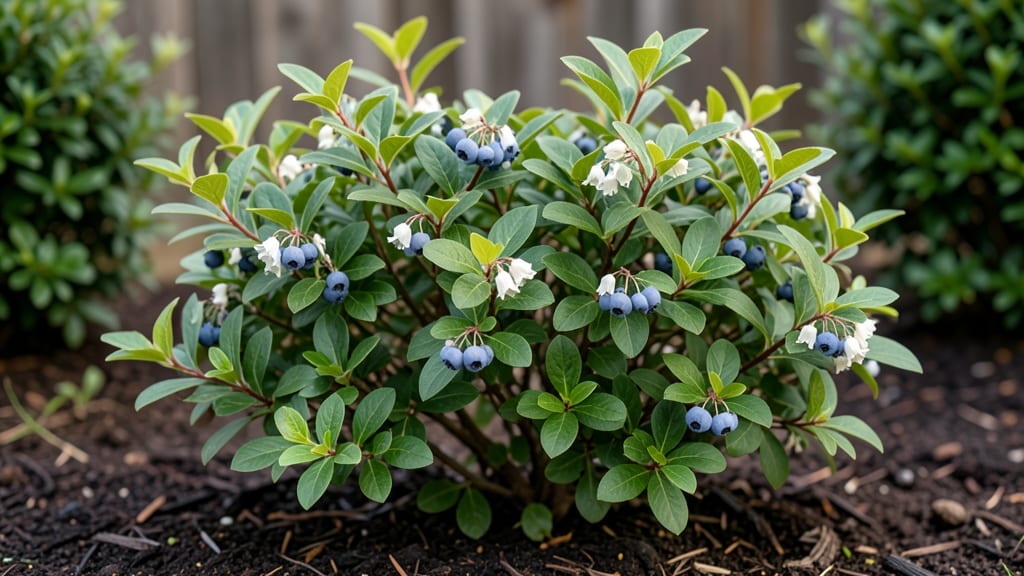
How tall blueberry bushes grow depends on the variety you choose, with heights ranging between 3 and 12 feet, while some compact types stay as short as 2 feet.
Ever wondered how fast your 🫐 blueberry bushes will reach their full height? The answer depends on the variety, age, and growing conditions—each playing a key role in determining whether your bushes will stay compact or tower over your garden.
Dwarf varieties like 'Top Hat' stay under 4 feet, making them perfect for containers or small gardens, while standard types like 'Bluecrop' can climb to 8 feet or more.
In this guide, you'll discover how height varies by type, how long it takes to reach maturity, and the best spacing and pruning tips to keep your bushes at your desired size.

Blueberry bush height by variety: dwarf vs. standard vs. giant
Choosing the right blueberry variety isn’t just about flavor—it’s about space planning. Some bushes stay as short as a dwarf tomato plant, while others reach tree-like proportions.
If you’re working with limited space, dwarf varieties like 'Top Hat' are perfect, but if you have room to spare, standard types like 'Bluecrop' will thrive. Let’s break down the height expectations for each category so you can pick the best fit for your garden.
Blueberry bushes grow at different rates based on their genetic makeup and growing conditions. Dwarf varieties typically mature in 2–3 years, while standard types may take 4–5 years to reach full height.
The key is understanding how each variety grows vertically, as this affects pruning needs, yield potential, and even pollination efficiency. For example, taller bushes may require staking or support structures to prevent flopping in windy conditions.
Here’s a quick look at the height ranges you can expect for mature blueberry bushes, categorized by size:
If you’re growing dwarf varieties, you’ll love how they fit neatly into containers or small spaces. 'Top Hat', for instance, stays under 3 feet tall and is ideal for balconies or windowsill gardens.
These compact bushes also produce abundant fruit relative to their size, making them perfect for small-scale harvests. However, they may require more frequent pruning to maintain shape and encourage bushier growth.
For those with more space, standard varieties like 'Bluecrop' or 'Duke' can reach 10–12 feet tall at maturity. These are the powerhouses of blueberry production, yielding pounds of berries per bush once established.
They’re best suited for large gardens or orchards, where their height won’t feel overwhelming. Just be prepared for larger spacing requirements—typically 5–6 feet apart—to allow airflow and sunlight penetration.
One common question I hear is, "Can I grow giant blueberry bushes in containers?" The short answer is no. While dwarf varieties thrive in pots, standard or giant types need deep root zones and ample space to support their height.
If you’re set on a taller variety, consider raised beds or in-ground planting with proper staking or trellising to manage their growth.
Another factor to consider is pollination. Taller bushes may have better cross-pollination due to increased exposure to pollinators, but dwarf varieties can still produce fruit if planted in groups of two or more.
Just ensure you’re planting compatible pollinators, like pairing 'Top Hat' with another dwarf variety like 'Peach Sorbet'. This ensures consistent fruit set even in compact gardens.
When planning your blueberry garden, always check the specific variety’s height range before purchasing. Nurseries often label plants as "dwarf," "semi-dwarf," or "standard," but growth can vary slightly based on soil quality, sunlight, and care.
For example, a 'Bluecrop' bush might stay shorter in partial shade compared to full sun. To maximize height control, prune annually and monitor growth trends each season.
Pro tip: If you’re unsure about height, start with a dwarf variety in a container to test your growing conditions. Once you’re confident in your setup, you can upgrade to taller bushes or expand your blueberry patch.
This low-risk approach helps you avoid overcrowding or poor yields due to mismatched plant sizes.
🌱
How fast blueberry bushes grow: year-by-year height progression
Blueberry bushes grow at different rates depending on their variety, soil conditions, and climate. Most standard varieties take 3–5 years to reach their full height, while dwarf varieties mature faster. Understanding this progression helps you plan your garden layout and care routine effectively.
In their first year, blueberry bushes focus on root development rather than height. This means you’ll see modest growth, typically between 1–2 feet. Proper watering and acidic soil (pH 4.5–5.5) set the foundation for faster growth in subsequent years.
Climate plays a critical role in growth speed. In warmer zones (7–9), blueberries grow faster due to longer growing seasons. In cooler zones (3–6), growth slows slightly but remains steady with proper care. Mulching in winter protects roots and encourages faster spring growth.
Pruning is essential for managing height. In late winter, remove dead or crossing branches to redirect energy to healthier growth. Avoid heavy pruning in summer, as it stresses the plant during fruit production. Use sharp, sterilized shears to prevent disease spread.
Dwarf varieties like 'Top Hat' or 'Patriot' reach 2–4 ft in 2–3 years, making them perfect for containers or small gardens. Standard varieties like 'Bluecrop' or 'Duke' grow taller but require more space. Choose based on your garden layout and maintenance preferences.
With the right care, your blueberry bushes will thrive and produce bountiful harvests year after year. Start with well-amended soil, consistent watering, and strategic pruning to guide their growth trajectory. Patience pays off—healthy bushes reward you with delicious berries for decades!