
Pruning
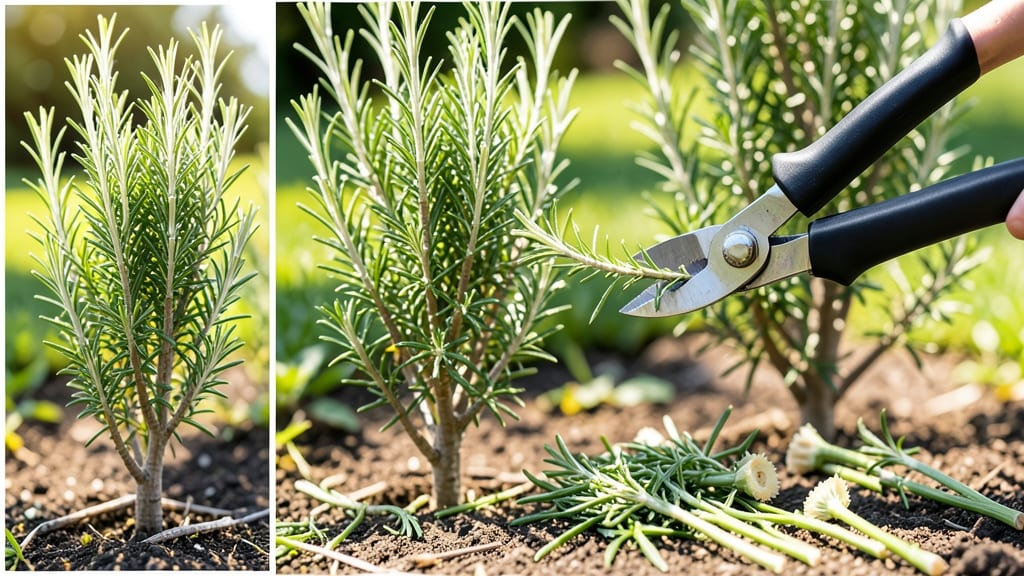
Cutting back rosemary bushes in late winter or early spring is the secret to keeping them lush and fragrant for years. 🌿 I’ve learned that skipping this step turns my rosemary from a vibrant bush into a woody, sparse mess—until I discovered these three key techniques that bring it back to life.
The right tools make all the difference: sharp pruning shears (dull blades tear stems) and a clean cloth to wipe between cuts. You’ll focus on removing dead or overgrown branches first, then shaping the plant to encourage bushier growth.
A little patience here prevents the common mistake of over-pruning, which can stress the plant. By mid-spring, your rosemary will reward you with fresh, tender new growth at the tips of the branches.
The scent will be stronger, the stems will stay flexible, and you’ll have plenty of fresh sprigs for cooking or garnishes. It’s the difference between a sad, leggy plant and a thriving herb garden staple.
This method works for both upright and trailing varieties, whether you’re pruning in containers or in the ground. The key is timing—never prune in fall, as it can leave the plant vulnerable to cold. Ready to transform your rosemary? Let’s get started.
📚 In This Guide
- What you need
- Instructions
- Tips and common mistakes
- Wrapping up and next steps
What you need
- ● Pruning shears or sharp bypass pruners – Choose sterilized, sharp tools (avoid dull blades—they crush stems!). Size: 5-7 inches for precision.
- ● Hand pruners (for smaller branches) – Quantity: 1 pair (if your rosemary is compact). Look for ergonomic grips for comfort.
- ● Gloves (cut-resistant) – Protects hands from thorns and sap. Material: Nitrile or leather (thicker = better).
- ● Disinfectant (rubbing alcohol or bleach solution) – Mix: 1 part bleach to 9 parts water (for sterilizing tools between cuts).
- ○ Garden twine or burlap sacks – For collecting pruned branches. Optional: A small wheelbarrow if trimming large bushes.
- ● Watering can or hose – To hydrate plants before and after pruning. Tip: Use lukewarm water to avoid shocking roots.
- ● Loppers (for thick stems > ½ inch) – Size: 8-12 inches (longer reach = less strain).
- ● Hedge shears (for formal shaping) – Ideal if you’re going for a manicured look.
- ● Mulch (pine bark or straw) – Quantity: 1-2 inches spread around the base post-pruning to retain moisture.
- ● Label markers – If you’re propagating cuttings, label them with date and variety.
- ● Safety goggles – Protects eyes from debris (especially if using a leaf blower later).
Step-by-step guide to cut back rosemary bushes
Rosemary thrives with strategic pruning—here's how to refresh growth and keep your plants lush.
✂️ Step 1: Identify Dead or Overcrowded Growth
Start by scanning your rosemary for branches that are brown, brittle, or growing in tangled clusters. These are your first targets—they're either dead or competing for energy with healthier stems. Use your fingers to gently bend each branch: if it snaps easily, it's dead and should be removed completely. Healthy wood should bend slightly before snapping back.
Next, look for areas where branches cross or rub against each other. These crowded spots create wounds where pests and diseases can enter. Mark these with a pencil or your thumb so you don't accidentally miss them during the main pruning. I always work in the morning when the plant is hydrated, making it easier to spot dead wood.
✂️ Step 2: Prune for Shape and Airflow
Using sharp, clean pruning shears, cut back one-third of the plant's total height in the first year. For mature bushes, aim to remove no more than 25% of the foliage in a single session to avoid shocking the plant. Always cut just above a leaf node—this is where new growth will emerge. Look for small buds or leaf clusters along the stem; these are your growth points.
Shape the bush by opening up the center to improve airflow. Rosemary hates humidity trapped against its branches, which can lead to fungal issues. Step back occasionally to visualize the plant's silhouette—you want a rounded, slightly bushy shape rather than a dense, flat top. Cut at a 45-degree angle just above the node to prevent water from pooling on the cut.
🌿 Step 3: Encourage New Growth with Strategic Cuts
Focus on cutting back the oldest stems first—they're usually the longest and leggiest. These stems won't regrow, but removing them redirects the plant's energy to younger, more vigorous branches. For woody stems thicker than a pencil, use your pruning shears to make clean cuts. For thinner stems, your fingers or small hand pruners work best.
After trimming the main structure, lightly pinch back the tips of the remaining branches. This encourages the plant to bush out rather than grow tall and sparse. You'll see new shoots forming within 4-6 weeks if the plant is healthy. Avoid cutting into bare wood—always leave at least a few leaves or buds on each stem to support new growth.
💧 Step 4: Post-Pruning Care for Recovery
Water the rosemary deeply right after pruning to help it recover from the stress. The roots need moisture to support the new growth you've encouraged. However, don't overwater—rosemary prefers dry conditions once established. Let the soil dry out between waterings to prevent root rot, especially in containers where drainage is critical.
Apply a balanced, water-soluble fertilizer (like 10-10-10) diluted to half strength 2 weeks after pruning. This gives the plant a gentle nutrient boost to support regrowth. Avoid heavy fertilizers immediately after cutting—you want the plant to focus on healing before pushing out new leaves. Mulch lightly around the base with 1-2 inches of gravel or coarse sand to retain moisture without suffocating the roots.
Tips & tricks for perfect rosemary pruning
Between us, rosemary pruning is where many gardeners trip up—over-trimming or cutting in the wrong spots can set your plant back. Here's how to avoid those mistakes and get it right the first time.
Timing is Everything: The best time to prune rosemary is in early spring just as new growth begins, or in late winter before the plant starts pushing new shoots. This gives your plant the entire growing season to recover and regenerate. Avoid pruning in fall or winter when the plant is dormant—it won't have time to heal before cold weather sets in. If you must prune in summer, do it in the morning to reduce stress from heat and sun exposure.
Tool Prep Matters: Always sterilize your pruning shears with rubbing alcohol before and after use to prevent spreading disease between plants. Dull blades crush stems instead of making clean cuts, which can damage the plant and invite infection. I keep a small bottle of rubbing alcohol in my gardening toolkit specifically for this purpose—it takes just 10 seconds and makes all the difference. For thicker stems, use sharp bypass pruners to avoid tearing the bark.
Visual Cues for Healthy Cuts: When making your cuts in Step 2, look for the small leaf nodes where new growth emerges—these are your growth points. Cut just above these nodes at a 45-degree angle to prevent water from pooling on the cut and causing rot. A good rule of thumb is to leave at least two sets of leaves on each stem after pruning; this ensures the plant has enough energy to support new growth while maintaining its structure.
Recovery Boost: After pruning, give your rosemary a deep watering to help it recover from the stress of cutting. However, don't overwater—rosemary prefers dry conditions once established. I like to water deeply once a week after pruning, then let the soil dry out completely between waterings. This balance is key: too much water can cause root rot, while too little will stress the plant as it tries to regrow. The 2 weeks before applying fertilizer is crucial—this gives the plant time to focus on healing rather than pushing out new leaves too quickly.
Pro Tips for Cut Back Rosemary Bushes
- Between us, rosemary pruning is where many gardeners trip up—over-trimming or cutting in the wrong spots can set your plant back.
- Timing is Everything: The best time to prune rosemary is in early spring just as new growth begins, or in late winter before the plant starts pushing new shoots.
- Tool Prep Matters: Always sterilize your pruning shears with rubbing alcohol before and after use to prevent spreading disease between plants.
Frequently asked questions
Got questions about pruning your rosemary bushes? You’re not alone! Here are answers to the most common concerns—so you can trim with confidence and keep your rosemary thriving.
When is the best time to prune rosemary?
Prune rosemary after flowering in late spring or early summer to encourage new growth. For Mediterranean climates, avoid heavy pruning in winter—rosemary is semi-dormant and more vulnerable to cold damage. If you live in a warmer zone, light shaping can happen year-round, but avoid pruning in extreme heat.
Can I prune rosemary too much?
Yes! Over-pruning—especially cutting into old wood (brown stems)—can stress the plant or even kill it. Never trim more than one-third of the bush at once. Focus on shaping the top and sides, leaving the lower stems intact to support new shoots. If your rosemary looks woody, it’s a sign you’ve pruned too aggressively in the past.
What should I do if my rosemary turns brown after pruning?
Brown tips or stems after pruning usually mean you cut too close to old wood or stressed the plant. To fix it: water deeply (but don’t overwater), avoid fertilizing for a few weeks, and trim any dead branches back to healthy green growth. If the damage is severe, rosemary may need time to recover—be patient and keep it in full sun.
Can I prune rosemary in winter?
In cold climates (below 20°F), avoid heavy pruning in winter—rosemary is less resilient to frost. Light shaping is fine, but save major cuts for spring. If you must prune in winter, do it on a mild day and protect the plant with mulch afterward. In warmer zones, winter is a great time for light maintenance to encourage spring growth.
How do I propagate rosemary from cuttings?
Pruning gives you free rosemary cuttings! Take 3–4 inch stems from healthy growth, strip the lower leaves, and dip the cut end in rooting hormone (optional). Plant in well-draining soil, water lightly, and keep in bright, indirect light. Roots should form in 2–4 weeks. This is a great way to expand your garden or share rosemary with friends!
Wrapping up and next steps
Cutting back your rosemary bushes doesn’t have to be intimidating—with the right techniques, you’ll revitalize growth and keep your plants thriving for seasons to come! 🌿 Whether you’re pruning for shape, size, or rejuvenation, remember to use sharp tools, trim at the right time, and avoid over-pruning.
Your efforts will reward you with lush, fragrant foliage and even more harvests of this versatile herb.
Now that you’re ready to tackle the task, grab your shears and give your rosemary the care it deserves. Ready for a flourishing garden? Start trimming today! 🌱