
Pests
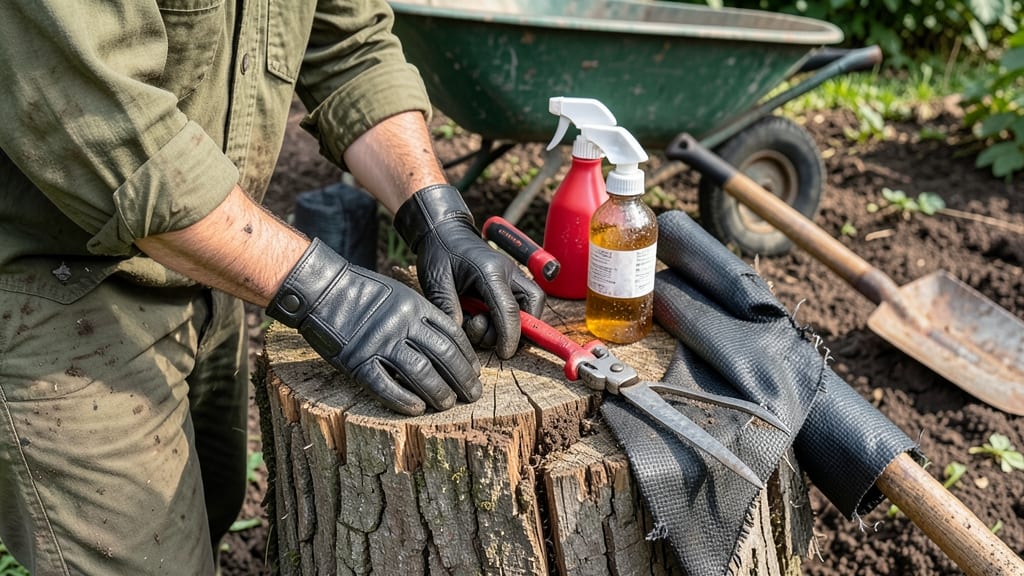
Wild blackberry bushes are nature's thorny takeover artists—spreading relentlessly and choking out everything else. 🌿 I've battled these invasive brambles in my yard, and I've learned the three-step method that actually works: cut, smother, and repeat until they're gone for good.
The key is timing—spring or fall when the plants aren't actively growing—and the right tools: a sharp shovel, heavy-duty gloves, and thick cardboard or landscape fabric. You'll need patience too, because these roots are stubborn, but consistent effort pays off faster than you'd think.
By the end of summer, you'll have a clear patch of land where those thorny invaders used to rule. The soil stays usable, and you avoid the temptation of chemical sprays that might harm other plants nearby. This method works in backyards, fence lines, or even along property edges.
The secret is persistence—don't let those suckers regrow! Here's exactly how to do it right.
📚 In This Guide
- What you need
- Instructions
- Tips and common mistakes
- Wrapping up and next steps
What you need
- ● Heavy-duty pruners or loppers – Look for bypass pruners (for clean cuts) or anvil pruners (for thicker stems). Quantity: 1 pair (or 2 if working in a large area).
- ● Garden saw or handsaw – For cutting through thick, woody roots or canes. Recommended: A pruning saw with a curved blade (e.g., Felco or Bahco). Quantity: 1.
- ● Gloves – Heavy-duty leather or cut-resistant gloves to protect from thorns and sharp canes. Quantity: 1–2 pairs.
- ● Shovel or mattock – A flat-head shovel (for digging roots) or a mattock (for breaking stubborn growth). Quantity: 1.
- ● Wheelbarrow or large trash bags – For hauling away cuttings and debris. Quantity: 1 wheelbarrow or 3–5 heavy-duty bags (30+ gallon size).
- ● Rake or hoe – Helps clear smaller plants and loosen soil. Quantity: 1.
- ○ Hose with a strong spray nozzle – For wetting soil before digging (optional but helpful). Quantity: 1.
- ● Hermetic bags or compost bin – If you want to compost the blackberry debris (ensure no roots remain intact!).
- ● Vinegar or glyphosate herbicide – For spot-treating stubborn regrowth. Note: Use glyphosate only as a last resort and follow label instructions.
- ● Knee pads or work boots – For comfort, especially if digging in rocky or uneven terrain.
- ● Safety glasses – Protects eyes from flying debris or sap.
- ● Fire or disposal pit – If burning debris is allowed in your area (check local regulations!).
Step-by-step guide to eradicating wild blackberry bushes
Blackberries spread fast—here’s how to stop them permanently without harsh chemicals.
🌱 Step 1: Cut Down the Canes at the Right Time
Timing matters most. Wait until late winter or early spring when the plant is dormant but before new growth starts. Grab pruners or a saw and cut the canes as close to the ground as possible—this prevents regrowth from the base. I like to wear gloves because those thorns don’t play nice. If the patch is large, tackle it in sections to avoid exhaustion.
After cutting, leave the canes on the ground. The roots will still try to send up new shoots, but this step weakens them. If you burn or remove the canes immediately, you’ll miss the chance to starve the roots. Think of it like pulling weeds—you don’t yank them all at once, you weaken them first.
✂️ Step 2: Smother the Roots with Cardboard or Black Plastic
Once the canes are cut, cover the entire area with 3-4 layers of thick cardboard or black plastic sheeting. Secure the edges with rocks or soil to prevent wind from lifting it. This blocks sunlight, which the roots need to produce new growth. I’ve found that black plastic works best because it heats up and kills roots faster—just make sure it’s at least 4 mil thickness to last through seasons.
Leave the smothering in place for at least 6 months, checking periodically for any new shoots. If you see green sprouts poking through, cut them off immediately and add more layers. Patience is key here—roots can be stubborn, but consistent suffocation will win. Water the area lightly before covering to help the cardboard break down faster.
💧 Step 3: Monitor and Repeat for Stubborn Roots
After 6 months, dig up the area to check for remaining roots. Use a shovel to loosen the soil and pull out any thick, white roots you find—these are still alive and will regrow. I’ve had to repeat this step 2-3 times in some stubborn patches. If you see even a small piece of root left behind, it’ll send up new canes faster than you can say "thorny mess."
For extra stubborn blackberries, I’ve had success with a vinegar and salt solution (1 gallon vinegar + 1 cup salt) sprayed directly on any remaining roots or shoots. It’s not pretty, but it works. Just avoid spraying on desirable plants—vinegar is non-selective. Once you’ve confirmed no new growth for a full growing season, you can replant or reseed the area.
⏰ Step 4: Prevent Regrowth with Barrier Methods
Blackberries spread via underground runners, so prevent future invasions by installing a 6-inch deep barrier of landscape fabric or metal edging around your garden beds. Bury it 2 inches into the soil to block those sneaky roots. I’ve also had luck with gravel or mulch in high-risk areas—blackberries hate dry, compacted soil.
Keep an eye out for new shoots for at least a year after eradication. If you spot even a tiny green shoot, pull it immediately. The first year is the hardest because roots can lie dormant for months before trying to regrow. But once you’ve gone a full season without new canes, you’ve officially won the battle.
Tips & tricks for permanent blackberry bush removal
Here's what nobody tells you about making blackberry eradication actually work the first time.
Timing is Everything: The late winter to early spring window is critical because the plant is dormant but hasn't started sending up new growth yet. If you cut too early, you'll just encourage more vigorous regrowth. I've seen people try this in summer and end up with twice as many canes the next season. Mark your calendar now for next year's eradication—this is non-negotiable for success.
Root Suffocation Secrets: When using cardboard for smothering, avoid anything with glossy ink or tape—these chemicals can leach into the soil. Plain, unbleached cardboard works best. For black plastic, the 4 mil thickness is your minimum—anything thinner will rip or blow away. I've had to replace cheap plastic twice because it degraded too quickly, costing me extra time and effort. Pro tip: Cut plastic sheets larger than your target area and overlap edges by 6 inches to create an impenetrable barrier.
Stubborn Root Rescue: If you find thick, white roots during your 6-month check, don't just pull them—cut them into 2-inch pieces and leave them exposed to air. The roots will dry out and die within a week. I learned this the hard way after missing some root fragments that sent up new canes. For the vinegar solution, mix it fresh each time you use it—old vinegar loses its effectiveness. And always wear gloves when handling it, as the combination can irritate skin.
Barrier Installation Hacks: When creating your 6-inch deep barrier, consider using a combination of landscape fabric and metal edging. The fabric blocks roots while the metal provides long-term durability. I've found that burying the barrier at a 15-degree angle (rather than straight down) makes it harder for roots to grow around the edges. For high-risk areas, add a layer of crushed gravel against the barrier—blackberries absolutely hate this dry, compacted environment.
Pro Tips for Get Rid Of Wild Blackberry Bushes
- Here's what nobody tells you about making blackberry eradication actually work the first time.
- Timing is Everything: The late winter to early spring window is critical because the plant is dormant but hasn't started sending up new growth yet.
- Root Suffocation Secrets: When using cardboard for smothering, avoid anything with glossy ink or tape—these chemicals can leach into the soil.
Frequently asked questions
Got questions about tackling those pesky wild blackberry bushes? Here are some of the most common concerns—and straightforward answers to help you succeed.
What’s the best time of year to remove wild blackberries?
The ideal time is late winter or early spring (before new growth starts) or summer after harvest when the plants are less aggressive. Avoid fall—this is when they’re storing energy for regrowth! If you’re using herbicides, follow label instructions for timing.
Will cutting them down just make them grow back thicker?
Yes! Cutting alone won’t kill the roots—it can actually stimulate more vigorous regrowth. That’s why you need to combine cutting with root treatment (like vinegar, herbicide, or smothering) for permanent results. Think of it as "shock and awe" for blackberries!
Are there natural ways to kill blackberries without chemicals?
Try these eco-friendly methods:
- Vinegar + dish soap: Spray undiluted white vinegar (20% acetic acid) mixed with a drop of soap to the roots and stems. Reapply after rain.
- Smothering: Cover the area with thick cardboard or mulch for 6+ months to block sunlight.
- Manual digging: Use a shovel to expose and remove roots (wear gloves—thorns are brutal!).
For large patches, combine methods for best results.
What if the blackberries keep coming back even after treatment?
Persistent regrowth usually means roots or runners survived. Double-check for:
- Hidden roots (dig deeper—some extend 3–4 feet underground!).
- Undetected runners spreading from nearby plants.
- Incomplete herbicide coverage (follow up with a second application if needed).
If all else fails, consider solarization (covering the area with clear plastic for months) or calling a local extension office for stubborn cases.
Can I reuse the wood or compost the blackberry plants?
Use caution:
Firewood?
Only if fully dried (green wood burns poorly). Burn it quickly to avoid spreading seeds.
Compost?
No! Blackberry roots and seeds can sprout in compost piles. Bag and trash them instead.
Mulch?
Only if you’ve confirmed all roots are removed—otherwise, you’ll just replant them.
When in doubt, dispose of them in sealed trash bags.
Wrapping up and next steps
Getting rid of wild blackberry bushes doesn’t have to be a never-ending battle—with the right tools and persistence, you can reclaim your yard for good! 🌱 Whether you choose manual removal, chemical treatments, or preventative measures, consistency is key.
Start today, stay vigilant, and soon you’ll enjoy a blackberry-free space that’s easier to maintain.
Ready to take action? Pick your method, gather your supplies, and roll up your sleeves—your yard will thank you! For extra help, check out local gardening forums or extension services for tailored advice.