
Size
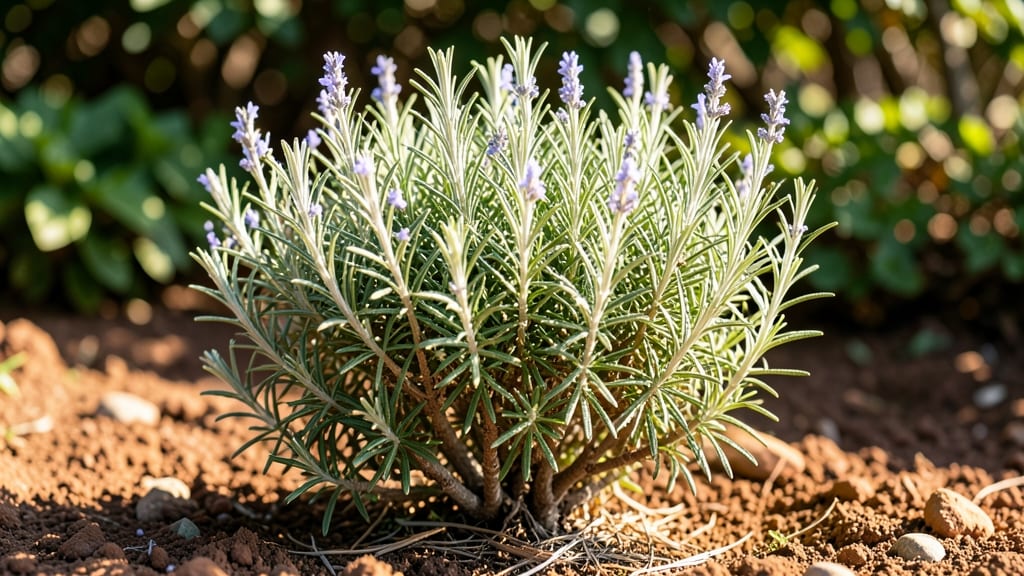
Growing rosemary bushes transforms your garden into a fragrant haven that thrives year-round. 🌿 I’ve learned the hard way that rosemary needs full sun and well-draining soil to avoid woody stems and stunted growth—two mistakes that nearly killed my first plant.
The secret lies in mimicking its Mediterranean roots with bright light, minimal fuss, and occasional pruning to keep it bushy and productive.
Start with a sunny spot that gets at least 6-8 hours of direct sunlight daily, and mix coarse sand or perlite into your soil to prevent soggy roots. Water deeply but infrequently—rosemary despises wet feet—so let the top inch dry out between waterings.
A 3-gallon pot works for containers, while in-ground plants need 3-4 feet of spacing to prevent overcrowding and disease.
By summer, you’ll be snipping fresh sprigs for cooking or arranging them in pots, their piney aroma filling the air. Prune lightly after harvests to encourage bushier growth, and in winter, protect young plants with mulch or move containers indoors near a sunny window.
The payoff? A perennial herb that keeps giving for years with almost no effort.
Pair rosemary with lavender, thyme, or sage for a low-maintenance Mediterranean border, or let it sprawl as a fragrant hedge. The key is patience—rosemary grows slowly but rewards you with year-round greenery and a kitchen staple that’s impossible to buy fresh. Let’s get those roots established!
📚 In This Guide
- What you need
- Instructions
- Tips and common mistakes
- Wrapping up and next steps
What you need
- ● Rosemary plant: Choose between: Nursery-grown rosemary bush (6–12 inches tall, hardy varieties like Rosmarinus officinalis)
- ● Seeds (slower to grow but rewarding for variety lovers)
- ● Hardwood cuttings (6–8 inches long, from a healthy rosemary bush)
- ● Well-draining soil: 5–10 gallons of cactus/succulent mix or sandy loam (avoid heavy clay)
- ● Pot or garden bed: For containers: 1–2 gallon pot (minimum 12 inches deep) with drainage holes
- ● For in-ground planting: Full sun spot (6+ hours/day) with loose, rocky soil
- ● Gravel or perlite: 1–2 cups (for improving drainage in pots)
- ● Watering can or hose: With a gentle spray nozzle (rosemary hates soggy roots!)
- ● Pruning shears: Sharp, sterilized shears (for trimming and shaping)
- ● Organic fertilizer: Balanced 10-10-10 or slow-release granular (1 tbsp per plant, 2x/year)
- ● Mulch: Gravel or pine straw (to retain moisture and deter weeds)
- ● Rooting hormone: (For cuttings—speeds up root growth!)
- ● Grow lights: (If growing indoors with <6 hours of sunlight)
- ● Epsom salt: (Occasional foliar spray for magnesium boost)
- ● Compost or worm castings: (For nutrient-rich soil amendments)
Step-by-Step instructions for growing a thriving rosemary bush
Here's the method I've perfected for cultivating a robust, fragrant rosemary bush that thrives year-round.
🪴 Step 1: Select the Right Location and Container
Rosemary demands full sun exposure—at least 6-8 hours daily—so choose a south-facing spot or the sunniest area available. If growing in containers, select pots with drainage holes and a minimum depth of 12 inches to accommodate the plant's deep root system. I prefer terra cotta because it breathes and helps regulate soil moisture.
For in-ground planting, ensure the soil drains well—rosemary hates soggy roots. Amend heavy soil with sand or grit to improve drainage. If you're planting multiple bushes, space them 3-4 feet apart to allow for air circulation and future growth. The key here is replicating its Mediterranean native conditions as closely as possible.
🌱 Step 2: Plant Your Rosemary with Proper Technique
Fill your container or prepared garden bed with well-draining potting mix mixed with perlite or coarse sand. Dig a hole just deep enough to accommodate the root ball of your rosemary plant, ensuring the top of the root ball sits even with the soil surface. Gently remove the plant from its nursery pot and loosen any circling roots.
Place the rosemary in the hole and backfill with soil, pressing lightly around the base to eliminate air pockets. Water thoroughly immediately after planting to help settle the soil and encourage root contact. Avoid overwatering now—rosemary is drought-tolerant once established, and too much moisture can suffocate the roots. You'll know you've done it right when the soil feels moist but not waterlogged.
☀️ Step 3: Master Watering and Sunlight Balance
Rosemary thrives on neglect once established, but proper watering is critical during the first year. Water deeply every 7-10 days, allowing the top 2 inches of soil to dry out completely between waterings. Overwatering is the fastest way to kill rosemary—it's far better to underwater than overwater. In containers, you'll need to water more frequently than in-ground plants.
Monitor the plant's response to sunlight. If you notice new growth stretching toward the light or leaves becoming pale, your rosemary needs more sun. Conversely, if leaves turn yellow or brown at the edges, it might be getting too much direct sun—especially in hot climates. A slight adjustment in position can make all the difference. The ideal rosemary leaf is deep green, aromatic, and firm to the touch.
✂️ Step 4: Prune for Shape and Health
Pruning isn't just about shaping—it's essential for encouraging bushier growth. The best time to prune is in early spring before new growth begins. Use clean, sharp pruners to trim back 1/3 of the plant's height, cutting just above a leaf node. This encourages branching and prevents the plant from becoming leggy. Avoid heavy pruning in fall or winter, as rosemary needs its foliage to protect it from cold.
Throughout the growing season, pinch off any flower buds that appear. While rosemary flowers are pretty, they divert energy from leaf production. You'll know you're pruning correctly when you see new growth emerging from the sides of the plant within 4-6 weeks. Regular pruning also helps maintain that signature woody aroma—always a sign of a healthy plant.
🌿 Step 5: Overwintering for Year-Round Success
Rosemary is evergreen but needs protection in colder climates. If you're in USDA zones 7 and below, move container-grown rosemary to a sheltered location before the first frost. For in-ground plants, mulch heavily around the base with straw or pine needles to insulate the roots. In containers, reduce watering significantly in winter, allowing the soil to dry out more between waterings.
Here's the thing—rosemary can handle light freezes, but prolonged cold or wet soil will kill it. If you're in a harsh winter zone, consider growing rosemary in containers so you can move it to a garage or unheated shed during extreme cold. With proper winter care, your rosemary will reward you with fresh, fragrant leaves year-round—ready to harvest whenever you need that signature herbal aroma.
Tips & tricks for perfect rosemary growth
Here's what I've learned after nurturing rosemary bushes for years—these details make all the difference between a struggling plant and a thriving, fragrant beauty.
The Sunlight Secret: While 6-8 hours of sun is ideal, rosemary can actually handle up to 10 hours in hot climates—just watch for leaf scorch. In summer, I move my container-grown bushes to partial shade during peak afternoon sun (2-5 PM) to prevent browning while still getting plenty of morning light. The key is observing your plant's response: if leaves develop crispy edges, it's getting too much direct sun.
Soil Science: The drainage mix in Step 2 is non-negotiable—rosemary roots rot faster than they grow in soggy conditions. I like to add a 25% perlite-to-soil ratio by volume for container plants. For in-ground planting, test your soil's drainage by digging a hole, filling it with water, and timing how long it takes to drain. If it takes more than 30 minutes, amend with additional sand or grit as mentioned in Step 1.
Watering Wisdom: The 7-10 day watering schedule assumes average temperatures. In summer heat (above 85°F), I water every 5-7 days instead, checking soil moisture by sticking my finger 2 inches deep—if it's completely dry, it's time. For winter care, I reduce to every 14-21 days, letting the soil dry out more between waterings. The plant's natural drought tolerance kicks in once established, so don't be afraid to underwater slightly—rosemary will forgive you more than it will overwatering.
Pruning Payoff: When you trim back 1/3 of the plant in early spring, focus on cutting just above leaf nodes where new growth emerges. I use clean pruners and make cuts at a 45-degree angle to prevent water from pooling. For container plants, this aggressive pruning actually encourages denser growth within those 4-6 weeks. Save any trimmings—dried rosemary sprigs make excellent potpourri or can be frozen in olive oil for later use.
Pro Tips for Grow A Rosemary Bush
- Here's what I've learned after nurturing rosemary bushes for years—these details make all the difference between a struggling plant and a thriving, fragrant beauty.
- The Sunlight Secret: While 6-8 hours of sun is ideal, rosemary can actually handle up to 10 hours in hot climates—just watch for leaf scorch.
- Soil Science: The drainage mix in Step 2 is non-negotiable—rosemary roots rot faster than they grow in soggy conditions.
Frequently asked questions
Got questions about growing your rosemary bush?
You’re not alone! Here are answers to the most common queries to help you cultivate a thriving, fragrant plant with ease.
How long does it take for rosemary to grow from seed?
Patience is key! Rosemary grown from seed can take 6–12 months to mature enough for harvest. For faster results, opt for nursery-grown plants—they’ll reward you with fragrant sprigs in just 3–6 months. If you’re eager for flavor, starting with cuttings from an existing bush is the quickest route (ready in 2–3 months).
Can rosemary survive winter in cold climates?
Rosemary is a tender perennial in zones 8–11, but don’t worry—it can handle light frost! In colder areas (zones 7 or below), mulch heavily with straw or pine needles, and wrap the base in burlap for extra protection. If temps dip below 15°F (-9°C), consider potting your bush and moving it indoors near a sunny window. With care, it’ll bounce back in spring!
Why is my rosemary turning yellow or brown?
Yellowing leaves often signal overwatering (rosemary hates soggy roots!), while brown tips usually mean underwatering or low humidity. Check your soil—it should be dry to the touch before watering again. If leaves are crispy, trim the damaged parts and adjust your watering schedule. Mulch lightly to retain moisture without suffocating the roots.
Can I grow rosemary indoors year-round?
Place your rosemary bush in a sunny south-facing window or under grow lights (12+ hours/day). Use a well-draining pot (terracotta works great) and water sparingly—indoor air is drier, so aim for every 1–2 weeks once established. Prune regularly to encourage bushier growth, and enjoy fresh herbs for cooking anytime!
How do I harvest rosemary without killing the plant?
Harvest sparingly but often—snip 1/3 of the plant’s growth at a time, focusing on the outer stems to encourage new growth. Use clean scissors or pruners, and avoid cutting into woody stems. For best flavor, harvest just before the plant flowers. Pro tip: Hang bundles upside down in a dry, dark place to preserve the fragrance for weeks!
Wrapping up and next steps
Growing a thriving rosemary bush is simpler than you think—just sunlight, well-draining soil, and a little patience! 🌿 With the right care, you’ll enjoy its fragrant foliage and culinary benefits year-round.
Whether you’re a beginner or a seasoned gardener, this aromatic herb is a rewarding addition to your garden or kitchen.
Now that you’re armed with the know-how, take the next step—plant your rosemary today! Start small with a single bush, experiment with varieties, or even share cuttings with fellow plant lovers. Happy growing! 🌱