
How To
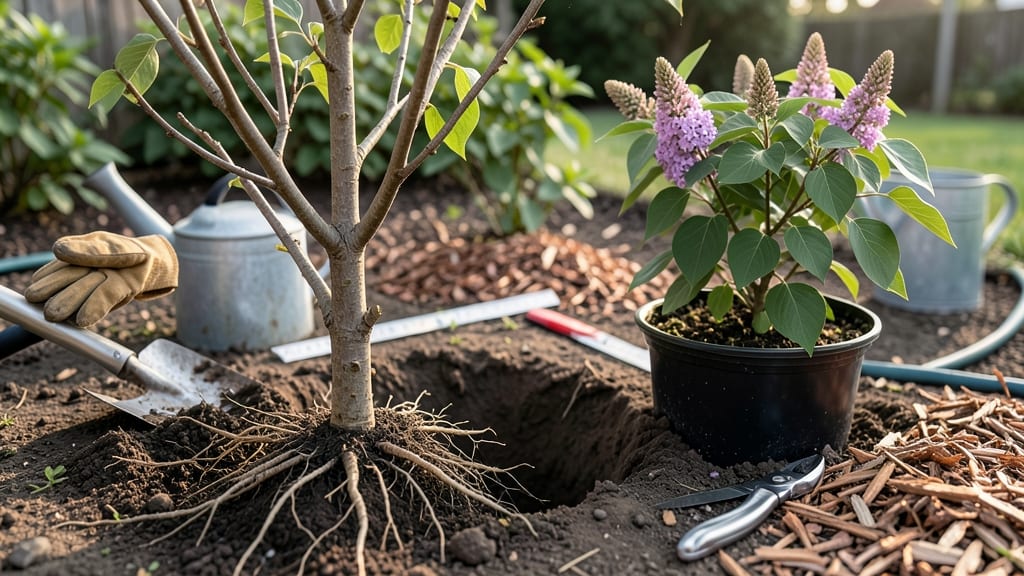
How to transplant lilac bushes might seem risky, but I’ve moved mine twice without losing a single bloom—here’s how to do it right. 🌸 The key is timing: early spring or fall when roots are active but the plant isn’t stressed by heat or drought. Most people wait too late, and that’s when wilting happens.
Start by digging a hole twice as wide as the lilac’s root ball, then prune back one-third of the oldest stems to encourage fresh growth. Water deeply the day before moving, and wrap the roots in burlap if they’re exposed for more than 30 minutes.
After planting, mulch heavily to keep roots cool and moist—this is what saves them from shock.
📚 In This Guide
- What you need
- Instructions
- Tips and common mistakes
- Wrapping up and next steps
What you need
- ● Pruners or shears – Sharp, clean pair to trim roots and stems (sterilize with rubbing alcohol first!).
- ● Shovel or spade – A digging spade (18-24" wide) works best for extracting roots without damage.
- ○ Garden fork or root pruner – Helps loosen compacted soil around roots (optional but helpful for mature bushes).
- ● Wheelbarrow or tarp – To transport soil and the bush (a 5-gallon bucket works for small transplants).
- ● Garden hose or watering can – With a gentle spray nozzle to avoid disturbing soil.
- ● Compost or well-aged manure – 5-10 lbs per bush to enrich the new planting hole.
- ○ Mulch (optional but recommended) – 2-3 inches of shredded bark or wood chips to retain moisture.
- ● Timing – Transplant on a cool, cloudy day (early spring or fall) to minimize stress.
- ● New planting site – Choose a spot with full sun (6+ hours/day) and well-draining soil (pH 6.0–7.0).
- ○ Soil test kit (optional) – Check nutrient levels and amend as needed (lilacs thrive in slightly alkaline soil).
- ○ Staking materials (optional) – 3-4 bamboo stakes + twine if the bush is tall or top-heavy.
Step-by-Step instructions for transplanting lilac bushes
Moving lilacs takes patience and timing—do it right, and they’ll reward you with decades of fragrant blooms.
🪴 Step 1: Choose the Right Time and New Location
Lilacs thrive when transplanted in early spring or fall, when temperatures are mild and roots can establish before extreme heat or cold. Avoid moving them during flowering—they’ll focus energy on blooms instead of root growth, and you’ll lose next year’s flowers. Pick a spot with full sun (6+ hours daily) and well-draining soil; lilacs hate soggy roots.
Dig a hole twice as wide as the lilac’s root ball but only as deep as the root system. The top of the root ball should sit 1 inch above ground level—burying it too deep suffocates the plant. I always mark the original depth with a stick before digging up the bush so I can replicate it in the new spot.
✂️ Step 2: Prune and Prepare the Lilac for Moving
Two weeks before transplanting, prune the bush back by one-third to reduce stress. Cut just above outward-facing buds to encourage bushier regrowth. This also lightens the plant so you’re not wrestling a heavy, root-bound clump. Avoid pruning right before moving—it adds unnecessary shock.
On transplant day, water the lilac deeply the night before to hydrate the roots. This helps them survive the shock of being uprooted. If the lilac is large, consider renting a transplanting spade—it lets you dig around the root ball cleanly without damaging stems. I’ve seen people try to dig too close, and the plant topples over like a felled tree.
🌱 Step 3: Dig Up and Transport the Lilac Carefully
Dig a trench around the lilac’s drip line (the edge of its canopy) to loosen the soil. Work the spade 6-8 inches deep and 12 inches out from the trunk to avoid cutting roots. Once the root ball is exposed, lift it straight up—don’t tug or twist, or you’ll tear roots. Wrap the root ball in burlap or a tarp and secure it with twine if transporting more than a few feet.
Keep the root ball moist but not soggy during transport. If you’re moving it a long distance, place it in a wheelbarrow or dolly and cover it with a damp towel. Direct sunlight or wind will dry it out, and dry roots struggle to re-establish. I’ve seen people rush this step, and the lilac arrives at its new home already stressed—don’t let that be you.
💧 Step 4: Plant and Water for Immediate Recovery
Lower the lilac into the prepared hole, ensuring the root ball sits level with the surrounding soil. Backfill with the native soil you removed, tamping gently as you go to eliminate air pockets. Water deeply to settle the soil and encourage root contact. The top inch of soil should feel moist but not muddy—lilacs hate waterlogged conditions.
Mulch the base with 2-3 inches of organic mulch (like shredded bark), keeping it 6 inches away from the trunk to prevent rot. Water every 2-3 days for the first two weeks, then taper to once a week unless your area experiences extreme heat. You’ll know it’s working when new leaves appear within 4-6 weeks—that’s your signal the roots have taken hold.
☀️ Step 5: Support and Maintain for Long-Term Success
Stake the lilac if it’s tall or top-heavy, especially in windy areas. Use two stakes on opposite sides and tie the stems loosely with soft fabric strips—not wire, which can cut into the bark. Avoid heavy pruning for the first year; let the plant focus on root growth. If you see yellowing leaves, it’s usually a sign of overwatering or poor drainage—adjust your care immediately.
After the first year, resume normal lilac care: prune in late winter, fertilize in early spring, and watch for pests like aphids. Lilacs are tough once established, but the first year is critical. If you follow these steps, your transplanted lilac will bloom just as beautifully as it did in its original home—maybe even better, now that it’s in the perfect spot for you.
Tips & tricks for stress-free lilac transplanting
Here's what nobody tells you about moving lilacs—these tricks will save you headaches and keep your bush thriving.
Timing is Everything: Early spring or fall is non-negotiable for lilac transplanting, but within those seasons, aim for days with 50-60°F temperatures and overcast skies. Hot, sunny days cause transplant shock—roots dry out faster when exposed. I've seen people move lilacs on warm spring days and watch them wilt within weeks. If you must transplant during peak summer or winter, work during the coolest part of the day and provide extra shade for the first week.
Root Ball Rescue: When digging around your lilac's root ball in Step 3, look for any roots growing outward from the main root system. These are called "suckers" and should be trimmed back to 6-8 inches before transplanting. Leaving them too long creates competition for nutrients and can stress the plant. I always use pruning shears to cleanly cut these roots—it's less messy than pulling them by hand and prevents damage to the main root ball.
Watering Wisdom: The two-week watering schedule in Step 4 is critical, but don't rely solely on a calendar. Instead, check the soil moisture by pushing your finger 2 inches deep into the soil. If it feels dry at that depth, water immediately. Overwatering is just as harmful as underwatering—lilacs hate soggy roots. I keep a small trowel handy to check moisture levels every few days during the first two weeks after transplanting.
Mulch Matters: That 2-3 inches of organic mulch in Step 4 isn't just decoration—it's insulation. Spread it evenly but keep it 6 inches away from the trunk to prevent rot. For extra protection during the first winter after transplanting, consider adding 4-6 inches of mulch in late fall. This helps regulate soil temperature and retains moisture during dry spells. I've seen transplanted lilacs survive harsh winters with this extra protection, while others without it struggle.
Pro Tips for Transplant Lilac Bushes
- Here's what nobody tells you about moving lilacs—these tricks will save you headaches and keep your bush thriving.
- Timing is Everything: Early spring or fall is non-negotiable for lilac transplanting, but within those seasons, aim for days with 50-60°F temperatures and overcast skies.
- Root Ball Rescue: When digging around your lilac's root ball in Step 3, look for any roots growing outward from the main root system.
Frequently asked questions
Got questions about transplanting your lilacs? You’re not alone! Here are some of the most common concerns—and their stress-free solutions.
When is the best time to transplant lilac bushes?
The ideal window is early spring (before buds swell) or fall (after blooming, 4–6 weeks before frost). Avoid transplanting in summer heat or winter cold—your lilacs will thank you with fewer shock symptoms and faster root establishment.
How long does it take for a transplanted lilac to recover?
Patience is key! Most lilacs show signs of recovery in 6–12 months, but full vigor may take 2–3 years. Focus on deep watering (1–2 inches per week) and mulching to speed up root growth. Prune lightly in the first year to reduce stress.
What if my lilac leaves turn yellow or wilt after transplanting?
Yellowing or wilting is often a sign of transplant shock. Check for:
- Underwatering (lilacs hate soggy roots—drainage matters!)
- Overpruning (avoid heavy cuts during transplant)
- Root damage (gentle handling = happier roots)
Can I transplant a lilac bush that’s already blooming?
Not ideal! Blooming lilacs are energy-focused on flowers, not roots. Wait until after the blooming season (fall) or prune spent flowers immediately to redirect energy to root growth. If you must move it now, expect delayed blooms next year.
What’s the best way to divide a large lilac bush for transplanting?
For overgrown lilacs, dig around the base and gently separate into 3–4 foot sections, ensuring each has roots and buds. Use a sharp spade to cut through congested roots—avoid tearing. Replant divisions immediately or keep them in pots with moist soil until spring.
Wrapping up and next steps
Transplanting lilac bushes doesn’t have to be stressful—with the right timing, tools, and care, you’ll give your fragrant beauties a fresh start for years of vibrant blooms. 🌸 Remember to water deeply, prune wisely, and choose the perfect spot to set them up for success.
Now that you’re armed with the know-how, grab your gloves and get ready to transform your garden!
💡 Next step: Mark your calendar for early fall or late winter—your lilacs will thank you with lush growth and show-stopping flowers!