
Planting
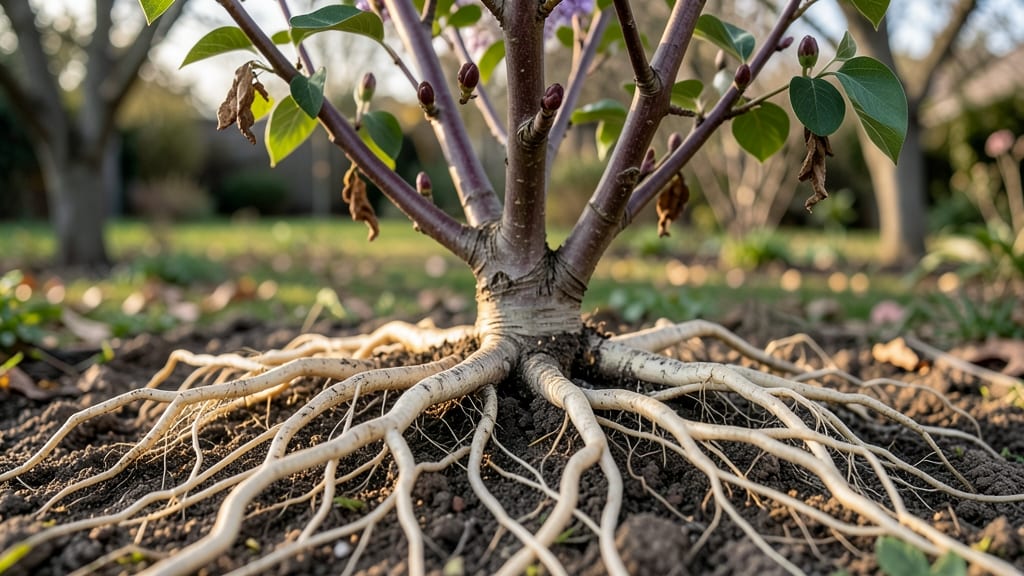
Understanding your lilac bush’s root system is the game-changer that separates thriving plants from struggling ones—here’s how those hidden layers actually work. 🌱 Most gardeners focus on pruning the top growth, but the real magic happens below ground where fibrous roots spread wide and shallow while a modest taproot anchors the plant.
This dual system explains why lilacs tolerate drought better than they handle soggy soil or deep digging near the trunk.
Those fibrous roots stretch 2-3 feet outward from the trunk, so planting too close to sidewalks or driveways means future root competition. The taproot dives only 18-24 inches deep, which is why mulching lightly (2-3 inches) protects roots from summer heat while keeping moisture right where it’s needed.
When transplanting, you’ll want to dig a hole wide enough to accommodate that spread—never deeper than the root ball was in its original pot.
📚 In This Guide
- What you need
- Instructions
- Tips and common mistakes
- Wrapping up and next steps
What you need
- ● Lilac bush (1-3 plants): Choose a healthy, Syringa vulgaris variety with bare roots or container-grown roots.
- ● Shovel or trowel: A 6-8 inch digging tool for precise root placement.
- ○ Garden fork: For aerating heavy or compacted soil (optional but helpful for root penetration).
- ● Compost or well-aged manure (5-10 gallons): Enhances soil fertility and root health.
- ● Organic mulch (2-3 inches): Use shredded bark, straw, or wood chips to retain moisture and regulate soil temperature.
- ● Slow-release fertilizer (10-20-10 NPK ratio): 1-2 cups per plant to support early root growth.
- ● Watering can or hose with a gentle spray nozzle: For deep, even watering without disturbing roots.
- ● Garden gloves: Protect your hands from thorns and soil-borne pathogens.
- ● Measuring tape or ruler: Ensures proper spacing (6-10 feet between plants).
- ● Root stimulator (mycorrhizal fungi or seaweed extract): Speeds up root establishment (mix 1 tbsp per gallon of water).
- ● Soil pH test kit: Lilacs thrive in neutral to slightly alkaline soil (6.0-7.5).
- ● Pruning shears: For trimming damaged roots or shaping the bush post-planting.
- ● Drip irrigation system: Automates consistent moisture for young roots.
- ● Epsom salt (magnesium sulfate): 1 tbsp per foot of plant height to prevent yellowing leaves.
- ● Soil conditioner (perlite or vermiculite): Improves drainage in clay-heavy soils.
How to understand and encourage a healthy lilac bush root system
Here's how I've learned to nurture lilacs from the ground up—because strong roots mean vibrant blooms.
🌱 Step 1: Choose the Right Planting Site for Root Development
Lilacs thrive where roots can spread freely, so pick a spot with 6+ hours of sunlight and well-draining soil. I always dig a hole twice as wide as the root ball but only as deep—planting too deep suffocates roots and causes stress. The top of the root ball should sit 1-2 inches above ground level to prevent rot.
Test drainage by digging a 12-inch deep hole and filling it with water. If it drains in under an hour, the site is perfect. Poor drainage leads to root rot, and you'll see wilting leaves even when watered properly. Amend heavy clay soil with 2-3 inches of compost mixed into the bottom of the hole.
🪴 Step 2: Prepare the Soil for Optimal Root Growth
Lilac roots need loose, aerated soil to branch outward. I blend equal parts garden soil, compost, and coarse sand (or perlite) to create the ideal mix. This prevents compaction and encourages roots to spread 3-4 feet wide over time—critical for stable plants.
Spread a 2-inch layer of mulch (wood chips or shredded bark) around the base, keeping it 6 inches away from the stem to prevent moisture buildup. Mulch regulates soil temperature and retains moisture, but too much smothers roots. Replenish mulch annually—roots will push through old mulch and struggle to access nutrients.
☀️ Step 3: Water Deeply to Stimulate Root Expansion
After planting, water deeply once a week (or more in extreme heat) to encourage roots to grow downward. Shallow watering creates weak, surface roots that dry out quickly. I use a soaker hose for 30 minutes to saturate the soil to 12 inches deep—you'll know it's right when water pools slightly at the surface but drains within an hour.
Lilacs are drought-tolerant once established, but young plants need consistent moisture. Avoid overhead watering—it spreads disease. Instead, water at the base and watch for yellowing leaves, which signal either overwatering or underwatering. Roots should stay moist but never soggy.
⏰ Step 4: Prune Strategically to Support Root Health
Prune lilacs right after flowering (late spring) to avoid cutting off next year's buds. Remove 1/3 of the oldest stems at the base to redirect energy to new growth and deeper roots. I also trim back any crossing branches—this opens the center for airflow and prevents fungal issues that weaken roots.
Never prune in fall or winter. Lilacs bloom on old wood, and late pruning removes next year's flowers. After pruning, apply a balanced fertilizer (10-10-10) around the drip line—this feeds roots without burning foliage. You'll see stronger stems and more abundant blooms the following spring.
🌿 Step 5: Monitor and Protect the Root System Long-Term
Inspect the base of the plant annually for heaving roots (roots pushing soil up around the stem). This happens when roots freeze and thaw or when soil compacts. Gently firm soil around the base to stabilize the plant. If roots are exposed, cover them with 1 inch of fresh mulch to protect from temperature swings.
Watch for aphids or borers—these pests weaken roots by sapping nutrients. Treat infestations immediately with neem oil or insecticidal soap. Healthy roots mean fewer pest problems, and you'll notice fewer chewed leaves or sawdust-like frass (insect droppings) around the base.
Tips & tricks for perfect lilac root development
These simple but powerful strategies will help you cultivate a thriving lilac bush with roots that support years of vibrant blooms.
Soil Depth Matters: When planting, resist the urge to bury the root ball too deeply. The top should sit 1-2 inches above ground level—this prevents suffocation and allows roots to breathe. I've seen many gardeners plant too deep, which causes stress and weakens the plant's ability to establish properly. The wider hole (twice as wide as the root ball) is just as important—it gives roots room to spread outward naturally.
Drainage Test is Non-Negotiable: That 12-inch deep drainage test is worth repeating—it's the only way to guarantee you're not setting up your lilac for root rot. If water pools for more than an hour, amend the soil with 2-3 inches of compost mixed into the bottom of the hole. Clay soil is especially problematic, so don't skip this step even if your site seems perfect at first glance. I learned this the hard way after losing two lilacs to waterlogged roots.
Mulch Like a Pro: The 2-inch layer of mulch should be placed carefully—keep it 6 inches away from the stem to prevent moisture buildup that can cause rot. I recommend using wood chips or shredded bark, which break down slowly and improve soil structure over time. Replenish annually because old mulch can actually smother emerging roots as they try to push through. Think of it as creating a protective blanket that regulates temperature without suffocating growth.
Watering Wisdom: Those 30 minutes with a soaker hose are crucial for establishing deep roots. You'll know you've done it right when water pools slightly at the surface but drains within an hour. This deep watering encourages roots to grow downward where they'll find stability. Shallow watering creates weak surface roots that dry out quickly—something I've seen too often in newly planted lilacs that didn't get proper initial care.
Pro Tips for Lilac Bush Root System
- These simple but powerful strategies will help you cultivate a thriving lilac bush with roots that support years of vibrant blooms.
- Soil Depth Matters: When planting, resist the urge to bury the root ball too deeply.
- Drainage Test is Non-Negotiable: That 12-inch deep drainage test is worth repeating—it's the only way to guarantee you're not setting up your lilac for root rot.
Frequently asked questions
Got questions about lilac bush root systems? You’re not alone! Here are some of the most common concerns—plus straightforward answers to help you nurture healthy, thriving lilacs.
How deep do lilac bush roots grow?
Lilac roots typically spread 12–18 inches deep but can extend up to 3–5 feet wide over time. They thrive in well-draining soil, so avoid compacting the top 6–12 inches when planting. Mulch lightly (2–3 inches) to protect shallow feeder roots while keeping them cool.
When is the best time to prune lilac roots or transplant?
Prune lilac roots (or transplant) in early spring (March–April) or late fall (October–November). Avoid summer heat or winter frost—roots need time to recover. If dividing, do it in spring for best regrowth. Water deeply 1–2 weeks before transplanting to reduce shock.
Why are my lilac leaves yellowing? Could it be root issues?
Yellow leaves often signal root stress, like overwatering, poor drainage, or root-bound conditions. Check for:
- Soggy soil (lilacs hate "wet feet")
- Compacted roots (gently loosen soil if planted in a pot)
- Fungal issues (like root rot—prune affected areas and improve drainage)
Can I grow lilacs in containers? What’s the root system like?
Yes! Lilacs adapt well to large containers (15+ gallons), but their roots will stay shallower than in-ground plants. Use a fast-draining mix (60% soil, 30% compost, 10% perlite) and repot every 3–4 years. Choose dwarf varieties like ‘Miss Kim’ for smaller spaces.
Do lilac roots need winter protection?
In Zone 5 or colder, mulch roots with 4–6 inches of straw or shredded leaves after the ground freezes (late fall). Avoid piling mulch against the trunk—keep it 3–4 inches away to prevent rot. Lilacs are hardy, but young roots benefit from this extra insulation.
What’s a good alternative if my lilac roots struggle in clay soil?
If your soil is heavy clay, try these root-friendly swaps:
- ‘Dwarf Korean Lilac’ (Syringa meyeri) – Compact roots, thrives in containers.
- Butterfly Bush (Buddleia) – Deep roots, drought-tolerant, and attracts pollinators.
- Weigela – Fast-growing, handles poor soil better than lilacs.
Wrapping up and next steps
Understanding your lilac bush’s root system is the secret weapon for thriving, fragrant blooms year after year! 🌿 From shallow lateral roots to deep taproots, each layer plays a vital role in stability and nutrient absorption.
With the right soil prep, pruning know-how, and a little patience, you’re well on your way to cultivating a hardy, long-lived lilac that becomes the star of your garden.
Ready to put your newfound knowledge into action? Start by assessing your lilac’s roots this season—whether it’s planting a new sapling or reviving an older bush. Happy gardening! 🌸