
Pruning
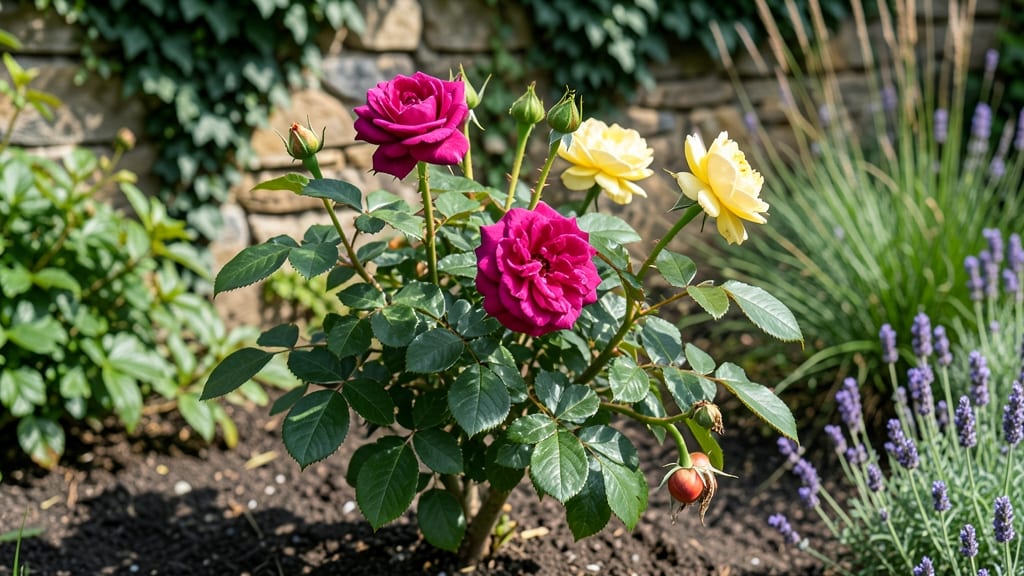
A huge rose bush starts with the right variety and three strategic pruning sessions that turn tangled canes into a blooming powerhouse. 🌹 I learned the hard way that roses don’t grow big by accident—they need bold cuts, rich soil, and a little seasonal TLC.
The payoff? A bush so lush it becomes the centerpiece of your garden, with blooms from spring through frost. The secret isn’t just pruning—it’s timing. Cut back in late winter to shape the structure, mid-summer to encourage new growth, and early fall to prep for winter.
Pair that with 6 inches of composted soil and deep watering twice a week, and you’ll see canes thicken and flowers multiply. Most gardeners over-prune or skip seasonal care, which is why their roses stay small and sparse.
By year two, your bush will be 6+ feet wide with stems as thick as your wrist, producing dozens of blooms per season. The fragrance alone—sweet, heavy, and intoxicating—will draw neighbors to your fence. And the best part? These techniques work for climbing roses, floribundas, and hybrid teas alike.
Avoid the mistakes that stunted my first bush: pruning too late in spring (delays blooms), using sharp tools (saves time and prevents disease), and skipping mulch (keeps roots cool in summer). With these adjustments, your rose won’t just survive—it’ll dominate the garden like a queen.
📚 In This Guide
- What you need
- Instructions
- Tips and common mistakes
- Wrapping up and next steps
What you need
- ● Pruning shears (bypass pruners): 1 pair, with sharp, clean blades (1/4" to 3/8" opening). Pro tip: 💡 Avoid anvil pruners—they crush stems, which can harm your rose.
- ● Loppers: 1 pair, with a long handle (24-36") for thicker branches (up to 2" diameter).
- ● Pruning saw: 1, for thick, woody stems (2"+ diameter). Choose a curved blade for smoother cuts.
- ● Disinfectant (rubbing alcohol or 10% bleach solution): Small bottle or spray to sterilize tools between cuts and prevent disease spread.
- ● Gloves: 1 pair of cut-resistant, breathable garden gloves (size medium or large).
- ● Sharpie or permanent marker: 1, for marking branches you plan to remove.
- ● Heavy-duty trash bags or bucket: 1-2, for hauling pruned branches away from the bush.
- ○ Pruning sealant (optional but helpful): Small tube of tree wound pruning paste to coat large cuts (1" diameter or wider).
- ● Extension pole: For hard-to-reach branches (10-12' adjustable pole with pruner attachment).
- ● Knee pads or cushion: For comfort if you’re on the ground for long periods.
- ● Garden hose with spray nozzle: To clean tools post-pruning or rinse off sap.
- ● Notebook & pencil: To track trimming dates and notes on your rose’s progress.
- ● Safety glasses: 1 pair, to protect eyes from debris.
- ● Check the weather forecast—aim for a dry, mild day (50-70°F) to minimize stress on your rose.
- ● Wear long sleeves and pants to avoid scratches from thorns.
- ● Have a clear plan for your trims (refer to our 3-key trims guide!).
- ● Ensure your rose bush is healthy and disease-free before pruning. Treat any issues first!
Instructions for year-round rose bush abundance
Here's how I transform ordinary roses into lush, blooming giants—no magic, just precise timing and technique.
✂️ Step 1: Late Winter Pruning for Structure
Start when forsythia blooms in your area, signaling late winter (typically February-March). I cut back 1/3 of the oldest canes to the ground—these are the thick, woody stems that no longer produce well. Use sharp bypass pruners to make clean cuts at a 45-degree angle, just above an outward-facing bud.
Remove any dead, diseased, or crossing branches first. You'll notice how the center opens up immediately—this prevents crowding and improves airflow. Afterward, shape the bush by cutting back remaining canes to 18-24 inches tall, leaving 5-7 buds per stem. This ensures strong new growth while maintaining the bush's natural form.
☀️ Step 2: Mid-Season Deadheading and Fertilizing
Once blooms fade, deadhead immediately by cutting back to the first 5-leaflet leaf below the spent bloom. This redirects energy to new growth instead of seed production. I do this every 2 weeks during peak bloom season (May-August)—consistency is key to nonstop flowers.
Apply a balanced 10-10-10 fertilizer every 4-6 weeks after pruning, following label rates. Water deeply 1 inch per week (more in extreme heat), keeping soil moist but never soggy. You'll see new buds forming within 2-3 weeks of fertilizing, signaling the plant is thriving.
✂️ Step 3: Fall Cleanup for Winter Hardiness
When daytime temps drop below 60°F (usually October-November), cut back all stems to 12-18 inches tall. Remove any remaining leaves or debris—this prevents fungal diseases like black spot from overwintering. I leave 3-4 inches of stem on each branch to protect dormant buds from freezing.
Mulch heavily with 3-4 inches of organic mulch (like shredded bark) around the base, but keep it 6 inches away from the stem to prevent rot. This insulates roots while allowing airflow. Your bush will look dormant, but it's actually preparing for spring's explosive growth.
🌱 Step 4: Spring Awakening Maintenance
As new growth appears in early spring, apply a high-phosphorus fertilizer (like 5-10-5) to encourage blooming. Remove any dead or weak canes that didn't survive winter. You'll notice fresh, bright green leaves emerging—this is your signal to start light pruning to shape the bush for summer.
Water deeply once weekly during dry spells, focusing on the root zone. Avoid wetting foliage to prevent mildew. With these seasonal trims, your rose bush will reward you with continuous blooms from spring through fall—that's the secret to year-round abundance.
Tips & tricks for perfect rose bush pruning
Transforming your rose bush into a year-round blooming beauty starts with these essential techniques that make all the difference.
The Timing Secret: Watch for forsythia blooms to signal late winter pruning—this is your cue that the bush has entered its dormant phase. I've learned the hard way that cutting too early can stimulate new growth that won't survive late frosts. The February-March window gives you about 6-8 weeks of safe growth before spring's last frost in most climates. Mark your calendar when forsythia blooms in your area for perfect timing every year.
Pruning Precision: When shaping your bush in Step 1, focus on creating an open center by removing crossing branches first. This isn't just about aesthetics—it's about airflow. I've seen roses develop fungal diseases because of poor airflow from crowded centers. After removing the oldest canes, cut remaining stems to 18-24 inches tall, leaving 5-7 buds per stem. Those buds will become next season's blooms, so choose outward-facing ones to maintain the bush's natural shape.
Deadheading Discipline: The 2-week deadheading schedule during peak bloom season is non-negotiable for continuous flowers. Here's what nobody tells you—don't just cut off the dead bloom. Always cut back to the first 5-leaflet leaf below the spent bloom. This redirecting of energy is what keeps your rose bush flowering nonstop from spring to fall. I set a phone reminder every two weeks during May-August to stay consistent.
Winter Protection: In Step 3, when temps drop below 60°F, your fall cleanup becomes winter armor. The 3-4 inches of organic mulch around the base (but 6 inches away from the stem) is crucial—it insulates roots while preventing rot. I've seen roses survive harsh winters with this protection, while unmulched bushes struggled. The key is keeping that mulch layer consistent and checking it after heavy rains to prevent compaction.
Pro Tips for Huge Rose Bush
- Transforming your rose bush into a year-round blooming beauty starts with these essential techniques that make all the difference.
- The Timing Secret: Watch for forsythia blooms to signal late winter pruning—this is your cue that the bush has entered its dormant phase.
- Pruning Precision: When shaping your bush in Step 1, focus on creating an open center by removing crossing branches first.
Frequently asked questions
How often should I prune a large rose bush?
A huge rose bush needs 3 key prunes per year: late winter (before buds swell), early summer (after blooms fade), and light touch-ups post-harvest. Avoid heavy pruning in fall—it invites disease. Focus on removing dead wood, crossing branches, and shaping for airflow. Pro tip: Use sterilized tools to prevent bacterial spread!
Can I prune roses in winter?
Pruning in deep winter (below freezing) is a no-go—it stresses the plant. Instead, wait until late winter (when temps rise above 40°F) to prune. If you’re in a mild climate, prune in early spring before new growth starts. Why? Dormant plants heal slower in cold, and wet conditions spread fungal diseases. Bonus: Prune on a dry, sunny day for the best results!
Why are my rose leaves yellowing or dropping?
Yellow leaves or sudden defoliation often signal pests (aphids, spider mites) or disease (black spot, powdery mildew). Check the underside of leaves for webs or spots. Fix it:
- Pests: Spray with neem oil or insecticidal soap.
- Fungus: Remove infected leaves, improve airflow, and apply copper fungicide.
- Overwatering: Ensure soil drains well—roses hate soggy roots!
What’s the best fertilizer for a giant rose bush?
A huge rose bush craves balanced nutrition. Use a slow-release rose fertilizer (10-10-10 or 5-10-5) in early spring, then switch to a bloom booster (high phosphorus) in summer. Avoid over-fertilizing—it burns roots! Organic options like compost or fish emulsion work too. Pro move: Test soil pH (aim for 6.0–6.5) before fertilizing!
How do I prune roses without killing them?
Pruning mistakes (like cutting too much or at the wrong angle) can harm roses. Follow the 1/3 rule: Never remove more than 1/3 of the bush in one session. Cut at a 45° angle (above a bud facing outward) to encourage growth. Never top roses—it weakens the plant. Safety first: Wear gloves and sanitize tools with rubbing alcohol between cuts!
Wrapping up and next steps
Cultivating a huge, lush rose bush isn’t just about patience—it’s a rewarding journey of care, strategy, and a little creativity! 🌹 By mastering the three key trims (early spring, summer, and late fall), you’ll unlock year-round blooms and a healthier plant.
Remember, every snip is a step toward a thriving garden masterpiece.
Ready to transform your space? Grab your pruners, dust off your gloves, and take that first confident cut—your rose bush will thank you with vibrant blooms and lush growth! For extra inspiration, join a local gardening group or explore advanced techniques to keep learning. Happy pruning!