
Pruning
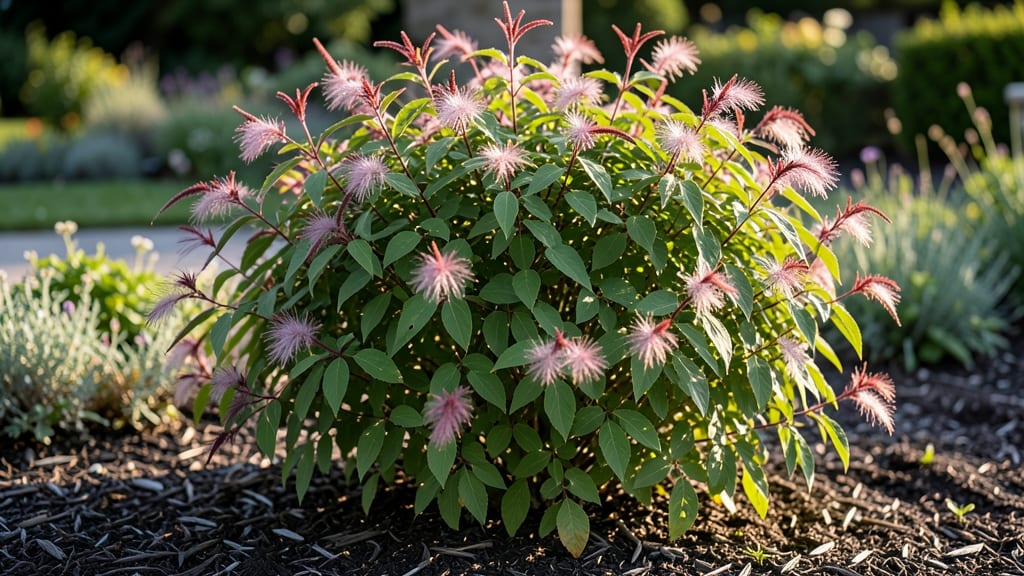
The images of smoke bush Cotinus spp. transform gardens into living art. 🌿 Its wispy plumes and ever-changing foliage—from spring greens to fiery fall reds—create drama that lasts all year.
I’ve used it as a bold focal point, a textured hedge, and even in mixed borders where it steals the show without trying too hard. What makes smoke bush so versatile?
It thrives in full sun or partial shade, handles drought once established, and pairs beautifully with coneflowers, ornamental grasses, and even evergreens. The fragrance? Subtle but undeniable—like a whisper of spice on warm days.
In fall, the foliage turns shades of pink, purple, and gold, extending the season’s interest long after other plants have faded. You’ll love how it softens hard edges while adding height and movement.
Prune lightly in late winter to shape it, but otherwise, let it grow wild for that natural, ethereal look. The plumes catch the light like fairy dust, making it a magnet for photographers and pollinators alike. Whether you’re designing a formal garden or a wild, cottage-style retreat, smoke bush delivers.
It’s the plant that works as hard as it looks—low-maintenance yet impossible to ignore. Let’s bring that drama to your landscape!
📚 In This Guide
- What you need
- Instructions
- Tips and common mistakes
- Wrapping up and next steps
What you need
- ● Smoke bush plants (Cotinus spp.) – Choose between Cotinus coggygria (Royal Purple), Cotinus obovatus (American Smoke Tree), or hybrids. 1-3 plants per 50 sq. ft. for optimal visual impact.
- ○ Well-draining soil – Mix 1 part native soil with 1 part compost (optional: add perlite for sandy areas). pH range: 6.0–7.5.
- ● Pruning tools: Bypass pruners (for clean cuts on 1/4-inch stems)
- ● Loppers (for thicker branches, up to 1-inch diameter)
- ● Hand saw (for stubborn, woody growth)
- ● Gloves & safety goggles – Protect your hands from thorns (some varieties) and debris.
- ○ Mulch (optional but recommended) – 2–3 inches of shredded bark or pine needles to retain moisture and suppress weeds.
- ● Disinfectant (70% isopropyl alcohol or pruning sealant) – Clean tools between cuts to prevent disease.
- ○ String or twine (optional) – For shaping large shrubs (e.g., spiral or cloud pruning techniques).
- ● Plant food (balanced 10-10-10 or slow-release granules) – Apply after pruning to encourage new growth.
How to select and style smoke bush for stunning year-round impact
This is the plant that delivers drama without the fuss—here's how to showcase its signature foliage and fragrance.
🌿 Step 1: Choose the Right Cultivar for Your Climate
Smoke bush thrives in USDA zones 5-8, but your location determines which cultivar will shine. For colder climates, 'Walker's Low' handles -20°F winters with ease, while 'Annabelle' excels in milder zones with bright pink plumes that last all season. I always check the mature height—some varieties grow 6-8 feet tall while others stay compact at 3-4 feet.
Look for plants with deep green, velvety leaves that show no signs of browning or yellowing. The best specimens have a slight sheen when healthy, indicating strong moisture balance. Avoid plants with powdery mildew (white dust on leaves)—this signals poor growing conditions. Your local nursery should have healthy stock if you visit in early spring, just before planting season.
☀️ Step 2: Select the Perfect Planting Location
Smoke bush loves full sun to partial shade, but the best color comes from 6+ hours of direct sunlight daily. I place mine where it gets morning sun and afternoon shade—this prevents leaf scorch while maximizing those signature pink plumes. In hotter climates, afternoon shade is a must to protect the foliage from fading.
Well-draining soil is critical—smoke bush hates soggy roots. If your soil feels heavy when squeezed, amend with 2-3 inches of compost mixed into the top 12 inches of soil. The plant tolerates a range of soil types, but it performs best in slightly acidic to neutral conditions (pH 6.0-7.5). Test your soil before planting to avoid surprises.
🪴 Step 3: Plant for Maximum Visual Impact
Dig a hole twice as wide as the root ball but no deeper—this encourages outward root growth. Gently loosen the roots if they're circling the pot, then place the plant so the top of the root ball sits 1 inch above ground level. Backfill with native soil, pressing lightly to remove air pockets but not compacting too tightly.
Water deeply right after planting to settle the soil and eliminate air gaps. You'll know it's right when the soil looks slightly damp 2 inches below the surface. Mulch with 2-3 inches of organic mulch (like shredded bark) to retain moisture and regulate soil temperature. Keep the mulch 3 inches away from the trunk to prevent rot.
✂️ Step 4: Prune for Shape and Seasonal Interest
Prune smoke bush in late winter or early spring before new growth begins. Remove any dead, diseased, or crossing branches first—this keeps air circulating and prevents fungal issues. Then, shape the plant by cutting back 1/3 of the oldest stems to encourage fresh, vibrant growth from the base.
For a bushier look, trim just above a leaf node at a 45-degree angle. Avoid cutting into old wood—smoke bush responds poorly to severe pruning of mature stems. The result? Lush foliage that turns deep burgundy or copper in fall, followed by those fragrant pink plumes in late summer. Prune again lightly after flowering to maintain shape.
💧 Step 5: Maintain for Year-Round Drama
Water deeply once a week during the first growing season to establish roots, then reduce to every 2-3 weeks once established. Smoke bush is drought-tolerant once mature, but young plants need consistent moisture. You'll know it's thirsty when the leaves start to curl at the edges—this is your cue to water.
Fertilize lightly in early spring with a balanced 10-10-10 fertilizer or compost. Too much nitrogen leads to lush foliage but fewer flowers. Deadhead spent blooms to encourage more plumes, but leave some for winter interest. In colder climates, a 3-inch layer of mulch protects roots from freeze-thaw cycles that can damage the plant.
Tips & tricks for stunning smoke bush displays
Turn your smoke bush into the star of your landscape with these pro tips that enhance its natural beauty year-round.
Cultivar Selection: When choosing between 'Walker's Low' and 'Annabelle', consider your climate's extremes. 'Walker's Low' thrives in colder regions (down to -20°F) and maintains its burgundy foliage beautifully through winter, while 'Annabelle' offers those iconic pink plumes that last all season in milder climates. I always check the mature height at the nursery—compact varieties (3-4 feet) work perfectly for foundation plantings, while taller ones (6-8 feet) create dramatic focal points.
Lighting Strategy: The 6+ hours of direct sunlight mentioned in Step 2 is non-negotiable for vibrant foliage, but here's the secret: position your smoke bush to catch morning sun and afternoon shade. This prevents leaf scorch while maximizing those signature pink plumes. In hotter climates, I've found that providing afternoon shade with a sheer curtain or nearby tree extends the plant's lifespan and keeps the foliage looking fresh longer.
Soil Prep Hack: Before planting, test your soil's pH—smoke bush prefers slightly acidic to neutral (6.0-7.5). If your soil is heavy clay, mix in 2-3 inches of compost into the top 12 inches of soil. This improves drainage while adding essential nutrients. I like to add a handful of organic matter to the planting hole itself—this gives the roots an instant nutrient boost as they establish.
Pruning Pro Tip: When pruning in late winter or early spring (Step 4), focus on removing just 1/3 of the oldest stems. This encourages fresh growth from the base while maintaining the plant's natural shape. For a bushier look, always trim at a 45-degree angle just above a leaf node. Avoid cutting into old wood—smoke bush responds poorly to severe pruning of mature stems, which can lead to dead spots and reduce flowering.
Pro Tips for Images Of Smoke Bush
- Turn your smoke bush into the star of your landscape with these pro tips that enhance its natural beauty year-round.
- Cultivar Selection: When choosing between 'Walker's Low' and 'Annabelle', consider your climate's extremes.
- Lighting Strategy: The 6+ hours of direct sunlight mentioned in Step 2 is non-negotiable for vibrant foliage, but here's the secret: position your smoke bush to catch morning sun and afternoon shade.
Frequently asked questions
Got questions about smoke bush images and how to keep this stunning plant thriving? Here are some of the most common queries—plus quick answers to help you avoid pruning pitfalls and maximize its beauty!
What’s the best time to prune a smoke bush for healthy growth?
Prune your smoke bush after flowering (late spring or early summer) to encourage fresh blooms next season. Avoid heavy cuts in fall or winter, as this can stimulate tender new growth that may freeze. Light shaping in early spring is fine, but never prune during dormancy—it stresses the plant.
How much should I trim back a smoke bush each year?
Remove 10–30% of the plant’s oldest stems annually to maintain shape and airflow. For young bushes, trim just to shape; mature smoke bushes can handle harder cuts (up to ⅓ of the plant) if overgrown. Always use clean, sharp shears to prevent disease.
Why does my smoke bush look leggy or sparse after pruning?
Leggy growth often means too much shade or over-pruning. Ensure it gets 6+ hours of sunlight daily and avoid cutting back more than ⅓ of the plant in one season. If it’s still sparse, fertilize lightly with balanced 10-10-10 in early spring and water deeply during dry spells.
Can I propagate smoke bush from cuttings?
Yes! Take 4–6-inch semi-hardwood cuttings in early summer, dip in rooting hormone, and plant in moist perlite or sand. Keep them warm (70–75°F) and humid under a plastic bag until roots form (4–6 weeks). Transplant once established—just like cloning your favorite bush’s drama!
Do smoke bushes need special care after pruning?
After pruning, water deeply and mulch around the base to retain moisture. Avoid heavy fertilizers immediately—focus on light feeding in spring (like compost or slow-release granules). Monitor for pests (aphids, spider mites) and treat with neem oil if needed. Your bush will reward you with bold foliage and fragrant blooms!
Wrapping up and next steps
From its striking foliage to its delicious fragrance, the Smoke Bush (Cotinus) is a year-round star in any garden. Whether you're drawn to its dramatic plumes or its low-maintenance charm, this plant proves beauty and resilience go hand in hand. 🌿✨
Ready to add a touch of elegance to your outdoor space? Start by choosing your favorite Smoke Bush variety—like 'Royal Purple' or 'Grace'—and get pruning! With the right care, you’ll enjoy its show-stopping colors and scent for seasons to come.