
Shrubs
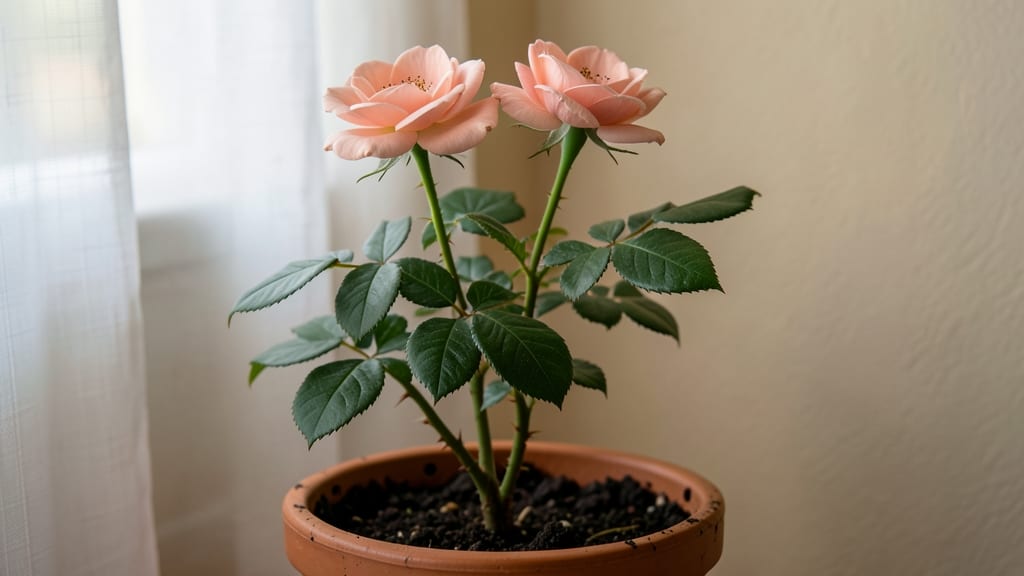
My indoor rose bush care thrives year-round with just 10 minutes of daily attention—no greenhouse needed. 🌹 The secret isn't complicated: it's about light, water, and a little strategic pruning to keep it compact and blooming.
I've had mine produce continuous flowers since last Christmas, and I'll show you exactly how to replicate that success, even if you've killed roses before.
You'll need bright, indirect light (a south-facing window works best), well-draining potting mix, and a watering routine that keeps the soil moist but never soggy. Most people overwater—roses hate wet feet more than they hate thirst.
A humidity tray or occasional misting helps too, especially in winter when indoor air gets dry. The right fertilizer schedule makes all the difference, and I'll walk you through the simple routine that keeps my roses blooming without burning the leaves.
What you'll end up with is a lush, fragrant rose bush that fills your home with jewel-toned blooms and a sweet, old-fashioned scent. The best part? You'll only need to prune once every 3 months to maintain shape and encourage new growth.
No more mysterious wilting or sparse blooms—just reliable, beautiful results that make your indoor garden the envy of the neighborhood.
This works for any indoor space, from sunny sunrooms to north-facing apartments with grow lights. Whether you're dealing with leggy growth, yellowing leaves, or just want to keep your rose bush thriving, we'll troubleshoot the most common issues and keep your plant happy all year long. Let's get started!
📚 In This Guide
- What you need
- Instructions
- Tips and common mistakes
- Wrapping up and next steps
What you need
- ● Indoor rose bush: Choose a compact variety like Rosa 'Knock Out' or Rosa 'Fairy' (dwarf or patio-sized). Ensure it’s healthy with no signs of pests or disease.
- ● Pot: A container with drainage holes (12–18 inches in diameter for mature bushes). Terracotta or ceramic pots work well.
- ● Well-draining potting mix: A blend of 50% peat moss or coconut coir, 30% perlite or vermiculite, and 20% compost (avoid garden soil—it compacts and suffocates roots).
- ● Drainage tray: A shallow tray to catch excess water and prevent root rot.
- ● Watering can with a narrow spout: For precise watering (avoid overhead spraying to prevent fungal diseases).
- ● Balanced liquid fertilizer: A 10-10-10 or 20-20-20 NPK ratio fertilizer (diluted to half-strength). Look for one with micronutrients like iron and magnesium.
- ● Pruning shears: Sharp, clean bypass pruners (sterilize with rubbing alcohol between cuts).
- ● Gloves: Heavy-duty gardening gloves to protect your hands from thorns.
- ○ Grow lights (optional but helpful): A full-spectrum LED grow light (12–16 hours of light daily, especially in winter).
- ● Humidity tray: A pebble tray with water to increase humidity (roses love it!).
- ● Rose food or bloom booster: A specialized fertilizer like Miracle-Gro Rose & Flower Food for extra nutrients.
- ● Root stimulator: A product like Rootone to encourage healthy root growth when repotting.
- ● Support stake or trellis: For climbing varieties or to shape bushier growth.
- ● Fungicide (preventative): Copper-based or neem oil spray to ward off powdery mildew.
- ● Mulch: A thin layer of bark or pine needles to retain moisture and regulate soil temperature.
Step-by-Step guide to indoor rose bush care
Here's how I keep my roses blooming indoors without the fuss—just light, love, and a little strategic trimming.
🌱 Step 1: Select the Right Variety and Container
Not all roses thrive indoors. Miniature roses or patio varieties like 'Bonica' or 'Playboy' adapt best. Choose a container at least 12 inches wide with drainage holes—terracotta pots help wick away excess moisture. I always use a well-draining potting mix (never garden soil) blended with 20% perlite to prevent root rot.
Place your rose in a spot with bright, indirect light near an east or west-facing window. South-facing windows work too, but watch for leaf scorch—you'll see crispy edges if it's too intense. Rotate the pot quarter-turn weekly so growth stays even and the plant doesn't lean toward the light.
☀️ Step 2: Master Light and Temperature Control
Indoor roses need 6-8 hours of direct light daily. If natural light falls short, supplement with a full-spectrum LED grow light positioned 6-12 inches away. I keep mine on a timer for 14 hours/day to mimic natural daylight cycles. Without enough light, stems stretch and leaves pale—watch for those long, leggy growth patterns and adjust immediately.
Keep temperatures between 60-75°F during the day and 55-65°F at night. Avoid cold drafts from windows or vents—roses hate sudden temperature swings. If your home runs warmer, increase airflow with a small fan on low setting. You'll notice stronger blooms and fewer dropped buds when conditions stay stable.
💧 Step 3: Water with Precision and Feed Regularly
Water when the top 1-2 inches of soil feel dry—stick your finger in to check. Overwatering is the #1 killer of indoor roses. I use room-temperature water to avoid shocking roots, and I always water at the base, not over the leaves, to prevent fungal diseases. Empty the saucer after 10 minutes to prevent root rot.
Feed every 2-3 weeks during spring and summer with a balanced liquid fertilizer (10-10-10 or 20-20-20). Cut back to monthly in fall and winter when growth slows. You'll see richer foliage and more blooms when you feed consistently—but never fertilize a thirsty plant. Always water first, then feed.
✂️ Step 4: Prune for Health and Blooms
Prune once in early spring (just as new growth begins) and again after each flush of blooms. Use clean, sharp pruners to cut back one-third of the oldest stems to encourage new growth. Always cut just above an outward-facing bud—this trains the plant to fill out nicely. Remove any dead, diseased, or crossing branches immediately.
Deadhead spent blooms by cutting back to the first set of healthy leaves below the flower. This redirects the plant's energy into new buds instead of seed production. I also trim any overly long stems to maintain a compact shape. Never prune more than one-third of the plant at once—roses are tough but not invincible.
🌿 Step 5: Monitor and Adjust Seasonally
In winter, reduce watering by half and stop fertilizing entirely. Your rose will go semi-dormant—you'll notice slower growth and fewer leaves. Keep it in the brightest spot possible, even if that means moving it closer to a grow light. Avoid heating vents, which dry out the air and stress the plant.
Watch for pests like aphids or spider mites—they love indoor roses. Wipe leaves with a neem oil solution weekly as prevention. You'll spot mites as tiny webs on undersides of leaves or aphids as sticky residue on new growth. Act fast—indoor roses recover poorly from infestations once they take hold.
Tips & tricks for indoor rose bush care
Here's what I've learned after keeping indoor roses for years—these little details make all the difference between a struggling plant and one that blooms beautifully year-round.
Lighting Strategy: In Step 2, when you're setting up your grow light, position it so the leaves don't touch the bulb—keep it at least 6 inches away to prevent burning. I've found that adjusting the height based on leaf size works best: taller leaves need more distance. Also, rotate your plant weekly under the light to prevent uneven growth patterns, just like in Step 1. This mimics natural sunlight exposure and helps create a fuller bush.
Temperature Stability: The 60-75°F range mentioned in Step 2 is ideal, but I've noticed indoor roses actually thrive best at the higher end of this spectrum—around 70-75°F during the day. If your home runs cooler, consider using a small space heater near the plant during daylight hours, but never let it exceed 80°F. The nighttime 55-65°F range is crucial for setting buds, so avoid placing your rose near heating vents that can cause temperature fluctuations.
Pruning Precision: When you're deadheading in Step 4, look for the first set of healthy leaves below the spent bloom—this is your cutting point. I've learned to make cuts at a 45-degree angle just above the leaf node to increase surface area for new growth. Also, sterilize your pruners with rubbing alcohol between cuts to prevent spreading disease. This small step has dramatically reduced my plant's susceptibility to fungal infections after pruning.
Seasonal Adjustments: In winter, when you're reducing watering by half as mentioned in Step 5, I recommend checking soil moisture more frequently—every 3-4 days instead of the usual weekly check. Indoor air tends to be drier in winter, and the reduced watering combined with heating systems can cause the soil to dry out faster than expected. Also, increase humidity around your rose by placing the pot on a tray filled with pebbles and water—just make sure the pot isn't sitting directly in water.
Pro Tips for Indoor Rose Bush Care
- Here's what I've learned after keeping indoor roses for years—these little details make all the difference between a struggling plant and one that blooms beautifully year-round.
- Lighting Strategy: In Step 2, when you're setting up your grow light, position it so the leaves don't touch the bulb—keep it at least 6 inches away to prevent burning.
- Temperature Stability: The 60-75°F range mentioned in Step 2 is ideal, but I've noticed indoor roses actually thrive best at the higher end of this spectrum—around 70-75°F during the day.
Frequently asked questions
Got questions about keeping your indoor rose bush happy? You’re not alone!
Here are answers to the most common concerns—from sunlight struggles to pest problems—so you can enjoy lush blooms all year.
How much sunlight does an indoor rose bush really need?
Indoor roses thrive with 6–8 hours of bright, indirect light daily. Place them near a south- or west-facing window, or use a grow light (12–16 hours/day) if natural light is limited. Yellowing leaves? It’s a sign they’re not getting enough—rotate the pot weekly for even exposure!
When and how should I prune my indoor rose bush?
Prune in early spring (before new growth) to shape the bush and encourage blooms. Use sterilized scissors to cut at a 45-degree angle just above an outward-facing bud. Remove dead, crossing, or leggy stems first. Skip heavy pruning in fall/winter—it stresses the plant when it’s dormant.
What should I do if my rose bush has pests?
Check for aphids, spider mites, or scale insects on undersides of leaves. Treat mild infestations with a soapy water spray (1 tsp mild soap + 1 quart water). For stubborn pests, use neem oil (follow label instructions) or insecticidal soap. Isolate the plant until pests are gone to prevent spreading!
How often should I water my indoor rose bush?
Water when the top 1–2 inches of soil are dry—usually every 5–7 days, but adjust for humidity/temperature. Overwatering is worse than underwatering! Use a pot with drainage holes and empty the saucer after 10 minutes to avoid root rot. Sticky leaves? It’s time to water.
Why aren’t my indoor roses blooming?
Blooms fizzle due to low light, lack of pruning, or poor nutrition. Boost blooms by:
- Ensuring 6+ hours of light (supplement with grow lights if needed).
- Fertilizing monthly in spring/summer with a balanced rose fertilizer (10-10-10 or higher in phosphorus).
- Pruning correctly in spring to encourage new growth.
Wrapping up and next steps
Caring for an indoor rose bush is entirely doable—even for beginners! With the right balance of light, water, and occasional pruning, your plant can thrive year-round and reward you with stunning blooms. 🌸 Remember, consistency is key, and a little patience goes a long way.
Now that you’re armed with expert tips, why not take the next step? Try experimenting with a new care routine—like adjusting light exposure or testing a homemade fertilizer—and watch your rose bush flourish even more! Happy gardening! 🌱