
Shrubs
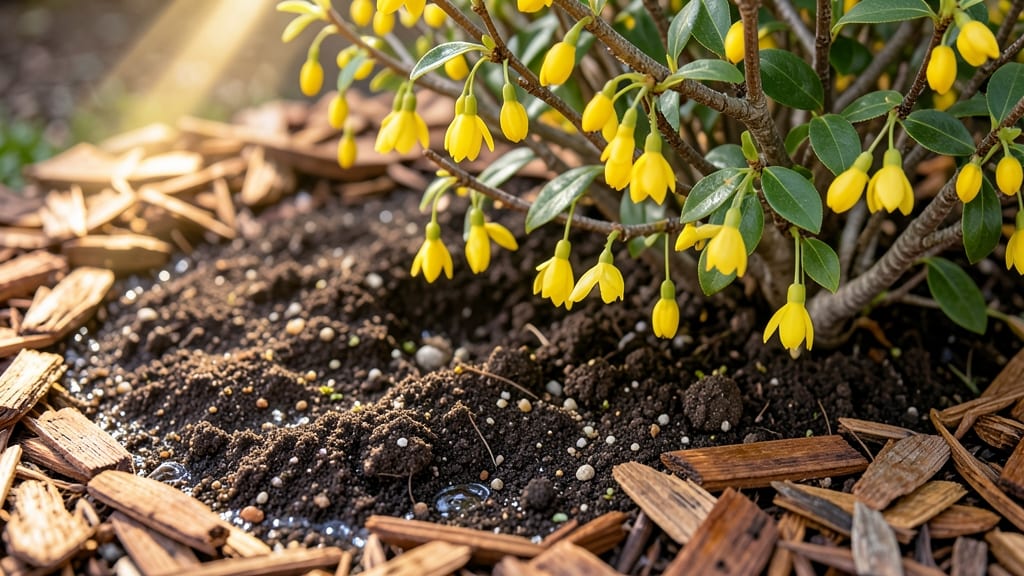
Mastering forsythia bush care means waking up to golden blooms that smell like sunshine. 🌸 I’ve learned that the secret to year-round fragrance isn’t just luck—it’s timing, especially when it comes to pruning.
One wrong cut can rob you of next spring’s showstopper flowers, but the right technique transforms your shrub into a fragrant, low-maintenance star.
The key is pruning after blooms fade, never in late summer or fall. Forsythias bloom on old wood, so cutting back too early means fewer flowers next year.
Pair that with well-draining soil, 6+ hours of sunlight, and occasional watering during dry spells, and you’ll see vibrant growth that lasts decades. Even my first attempt—after pruning too late—produced more blooms than I expected.
By summer, your bush will reward you with glossy green leaves and clusters of fragrant flowers, drawing bees and hummingbirds. The best part? Forsythias thrive with minimal fuss—no heavy fertilizing, no fussy soil, just occasional trimming to keep the shape tidy. Think of it as nature’s easy-peel golden gift.
Works in zones 5-8, handles drought once established, and even tolerates urban pollution. Here’s how to keep yours looking its best through every season—no green thumb required.
📚 In This Guide
- What you need
- Instructions
- Tips and common mistakes
- Wrapping up and next steps
What you need
- ● Pruning shears or loppers – Sharp, bypass-style shears (for small branches) or loppers with 6-8” handles (for thicker stems). Quantity: 1 pair of each.
- ● Hand pruners – Bypass pruners with a 6-8” blade for precision cuts on smaller branches. Quantity: 1 pair.
- ● Garden gloves – Heavy-duty, cut-resistant gloves to protect your hands from thorns and sharp edges.
- ● Disinfectant (70% isopropyl alcohol or bleach solution) – 1 part bleach to 9 parts water to sterilize tools between cuts and prevent disease.
- ○ Rake or leaf blower – For clearing debris after pruning. Optional but helpful!
- ● Garden twine or zip ties – For securing large branches if needed during heavy pruning. Quantity: A small roll.
- ○ Mulch (optional) – 3-4 inches of organic mulch (e.g., shredded bark or wood chips) to retain moisture and suppress weeds.
- ● Safety glasses – To protect your eyes from debris while pruning.
- ● Long sleeves and pants – Wear protective clothing to avoid scratches from thorns.
- ● Weather check – Prune on a dry, calm day to avoid slipping or spreading disease.
- ● Water source – A hose or watering can to hydrate the bush post-pruning.
- ● Trash bags – For disposing of pruned branches and debris. Quantity: 2-3 large bags.
Step-by-Step instructions for pruning forsythia bushes
Here’s how to keep your forsythia thriving with bold blooms and healthy growth every season.
✂️ Step 1: Prune Immediately After Flowering
Forsythia blooms on last year’s growth, so timing is everything. The moment the bright yellow flowers fade—usually in late spring—grab your pruners and get to work. This ensures next year’s flowers will form on new wood. I wait until all blooms have dropped completely before cutting, because any lingering buds won’t develop properly.
Remove about one-third of the oldest stems at ground level. These are the thickest, woody branches that no longer produce vibrant blooms. Cut cleanly at a 45-degree angle just above a outward-facing bud. This encourages fresh growth from the base, keeping your bush full and flowering. If you miss this window, you risk pruning off next year’s blooms before they even form.
✂️ Step 2: Thin Out Crowded Branches for Airflow
Next, focus on the bush’s interior. Forsythia grows quickly, and dense foliage traps moisture, inviting fungal diseases like powdery mildew. Look for branches that cross or rub against each other—these are prime candidates for removal. I start at the center and work my way out, cutting back any stems that block sunlight from reaching the inner growth.
Remove any dead, diseased, or weak wood first. Healthy branches should have a firm texture and vibrant green leaves. If a branch is thinner than a pencil or shows brown, mushy spots, it’s time to say goodbye. Thin to about 6-8 inches apart between branches, which gives your forsythia room to breathe and prevents future overcrowding.
✂️ Step 3: Shape for Balance and Future Blooms
Now it’s time to refine the bush’s shape. Forsythia responds well to light pruning, so avoid drastic cuts—think of this as a gentle sculpting rather than a harsh trim. Step back and assess the overall form: Is one side heavier than the other? Are there branches growing at awkward angles? Cut back the longest stems by one-third to encourage bushier growth.
For a natural look, I avoid geometric shapes—forsythia thrives with an organic, slightly wild appearance. Focus on opening up the center and maintaining an upright, vase-like structure. If a branch grows too close to a walkway or fence, trim it back to 6-12 inches from the base. This prevents future collisions and keeps your bush looking intentional.
☀️ Step 4: Feed and Water for Post-Pruning Recovery
After pruning, your forsythia will need a little TLC to bounce back strong. Water deeply at the base—1-2 gallons—to help the roots recover from the stress of trimming. I like to add a balanced 10-10-10 fertilizer (about 1 tablespoon per foot of bush height) right after pruning to give it a nutrient boost for new growth.
Keep the soil moist but not soggy for the next 2-3 weeks—this is when roots are most vulnerable. Mulch around the base with 2-3 inches of organic mulch (like shredded bark) to retain moisture and regulate soil temperature. Avoid heavy mulch piles against the trunk, as this can suffocate the base. With proper care, you’ll see fresh, vibrant growth within 4-6 weeks, setting the stage for next year’s spectacular blooms.
Tips & tricks for perfect forsythia pruning
Timing and technique make all the difference when pruning forsythia—these pro tips will help you avoid common pitfalls and keep your bush thriving for years.
Timing Secret: Don’t wait until summer to prune! The critical window is immediately after flowering when all yellow blooms have completely dropped. I’ve seen gardeners miss this by weeks, and their bushes produce sparse blooms the following spring. Mark your calendar for late spring—this is when forsythia’s energy shifts from flowering to new growth.
Cutting Technique: Always cut at a 45-degree angle just above an outward-facing bud in Step 1. This angle prevents water from pooling on the cut, which can rot the stem. I use sharp pruners to make clean cuts—dull blades crush the stem, inviting disease. For thick stems, make two cuts: the first to remove most of the branch, then a second to clean up the stub.
Shape Strategy: When shaping in Step 3, focus on creating an open center rather than a dense ball. I step back every few cuts to visualize the bush’s form—this prevents over-pruning one side while neglecting the other. Aim for that natural, slightly wild look by cutting back the longest stems by one-third, which encourages bushier growth from the base.
Recovery Wisdom: After pruning, the first 2-3 weeks are critical for root recovery. I’ve learned the hard way that skipping the deep watering (1-2 gallons) leads to stress and weak regrowth. Use a soaker hose to deliver water directly to the roots without disturbing the soil surface, and keep mulch 2-3 inches away from the trunk to prevent rot.
Pro Tips for Forsythia Bush Care
- Timing and technique make all the difference when pruning forsythia—these pro tips will help you avoid common pitfalls and keep your bush thriving for years.
- Timing Secret: Don’t wait until summer to prune!
- Cutting Technique: Always cut at a 45-degree angle just above an outward-facing bud in Step 1.
Frequently asked questions
When is the best time to prune a forsythia bush?
Prune your forsythia right after flowering (late spring) to encourage fresh blooms next year. Avoid heavy pruning in fall or winter, as it can stimulate tender new growth that won’t survive cold snaps. For shaping, do a light trim in early spring before buds swell—just don’t cut into old wood!
Can I prune forsythia too much? What happens if I overdo it?
Yes! Over-pruning—especially cutting back more than 1/3 of the bush at once—can stress your forsythia, reducing blooms or even killing weak stems. If you’ve already trimmed too aggressively, focus on rejuvenation pruning in stages over 2–3 years. Thin out dense areas first to improve airflow and sunlight.
Why isn’t my forsythia blooming this year?
Lack of blooms often stems from poor pruning timing (pruning too late) or over-fertilizing with high-nitrogen (which fuels leaves, not flowers). Check for dead or diseased branches—remove them immediately. If your bush is mature (5+ years), it might need a rejuvenation cut back to 12–18 inches from the ground in early spring.
Do forsythia bushes need winter care? How can I protect them?
Forsythia is hardy (USDA Zones 5–8), but young plants or those in exposed areas may need winter protection. Mulch the base with 2–3 inches of organic mulch (like shredded bark) to insulate roots. Avoid heavy snow buildup on branches—gently brush it off to prevent breakage. No need for burlap wraps unless temps dip below -15°F!
Are there dwarf or compact forsythia varieties for small gardens?
If space is limited, try ‘Little Gold’ (3–4 ft tall) or ‘Spring Glory’ (4–5 ft tall), both with vibrant yellow blooms. These varieties thrive in containers too—just ensure they get 6+ hours of sunlight daily. Pair them with early-blooming bulbs (like daffodils) for a show-stopping spring display!
Wrapping up and next steps
Caring for your forsythia bush doesn’t have to be complicated—just a little love and timing go a long way!
With the right pruning techniques, you’ll enjoy stunning yellow blooms and fragrant foliage for years to come. 🌸 Now that you’re armed with expert tips, grab those shears and give your bush the attention it deserves.
Ready to transform your garden? Start by marking your calendar for late winter or early spring—pruning season is just around the corner! Whether you’re a seasoned gardener or a newbie, your forsythia will thank you with vibrant, healthy growth.