
Vegetables
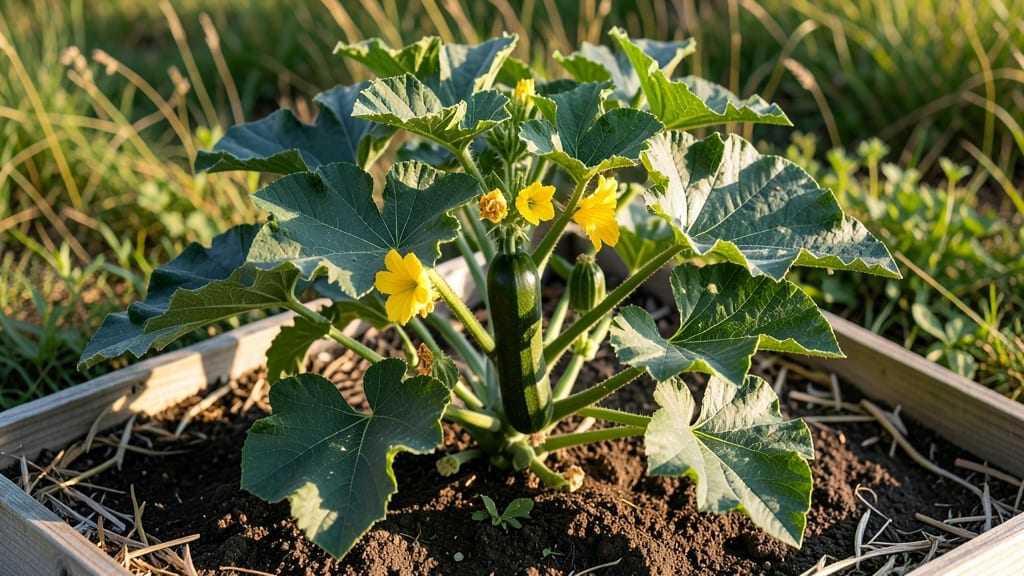
Black Beauty zucchini is a bush-type variety, not a vine, meaning it grows compactly with multiple branches and produces fruit close to the plant's base without needing trellising or extra space. This makes it perfect for small gardens and containers.
Unlike traditional vining zucchini varieties that sprawl across large areas, Black Beauty stays contained due to its bush-type growth habit. 🌱 This means you won't need to dedicate precious garden space to a sprawling vine—its compact structure keeps all the action within a 3-4 foot radius, making it ideal for urban gardeners or those with limited space.
The key difference lies in its genetic makeup: bush varieties produce multiple side branches from the main stem, while vining types send out long runners that require support structures.
This compact nature also translates to easier maintenance. With Black Beauty, you'll spend less time staking or pruning compared to vine varieties, and its prolific production means you'll get a steady harvest without the need for extensive gardening real estate.
Just remember to give each plant about 3-4 feet of space in the garden bed for optimal air circulation and fruit development.
💡 In This Article
- Black Beauty Zucchini Growth Habits: Bush vs Vine Comparison
- Planting and Care Tips for Bush Zucchini Varieties
Black Beauty zucchini growth habits: bush vs vine comparison
The botanical distinction between bush and vine zucchini varieties lies in their growth architecture, specifically how they allocate energy between stem development and fruit production.
Black Beauty belongs to the bush-type category, where the plant's primary stem produces multiple lateral branches within a 3-4 foot diameter—think of it as a compact shrub rather than a sprawling vine.
This compact structure is governed by genetic dwarfing traits that limit stem elongation while encouraging bushier growth patterns, similar to how bush beans or compact tomato varieties are bred.
In contrast, traditional vining zucchini varieties like 'Straight Eight' or 'Gold Rush' develop single, elongated main stems that can reach 6-10 feet in length, requiring trellises or extensive spacing.
The key difference is in their photosynthetic allocation: bush types focus energy on producing multiple side branches with fruit clusters near the base, while vines prioritize stem extension to maximize sunlight exposure at ground level.
Black Beauty's bush habit means you'll see fruit developing along 20-30 lateral branches within its compact footprint, compared to just 5-10 main stems in vining varieties.
This growth pattern directly impacts harvest yield and spacing requirements. Bush varieties like Black Beauty produce fruit in closer proximity to the plant's base, creating a more concentrated harvest zone that's easier to monitor.
The compact structure also means you can plant them just 2-3 feet apart in rows, compared to the 4-6 feet needed for vining types.
This density translates to higher yields per square foot—studies show bush varieties can produce 10-15% more fruit per plant in the same space due to their efficient branching system.
The maintenance advantages are equally significant. Without long vines to manage, Black Beauty requires no staking or pruning beyond occasional removal of yellow leaves. Its bushy form also makes it more disease-resistant—air circulates better between branches, reducing humidity pockets where fungal diseases like powdery mildew thrive.
The trade-off? Bush types may produce slightly larger individual fruits (Black Beauty's classic 8-10 inch length) but with a more consistent size distribution compared to vines that can develop uneven fruit shapes along their sprawling stems.
For gardeners working with limited space, this bush habit represents a game-changer. The compact growth means Black Beauty thrives in 5-gallon containers or raised beds just 12 inches deep, making it perfect for balconies or small urban plots.
Even in ground planting, you can fit 4-6 plants per 100 square feet, compared to just 2-3 vining plants in the same space. The key is understanding that bush varieties sacrifice some vertical growth for horizontal productivity—ideal for maximizing yield where space is constrained.
What most gardeners don't realize is how this growth habit affects fruit quality. The concentrated branching of bush types creates a microclimate where fruits develop more evenly in temperature and moisture, resulting in the Black Beauty's signature smooth, glossy skin and tender flesh.
The lack of long vines also means less exposure to soil-borne pathogens, contributing to the variety's reputation for longer storage life (up to 2 weeks in the fridge) compared to some vining varieties that may develop tougher skins from ground contact.