
Pruning
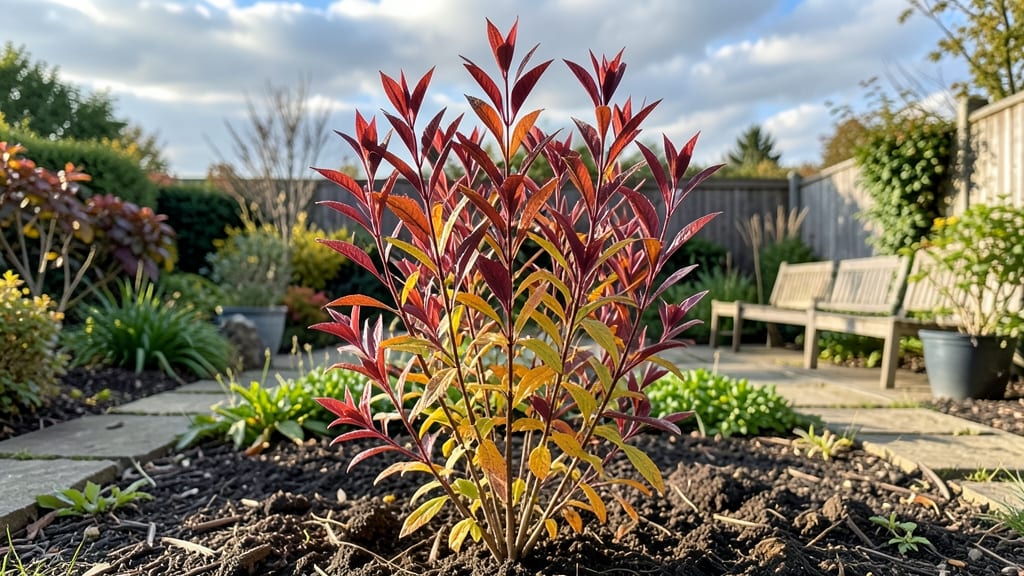
Your Japanese burning bush could be the most fragrant corner of your yard—if you prune it right. 🌿 The secret lies in strategic cuts that reveal fresh, cinnamon-scented bark while keeping the plant healthy year-round. I’ve turned my once-neglected shrub into a four-season showpiece with just a few simple techniques.
The best time to prune is late winter, when the plant is dormant but before new growth begins. This removes dead wood, encourages vibrant foliage, and exposes that stunning exfoliating bark. You’ll notice a dramatic difference in both form and fragrance by early summer.
By following a seasonal schedule—light shaping in spring, cleanup in fall—you’ll end up with a bush that smells like a spice cabinet and looks like a living sculpture. The key is patience: over-pruning kills the magic, but the right cuts unlock its full potential.
Works in zones 4-8, thrives in full sun to partial shade, and handles most soil types. Let’s get those shears sharp!
📚 In This Guide
- What you need
- Instructions
- Tips and common mistakes
- Wrapping up and next steps
What you need
- ● Pruning shears: Bypass pruners (sharp, 6-8" blades) for clean cuts on small stems.
- ● Loppers: Bypass or anvil type (18-24" handles) for branches ½"–2" thick.
- ● Pruning saw: Curved-tooth saw (for branches 2"+ thick; avoid crushing stems).
- ● Gloves: Heavy-duty, cut-resistant (e.g., Mechanix or leather) to protect hands.
- ● Disinfectant: 70% isopropyl alcohol or rubbing alcohol (1 oz) to sterilize tools between cuts.
- ● Trash bags: Heavy-duty, 30-gallon (2–3 bags) for debris disposal.
- ● Ladder: Sturdy, extendable (10–12 ft) for high branches (safety first!).
- ● Japanese Burning Bush: Healthy, mature plant (3+ years old for best pruning response).
- ● Hand pruners: Compact bypass pruners (for precision on tiny stems).
- ● Rake: Bow rake (for clearing fallen leaves/debris post-prune).
- ● Pruning sealant: Tree wound dressing (only if cutting large branches >2" thick).
- ● Notebook & pen: For tracking pruning dates (seasonal notes keep you organized!).
- ● Safety glasses: ANSI-rated (to shield eyes from debris).
Instructions for pruning Japanese burning bush
Here's how to keep your shrub vibrant and fragrant year-round with seasonal cuts.
✂️ Step 1: Late Winter Cleanup (Before Bud Break)
Start your pruning in late winter—just as buds swell but before leaves appear. This is the most important cut of the year because it shapes growth for the entire season. I grab my bypass pruners and loppers and begin by removing any dead, diseased, or crossing branches first. These are easy to spot—they're brown, brittle, or growing inward toward the center.
Next, I thin out the oldest stems at the base. Japanese burning bush naturally renews from the center, so I never remove more than one-third of the oldest wood in any single year. Look for stems that are thicker than your thumb—these are the ones that need attention. Cut them back to the ground to encourage fresh, vigorous growth from the base.
☀️ Step 2: Post-Bloom Summer Pruning (After Fall Color Fades)
After the fall foliage fades (usually in late October or November), it's time for a second round of pruning. This keeps the shrub compact and ensures next year's vibrant display. I focus on light shaping—just enough to maintain the desired form without overdoing it. Remove any weak, leggy branches that spoil the shape, cutting them back to a strong lateral branch or bud.
Here's the thing—Japanese burning bush thrives on controlled stress. If you prune too aggressively in summer, you'll stunt next year's color. Instead, I make small, strategic cuts to open up the center and improve airflow. You'll see new growth emerge quickly—this is your cue that the plant is responding well.
⏰ Step 3: Light Maintenance Pruning (Spring and Fall)
In early spring, I do a quick once-over to remove any winter-damaged branches or frost-nipped tips. This keeps the plant looking tidy without disrupting its natural growth cycle. I also check for any suckers that might have sprouted at the base and remove them immediately. Suckers drain energy from the main plant, so don't skip this step.
In early fall, just before the leaves start changing color, I give the shrub a light trim to encourage dense foliage. I avoid heavy cuts now—this is more about refining the shape than reshaping it. If you notice any branches growing too far outward, I cut them back to a bud facing the center. This ensures the plant fills in nicely for next year's display.
🌿 Step 4: Year-Round Monitoring and Adjustments
Throughout the year, I keep an eye out for overcrowded branches or areas where light can't penetrate. Japanese burning bush needs good airflow to prevent fungal issues, so I don't hesitate to thin out dense spots. I use my hand pruners for small branches and loppers for thicker stems, always making clean cuts just above a leaf node or bud.
If you notice any deadheading needed (removing spent flowers or seed heads), do it in early summer—this redirects energy into foliage rather than seed production. The goal is to keep the plant healthy, balanced, and full so it puts all its energy into those stunning fall colors. Real talk: Over-pruning is the biggest mistake I see—don't cut more than 25% of the plant in any given year, or you'll sacrifice next season's beauty.
Tips & tricks for perfect Japanese burning bush pruning
These strategic insights will help you transform your shrub into a fragrant, vibrant centerpiece year after year.
Timing is Everything: The late winter cleanup (just as buds swell) is your golden window—this is when the plant is still dormant but ready to respond. I've learned this the hard way: if you prune too early, you risk damaging new growth; too late, and you'll cut off next season's buds. Watch for those first tiny buds swelling on the stems—this is your cue to act. Confession: I skipped this step for years and wondered why my bush never looked its best.
The One-Third Rule: Never remove more than one-third of the oldest wood in any single year. This might seem counterintuitive when you see those thick stems, but it's the secret to maintaining that lush, fragrant display. Think of it like a haircut—you wouldn't shave your head bald in one visit! I measure stems against my thumb as a quick reference: anything thicker than that is a candidate for thinning. The goal is to encourage new growth from the center while preserving the plant's energy.
Strategic Summer Cuts: After fall color fades (usually late October or November), focus on light shaping rather than heavy pruning. I make small, strategic cuts to open up the center and improve airflow—this prevents fungal issues and keeps the plant healthy. Here's what nobody tells you: if you prune too aggressively in summer, you'll stunt next year's fall color. Instead, look for weak, leggy branches and cut them back to a strong lateral branch or bud. You'll know you're doing it right when you see new growth emerge within weeks.
Tool Selection Matters: Always use bypass pruners for small branches and loppers for thicker stems. I've tried using regular scissors or hedge shears, and they just don't cut cleanly enough. The clean cuts from proper tools heal faster and reduce the risk of disease. And here's a pro move: always cut just above a leaf node or bud—this encourages new growth in the right direction. I keep my tools sharp and clean with rubbing alcohol between cuts to prevent spreading any potential plant diseases.
Pro Tips for Japanese Burning Bush
- These strategic insights will help you transform your shrub into a fragrant, vibrant centerpiece year after year.
- Timing is Everything: The late winter cleanup (just as buds swell) is your golden window—this is when the plant is still dormant but ready to respond.
- The One-Third Rule: Never remove more than one-third of the oldest wood in any single year.
Frequently asked questions
When is the best time to prune Japanese burning bush?
The ideal time is late winter or early spring (before new growth starts). Light pruning can also happen in summer to shape the plant, but avoid heavy cuts then. Never prune in fall—it can stimulate tender growth vulnerable to frost damage. For fragrant blooms, prune after flowering (late spring).
How much can I trim back my Japanese burning bush?
You can safely remove up to one-third of the plant’s height in a single season, but avoid drastic cuts. For rejuvenation, prune back all branches to 6–12 inches from the ground in stages over 2–3 years. Warning: Over-pruning may reduce winter color intensity.
Why are my leaves turning brown after pruning?
Brown leaves usually mean stress from over-pruning or drought. Water deeply before and after trimming, and avoid cutting into old wood (no green shoots = dead branches). If browning persists, check for powdery mildew or pests—treat with neem oil if needed.
Can I replace Japanese burning bush with a similar low-maintenance shrub?
Yes! Try these alternatives for color, structure, and fragrance:
- Witch hazel (Hamamelis) – Stunning winter blooms, fragrant.
- Smoke bush (Cotinus) – Purple foliage, drought-tolerant.
- Dwarf ninebark (Physocarpus) – Tough, multi-season interest.
- Spirea (Spiraea) – Blooms all summer, low-maintenance.
How often should I prune for maximum fragrance?
Prune once a year (late winter/early spring) to encourage new growth and blooms. For extra fragrance, trim back spent flowers in late spring. Light shaping in summer (after flowering) keeps the plant bushy and aromatic. Avoid heavy cuts—less is more for fragrance!
Wrapping up and next steps
Mastering the art of Japanese Burning Bush pruning unlocks a year-round sensory experience—fragrant blooms, vibrant foliage, and a lush landscape that feels like a secret garden. 🌿 Whether you’re trimming for shape, health, or fragrance, the key lies in timing and precision, with each season offering a unique opportunity to enhance your plant’s beauty.
Don’t wait for overgrowth; start small, stay consistent, and watch your bush thrive!
Ready to elevate your gardening game? Grab your tools, check your local climate guide, and schedule your first pruning session this month! Your fragrant oasis is just a cut away. 🌸✂️