
Pruning
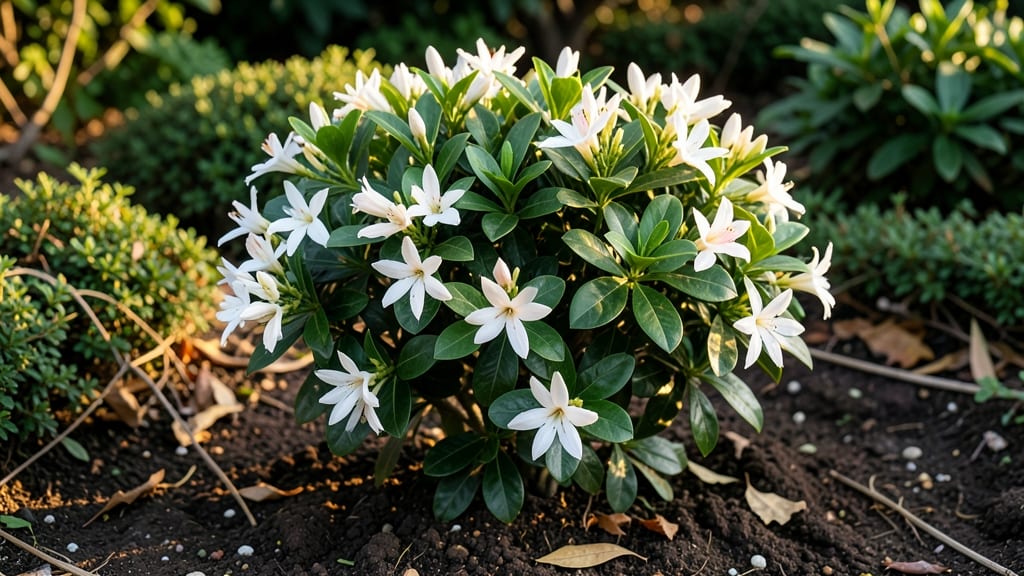
Your jasmine sambac bush could be blooming year-round with the right pruning—no more waiting for spring. ✨ I’ve learned the hard way that aggressive cuts trigger stress, while strategic trimming unlocks that signature intoxicating scent. The key?
Pruning after each bloom cycle, never more than one-third of the plant at once. This fragrant beauty thrives in zones 9-11, but with winter protection, it can survive cooler climates too.
It grows as a bush, vine, or small tree—your choice!—and its glossy leaves and creamy white flowers make it perfect for hedges, containers, or climbing trellises. The secret to continuous blooms lies in timing and technique.
You’ll end up with a bush so lush it draws hummingbirds and neighbors alike, all while keeping pests like aphids at bay. The flowers release their sweetest aroma at night, making evenings under your patio or balcony unforgettable.
Just be patient—it takes 2-3 years for a pruned plant to reach peak fragrance. Works for both experienced gardeners and beginners. Here’s how to do it without killing your plant (or your patience).
📚 In This Guide
- What you need
- Instructions
- Tips and common mistakes
- Wrapping up and next steps
What you need
- ○ Pruning shears: Bypass pruners (sharp, 5-7 inch blades) – 1 pair (for clean cuts). Optional: Felco F-2 or similar for durability.
- ● Hand pruners: For smaller stems – 1 pair (e.g., Fiskars Steel for precision).
- ● Loppers: For thicker branches (½ inch+) – 1 pair (e.g., Gonicc 8101).
- ● Gloves: Garden gloves (cut-resistant, like Wet & Forget) – 1 pair (protects from thorns and sap).
- ● Disinfectant: 70% isopropyl alcohol or pruning sealant – Small bottle (prevents disease spread).
- ● Pruning saw: Only if branches exceed 1.5 inches – 1 saw (e.g., Fiskars X27).
- ● Bucket or bag: For clippings – 1 large container (or compost bin if recycling).
- ● Hose or spray bottle: To clean tools mid-prune – 1 (keeps blades sharp).
- ● Marking twine or flags: For tagging branches to remove – Small roll (helps visualize cuts).
- ● Mulch: Organic mulch (pine bark or straw) – 5-10 gallons (protects roots post-prune).
- ● Fertilizer: Balanced 10-10-10 or jasmine-specific feed – 1 bag (boosts recovery).
- ● Safety glasses: If working near eyes – 1 pair (thorns can be sneaky!).
How to prune a jasmine sambac bush for maximum blooms
This is the secret to keeping your jasmine bush lush, fragrant, and blooming continuously—no matter the season.
✂️ Step 1: Understand the Best Time for Pruning
Prune your jasmine sambac bush twice a year for optimal fragrance and growth: late winter (before new growth) and right after flowering. This timing ensures you never cut back blooming stems, which is the fastest way to kill fragrance production. In warm climates, you can do a light trim after each major bloom cycle.
Look for dormant stems in late winter—they’ll be leafless and brittle. This is your cue to start shaping the bush. Avoid pruning during frost or extreme heat, as stressed plants take longer to recover and may drop buds.
✂️ Step 2: Remove Dead, Diseased, or Crossing Branches
Start by sanitizing your pruners with rubbing alcohol to prevent spreading disease. Cut out any dead, yellowing, or diseased branches first—they sap energy from healthy growth. You’ll know a branch is dead if it snaps easily when bent and has no green beneath the bark.
Next, remove crossing or rubbing branches—these create wounds where pests and diseases love to hide. Aim for an open center that allows good air circulation, which keeps the bush healthy and fragrant. Thin out crowded areas by cutting branches back to their origin at the main stem.
✂️ Step 3: Shape the Bush for Airflow and Light Penetration
Jasmine sambac thrives when it gets at least 6 hours of sunlight daily, so prune to open up the center. Cut back overly long branches by one-third to encourage bushier growth. Make cuts just above a leaf node (the bump where leaves grow) at a 45-degree angle to prevent water from pooling.
Step back and visualize sunlight reaching the inner branches. If you can’t see light hitting the center, trim more aggressively. Avoid cutting into old wood—jasmine sambac blooms on new growth, so focus on shaping the outer edges and thinning the interior.
🌿 Step 4: Encourage Continuous Blooming with Strategic Trims
After the bush finishes flowering, give it a light maintenance trim to remove spent blooms and encourage new growth. Pinch back the tips of new shoots to promote branching—this is how you get that lush, fragrant hedge. The key is to never remove more than one-third of the plant at a time, or you’ll shock it into dormancy.
If your jasmine isn’t blooming as much as you’d like, try a harder prune in late winter (cutting back by half) to stimulate fresh growth. Just be patient—it may take 4-6 weeks for new flowers to form, but the fragrance will be worth the wait.
⏰ Step 5: Post-Pruning Care for a Fragrant Recovery
After pruning, water deeply to help the plant recover, especially if you’ve cut back a lot. Apply a balanced, slow-release fertilizer (10-10-10) to support new growth. Avoid heavy nitrogen fertilizers—they promote leafy growth at the expense of flowers.
Keep the bush well-mulched with 2-3 inches of organic mulch (like shredded bark) to retain moisture and regulate soil temperature. Watch for new shoots emerging within 2-3 weeks—this is your sign the pruning worked. If you see yellowing leaves, it’s a sign of over-pruning or stress, so adjust next time.
Tips & tricks for perfect jasmine sambac pruning
Here's the thing about jasmine sambac—it doesn't just forgive mistakes, it rewards precision. These are the details that separate a fragrant garden staple from a sad, leafy shrub.
Timing is Everything: The twice-a-year schedule in Step 1 is non-negotiable for fragrance production. I learned this the hard way after cutting back blooming stems and watching my jasmine go silent for months. Mark your calendar for late winter (when dormant stems are brittle) and immediately after flowering—these are the only windows where you can prune without sacrificing blooms. In warm climates, that light maintenance trim after each bloom cycle keeps things fresh without stressing the plant.
Pruning Technique Matters: When shaping in Step 3, make your cuts just above a leaf node at a 45-degree angle—this isn't just about aesthetics, it's about preventing water from pooling at the wound site. I use a sharp pair of pruners and make clean cuts rather than tearing branches, which creates larger wounds that heal slower. For thicker branches, I cut in stages to avoid crushing the stem. The goal is to encourage new growth from those leaf nodes while maintaining the plant's energy balance.
Recovery Care is Critical: After pruning, that deep watering in Step 5 isn't optional—it's essential for root recovery. I've seen jasmine plants wilt dramatically after aggressive pruning, only to bounce back within days when properly hydrated. The 2-3 inches of organic mulch acts like a blanket, regulating soil temperature and retaining moisture. If you notice yellowing leaves after pruning, it's your cue to back off next time—you've likely removed too much foliage too quickly.
Pro Tips for Jasmine Sambac Bush
- Here's the thing about jasmine sambac—it doesn't just forgive mistakes, it rewards precision.
- Timing is Everything: The twice-a-year schedule in Step 1 is non-negotiable for fragrance production.
- Pruning Technique Matters: When shaping in Step 3, make your cuts just above a leaf node at a 45-degree angle—this isn't just about aesthetics, it's about preventing water from pooling at the wound site.
Frequently asked questions
Got questions about keeping your jasmine sambac bush thriving with the perfect pruning routine? You’re not alone! Here are some of the most common queries—plus quick, practical answers to keep your fragrant beauty in top shape.
When is the best time to prune my jasmine sambac bush?
The ideal time to prune is late winter or early spring, just before new growth begins. This encourages lush, fragrant blooms throughout the year. For tropical climates, light trimming can happen year-round—but avoid heavy pruning during flowering seasons to preserve those intoxicating blooms!
How much should I trim back my jasmine sambac bush?
Start with 1/3 of the plant’s height for a balanced shape. Focus on removing dead, overcrowded, or leggy branches first. For maintenance, trim just enough to maintain shape and airflow—never cut more than 20-25% at once to avoid stressing the plant. Think "less is more" for long-term health!
Why isn’t my jasmine sambac blooming after pruning?
Lack of blooms often means too much shade, over-pruning, or nutrient deficiencies. Ensure your bush gets 6+ hours of sunlight daily and prune lightly to encourage new growth. Feed with a balanced fertilizer (10-10-10) in spring, and avoid heavy trims during flowering cycles. Patience pays off—jasmine rewards consistency!
Can I grow jasmine sambac indoors, and how does pruning differ?
Yes! Indoor jasmine sambac thrives near bright windows but needs regular pruning to control size. Trim lightly every 4-6 weeks to shape and promote airflow. Use sterilized scissors and repot every 2-3 years for fresh soil. Just like outdoors, avoid heavy cuts—focus on shaping and removing dead wood.
What’s the difference between pruning for fragrance vs. aesthetics?
For fragrance, prioritize light, frequent trims to encourage new blooms—focus on the tips of branches. For aesthetics, prune more aggressively to shape the bush, but leave some blooms intact to enjoy the scent! Balance both by trimming after flowering peaks to keep the plant lush and aromatic.
Wrapping up and next steps
The jasmine sambac bush thrives with the right pruning care—balancing growth, fragrance, and health year-round. By mastering seasonal trims, shaping techniques, and tool prep, you’ll unlock a lush, blooming plant that fills your space with heavenly scent. 🌸
Ready to transform your garden? Start small: prune just one branch this week and observe how it responds. Soon, you’ll be a pro, crafting a fragrant oasis with confidence!