
Pruning
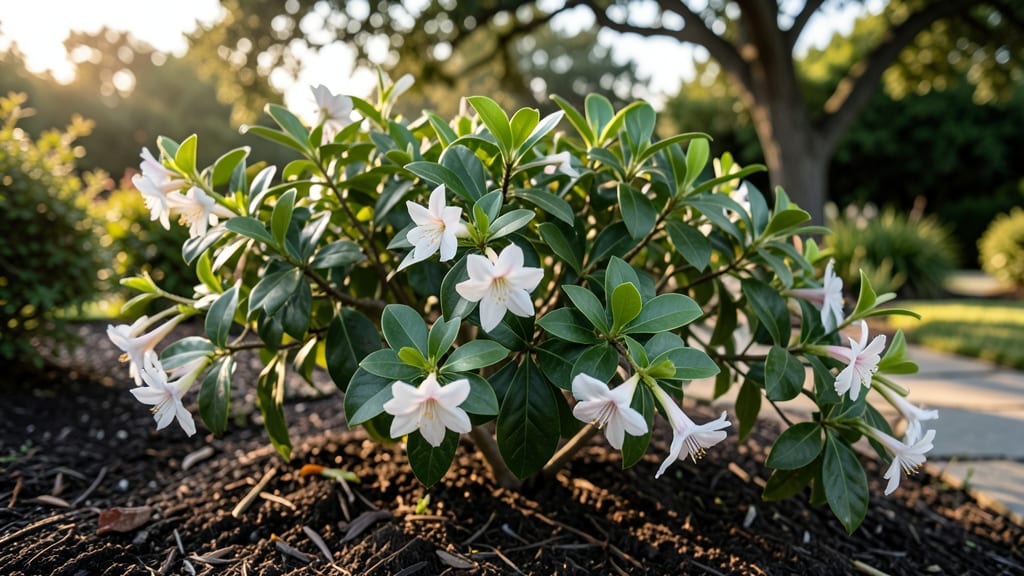
Pruning your cape jasmine bush unlocks a cascade of fragrant blooms that smell like summer all year. ✨ I’ve transformed my leggy, sparse shrub into a fragrant, bushy powerhouse using just four strategic cuts—and the secret isn’t complicated.
The key is timing: prune at the right moments, and you’ll trigger nonstop flowering, even in cooler months. Most gardeners overthink this, but it’s really about encouraging new growth where you want it.
This bush thrives in partial shade to morning sun, so placement matters. Mine sits where it gets dappled light—just enough to keep leaves green but not scorched. The soil should drain well (amend with compost if yours is heavy), and consistent moisture keeps those glossy leaves happy.
Once established, it’s drought-tolerant, but blooms reward regular watering. The real magic happens when you prune right after flowering: trim back about one-third of the oldest stems to make room for fresh, fragrant blooms.
By summer’s end, you’ll see new growth shooting from those pruned spots, setting up next year’s blooms. The scent alone—like a tropical vacation—makes it worth the effort. And here’s the best part: these bushes live for decades, so your pruning skills compound over time.
Start with these four cuts, and your cape jasmine will become the most fragrant corner of your garden.
Works for both in-ground plants and large containers, so whether you’ve got a sunny patio or a shady backyard, this technique adapts. Just remember: sharp pruners, clean cuts, and a little patience go a long way. Let’s get those blooms going!
📚 In This Guide
- What you need
- Instructions
- Tips and common mistakes
- Wrapping up and next steps
What you need
- ○ Pruning shears: Bypass pruners (sharp, clean, and capable of cutting stems up to ¼-inch thick). Optional: Loppers (for thicker branches, ½-inch+).
- ● Hand pruners: Anvil-style (for smaller, dead branches).
- ● Disinfectant: 70% isopropyl alcohol or rubbing alcohol (to sterilize tools between cuts).
- ● Gloves: Garden gloves (cut-resistant for safety).
- ● Pruning saw: Only if your bush has woody stems >1-inch thick.
- ● Bucket or bag: 5-gallon bucket (for collecting pruned debris).
- ● Hose or water source: (to clean tools and rinse cuts).
- ● Weather check: Prune on a dry, overcast day (or early morning) to avoid stressing the plant.
- ○ Safety gear: Optional: Sunglasses and long sleeves (if working in bright sun).
- ● Compost bin access: (for repurposing pruned material).
- ● Notebook & pen: (to jot down pruning notes or sketch the bush’s shape).
Instructions for pruning cape jasmine for continuous blooms
Here's my straightforward approach to keeping your cape jasmine bush flowering nonstop—just four focused cuts that take less than 20 minutes.
✂️ Step 1: Trim Dead or Damaged Wood in Late Winter
Start in late February or early March when the plant is still dormant. Look for branches that are brown, brittle, or showing no signs of life—these won’t produce flowers and only drain energy from healthy growth. Use clean, sharp pruning shears to make cuts just above a leaf node or outward-facing bud.
I always cut at a 45-degree angle about ¼ inch above the bud to prevent water from pooling. This encourages new growth from the right spot. If you see any branches that are crossing or rubbing against others, remove them now—they’ll compete for energy and reduce flowering.
✂️ Step 2: Lightly Shape the Bush After Spring Blooms
Once the first flush of flowers fades—usually 4-6 weeks after blooming—give your bush a light shaping. Focus on opening up the center so air circulates better. This prevents fungal issues and ensures the next round of buds forms along the branches.
Remove only 10-15% of the plant’s total growth—just enough to improve airflow and sunlight penetration. If you cut too aggressively, you’ll sacrifice next season’s blooms. Watch for new growth just below where flowers dropped—these are your future blooming spots.
✂️ Step 3: Pinch Back New Growth in Early Summer
When you see new shoots growing longer than 6 inches, pinch back the tips with your fingers or shears. This encourages the plant to branch out instead of growing tall and leggy. Aim to cut back one-third of the new growth to promote bushier, more compact growth.
This is where the magic happens for year-round blooms. By mid-July, you’ll see smaller side shoots forming—these are the spots where new flowers will develop. If you skip this step, your bush will grow tall and sparse, with fewer blooms.
✂️ Step 4: Deadhead and Thin Out Overcrowded Branches
Throughout the growing season, remove spent flowers by cutting the stem just above the next set of leaves. This redirects the plant’s energy into producing new blooms instead of seed pods. I do this every 2-3 weeks during peak blooming periods to keep flowers coming.
Also, look for branches that are growing inward or too close together. Thin these out to 1-2 inches apart so sunlight reaches the center. You’ll know you’ve done it right when the bush looks full and balanced from all sides. Avoid cutting more than 20% of the plant at once—this keeps stress low and blooms high.
Tips & tricks for pruning your cape jasmine bush
These quick but game-changing tricks will help you keep your cape jasmine blooming beautifully all year—without the guesswork.
Timing is Everything: That late February to early March window for Step 1 is crucial because the plant is still dormant and won't bleed sap excessively. If you prune too early, you risk frost damage, and if you wait too long, new growth may already be starting. I've learned this the hard way after seeing new shoots emerge too soon in my own garden—wait for those first warm days when the ground isn't frozen anymore.
The 45-Degree Angle Secret: When making cuts in Step 1, that quarter-inch above the bud isn't just a suggestion—it's what prevents water from pooling and causing rot. Think of it like creating a tiny roof over your bud. I always test my pruning shears on a scrap piece of wood first to make sure I can get that perfect angle before working on the actual plant. It makes all the difference in how cleanly your cuts heal.
Visual Cues for Step 2: When shaping after spring blooms, look for those little "bumps" just below where flowers dropped—they're your future blooming spots. If you can't see them clearly, run your fingers gently along the branches. You'll feel tiny buds forming there, and these are the areas you want to preserve. This is how I know I'm not cutting too aggressively—when I can see those little bumps clearly after my pruning.
Pinch Back Technique: For Step 3, use your fingers to pinch rather than cutting with shears when possible. This gives you more control and less damage to the plant. I pinch back about one-third of the new growth by simply squeezing between my thumb and forefinger—it's faster than reaching for shears and gives you instant feedback on how much you're removing. The key is to do this when shoots reach exactly 6 inches, not before or after.
Pro Tips for Cape Jasmine Bush
- These quick but game-changing tricks will help you keep your cape jasmine blooming beautifully all year—without the guesswork.
- Timing is Everything: That late February to early March window for Step 1 is crucial because the plant is still dormant and won't bleed sap excessively.
- The 45-Degree Angle Secret: When making cuts in Step 1, that quarter-inch above the bud isn't just a suggestion—it's what prevents water from pooling and causing rot.
Frequently asked questions
Got questions about keeping your cape jasmine bush (aka Gardenia jasminoides) blooming beautifully year-round? Here are some of the most common ones—and their simple solutions!
When is the best time to prune my cape jasmine bush?
Prune your cape jasmine bush right after flowering (late spring to early summer) to encourage fresh blooms. Avoid heavy pruning in fall or winter, as it can stress the plant. Light shaping cuts are fine in early spring to remove dead or crossing branches.
How much can I trim back my cape jasmine bush?
Never cut back more than 1/3 of the plant’s foliage at once. For cape jasmine, focus on selective pruning—remove only dead, diseased, or overcrowded branches. Over-pruning can reduce flowering and weaken the bush.
Why isn’t my cape jasmine bush blooming after pruning?
Lack of blooms often stems from over-pruning, poor sunlight, or nutrient deficiencies. Ensure it gets 6+ hours of sunlight daily and fertilize with acidic, phosphorus-rich soil (like a 10-10-10 blend) in early spring. Avoid heavy nitrogen—it promotes leaves over flowers!
Can I prune my cape jasmine bush in winter?
Light pruning (removing deadwood) is okay in mild winter climates, but avoid heavy cuts. Cape jasmine is semi-tropical and hates cold snaps. If your area freezes, wait until spring to prune—new growth is more resilient then.
What’s a good alternative if my cape jasmine bush struggles in my climate?
If your zone is too cold (USDA 8 or lower), try jasmine shrubs like Arabian jasmine or star jasmine, which are hardier. For containers, confederate jasmine (Trachelospermum jasminoides) thrives in pots and blooms reliably with similar care!
Wrapping up and next steps
Pruning your Cape Jasmine bush doesn’t have to be intimidating—just a few simple cuts can transform it into a fragrant, blooming beauty year-round! 🌿 With the right tools, timing, and techniques, you’ll keep it healthy, vibrant, and full of those intoxicating flowers.
Whether you’re a beginner or a seasoned gardener, these steps make maintenance effortless.
Ready to give your Cape Jasmine the care it deserves? Grab your pruners, mark your calendar, and start pruning today! Your garden (and your senses!) will thank you. 🌸