
Landscaping
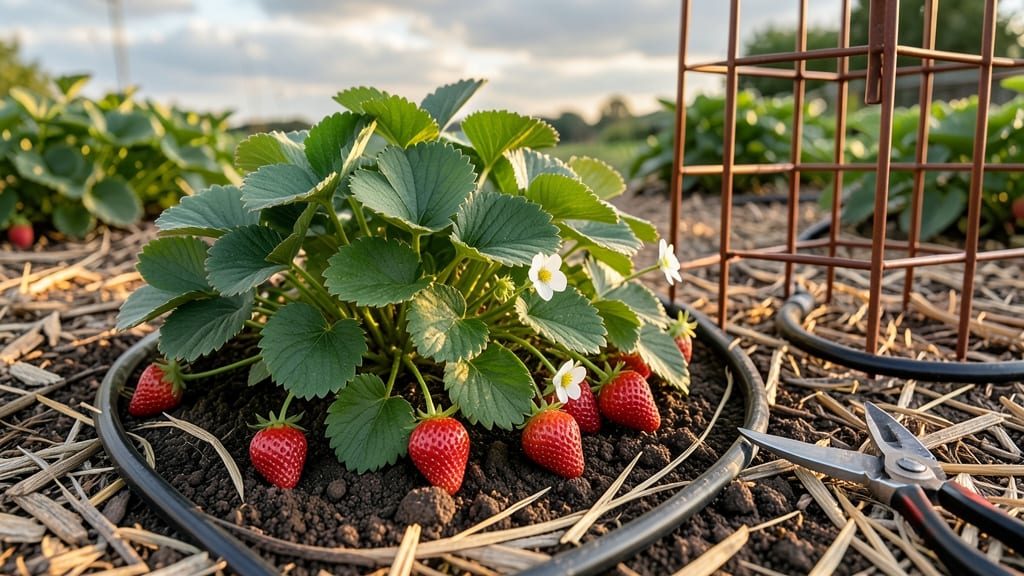
Landscaping with berry bushes transforms your yard from ordinary to edible art—imagine purple fall foliage, winter berries for birds, and spring blooms all in one plant. 🌿 I designed my front border with raspberries and blackberries, and neighbors now ask how I keep the garden so lush year-round. The key is mixing varieties for height, color, and seasonal interest while keeping maintenance simple.
Start with 3-5 bushes in odd-number groupings for natural flow—tall currants as focal points, mid-height blueberries for hedges, and low-growing raspberries along pathways. Pair them with ornamental grasses or lavender for texture contrast, and let the berries feed birds when the season ends.
My go-to combo? Red currants (spring blooms), elderberries (summer fruit), and aronia (fall color)—each plays a role in the landscape's rhythm.
You’ll end up with a garden that feeds you, feeds wildlife, and stays stunning through every season. The berries add unexpected pops of color, while the foliage creates texture that perennials alone can’t match. Plus, harvesting fresh fruit makes summer chores feel like rewards. Let’s design your berry-filled retreat!
Works in any yard size—containers for patios, hedges for privacy, or mixed borders for curb appeal. The only limit is your imagination (and how many pies you’ll bake). Here’s how to plan it right from the start.
📚 In This Guide
- What you need
- Instructions
- Tips and common mistakes
- Wrapping up and next steps
What you need
- ● Berry Bushes: Choose 3–5 plants (e.g., blueberries, raspberries, blackberries, or currants). Opt for dwarf varieties (3–5 ft tall) for smaller spaces or standard varieties (6–10 ft) for larger areas.
- ● Soil Amendments: Peat moss or coconut coir (5–10 gallons) – for acid-loving berries like blueberries.
- ● Compost (10–20 lbs) – improves drainage and fertility.
- ● Organic mulch (e.g., pine straw or wood chips, 2–3 cubic feet) – retains moisture and suppresses weeds.
- ● Fertilizer: Balanced fertilizer (10-10-10 or 20-20-20, 5–10 lbs) for general berries.
- ● Acid-loving plant fertilizer (e.g., Miracle-Gro Azalea, Camellia & Rhododendron, 1–2 lbs) for blueberries.
- ● Tools: Garden trowel or spade.
- ● Pruning shears (sharp, bypass-style for clean cuts).
- ● Garden gloves (heavy-duty for thorny varieties like raspberries).
- ● Wheelbarrow or bucket (5–10 gallons) for transporting soil/amendments.
- ● Measuring tape (10–25 ft) for spacing plants.
- ● Watering can or hose with a gentle spray nozzle.
- ● Location: Full sun (6+ hours/day) for most berries; partial shade (4–6 hours) for blueberries in hot climates.
- ○ Soil Test Kit: Optional but highly recommended to check pH (berries prefer 4.5–6.0; blueberries thrive at 4.5–5.5).
- ● Support Structures: Trellis or arbor (for vining berries like raspberries/blackberries, 6–8 ft tall).
- ● Stakes or cages (for support, 4–6 ft long).
- ○ Drip Irrigation System: Optional but great for consistency (especially in dry climates).
- ○ Bird Netting: Optional, to protect ripe berries from hungry birds! 🐦
Step-by-Step guide to designing a berry bush landscape
Here's how I blend berry bushes into layered, year-round beauty—fruit in summer, color in every season.
🌿 Step 1: Choose Complementary Berry Varieties
Select berries that thrive in your climate and offer staggered harvests. For example, pair early blueberries with late raspberries to extend your fruiting season. I always include at least one ornamental variety like red currants or gooseberries for their stunning foliage and winter interest—even when not fruiting, their glossy leaves add texture.
Consider mature size when planning spacing. Dwarf varieties like top-hat blueberries work beautifully in containers or small spaces, while standard bushes need 5-6 feet of clearance. Group plants with similar water needs together to simplify irrigation. For instance, blueberries and elderberries prefer consistently moist soil, while raspberries tolerate drier conditions.
🪴 Step 2: Plan the Planting Layout
Create visual layers by placing taller bushes at the back and shorter varieties in front. For a 4-bush planting scheme, I recommend one 6-foot elderberry or blackberry as a focal point, flanked by two 4-foot blueberry bushes, with a 3-foot currant or raspberry in the foreground. This creates depth and draws the eye through the season.
Leave 5-6 feet between bushes for airflow and maintenance access. I mark planting spots with stakes and string lines to ensure straight rows—berry bushes spread over time, and irregular spacing leads to crowded, disease-prone plants. For container plantings, use 15-gallon pots with drainage holes and plant one bush per container.
☀️ Step 3: Prepare the Soil and Plant
Berry bushes thrive in well-draining, acidic soil (pH 4.5-6.0). For blueberries, I amend the soil with 3 inches of peat moss or pine bark fines mixed into the top 12 inches of soil. Other berries like raspberries and currants prefer slightly less acidic conditions (pH 5.5-6.5) and benefit from a balanced 5-10-10 fertilizer at planting.
Dig holes twice as wide as the root ball but only as deep. Place the bush in the hole so the top of the root ball sits 1 inch above soil level—burying too deep suffocates the plant. Backfill with native soil mixed with compost, then water deeply to settle the roots. Mulch with 3 inches of wood chips to retain moisture and suppress weeds, but keep mulch 6 inches away from the stem to prevent rot.
💧 Step 4: Establish Irrigation and Maintenance
Berry bushes need 1-1.5 inches of water weekly, especially during fruiting. I install a drip irrigation system with emitters placed 12 inches from the base of each bush to deliver water directly to the roots. Avoid overhead watering, which spreads fungal diseases like powdery mildew. For container-grown bushes, water when the top 2 inches of soil feel dry—containers dry out much faster than in-ground plantings.
Prune in late winter or early spring to remove dead or diseased wood and shape the bush. For raspberries, I cut out old canes after harvest to encourage new growth. Blueberries benefit from light pruning to open the center for airflow—never remove more than 25% of the plant in one season. Fertilize in early spring with a 10-10-10 formula and again after fruiting to replenish nutrients.
⏰ Step 5: Enhance with Seasonal Interest
Add companion plants that complement berry bushes year-round. In spring, I tuck bleeding heart or lungwort around the base for early color. Summer brings in salvia or catmint to attract pollinators and fill gaps. For fall, I plant Japanese anemone or sedum for late-season blooms and winter structure.
Incorporate ornamental grasses like feather reed grass or maiden grass to sway in the breeze and highlight the berry bushes' foliage. Use evergreen shrubs like inkberry holly or dwarf boxwood as backdrop plants to maintain year-round interest. This layered approach ensures your berry landscape stays vibrant even when the bushes aren't fruiting.
Tips & tricks for perfect berry bush landscaping
These pro strategies will help you create a thriving, visually stunning berry garden that delivers fruit and beauty through every season.
Variety Selection Wisdom: When choosing your berry varieties in Step 1, prioritize plants with staggered harvest times—this ensures you have fresh fruit for months rather than just a few weeks. For example, pair early-season blueberries with mid-season raspberries and finish with late-season blackberries. I also recommend including at least one ornamental variety like red currants or gooseberries—their glossy foliage and winter interest make them architectural stars even when not fruiting.
Planting Layout Precision: The 4-bush planting scheme in Step 2 creates perfect visual layers, but here's the secret: measure from the mature height of each variety, not their current size. Use stakes and string lines to create straight rows—this prevents future crowding and makes maintenance easier. For container plantings, always use 15-gallon pots with drainage holes to prevent root rot, and place them where they'll receive at least 6 hours of sunlight daily.
Soil Preparation Secrets: Don't skip the soil amendment step! For blueberries specifically, the 3 inches of peat moss mixed into the top 12 inches of soil is non-negotiable—it creates the acidic environment they need to thrive. For other berries, test your soil pH first: if it's above 6.5, you'll need to add sulfur or aluminum sulfate to adjust it. I always test my soil before planting to avoid costly corrections later.
Seasonal Layering Strategy: The companion plants suggested in Step 5 are your secret weapon for year-round interest. For spring color, bleeding heart and lungwort create stunning contrasts with new berry foliage. In summer, salvia and catmint attract pollinators while filling gaps between bushes. For winter structure, feather reed grass and inkberry holly provide texture and movement when berry bushes are dormant.
Pro Tips for Landscaping With Berry Bushes
- These pro strategies will help you create a thriving, visually stunning berry garden that delivers fruit and beauty through every season.
- Variety Selection Wisdom: When choosing your berry varieties in Step 1, prioritize plants with staggered harvest times—this ensures you have fresh fruit for months rather than just a few weeks.
- Planting Layout Precision: The 4-bush planting scheme in Step 2 creates perfect visual layers, but here's the secret: measure from the mature height of each variety, not their current size.
Frequently asked questions
Got questions about transforming your yard with berry bushes? You’re not alone! Here are some of the most common queries—and their answers—to help you get started confidently.
Which berry bushes are easiest for beginners?
Start with raspberries or blackberries—they’re hardy, fast-growing, and forgiving. For low-maintenance options, try blueberries (if your soil is acidic) or currants/gooseberries, which thrive in partial shade. Pro tip: Avoid boysenberries or loganberries first—they’re fussier!
How long does it take for berry bushes to produce fruit?
Most berry bushes take 1–3 years to bear fruit, depending on the type and growing conditions. Raspberries and blackberries often fruit in the second year, while blueberries may take a little longer. Patience pays off—healthy bushes reward you with years of harvests!
Can I grow berry bushes in containers or small spaces?
Dwarf varieties (like ‘Tifblue’ blueberries or ‘Heritage’ raspberries) thrive in pots (15+ gallons). Use well-draining soil and ensure they get 6+ hours of sun. Just remember: Containers dry out faster, so water consistently. Bonus: Move pots to follow the sun!
What’s the best way to protect berry bushes from pests?
Prevent pests with healthy soil (rich in compost) and pruning to improve airflow. For common issues:
- Birds: Use netting over ripe fruit.
- Japanese beetles: Handpick or apply neem oil.
- Spider mites: Spray with water to knock them off.
Do berry bushes need winter care?
Most berries are cold-hardy, but young plants or tender varieties (like gooseberries) benefit from mulch (3–4 inches of straw or leaves) to insulate roots. Ever-bearing raspberries may need winter protection in harsh climates—wrap canes loosely with burlap. Spring tip: Prune dead canes after the last frost!
Wrapping up and next steps
Incorporating berry bushes into your landscape isn’t just about beauty—it’s a delicious, year-round investment! From vibrant foliage to sweet harvests, these hardy plants bring color, texture, and edible rewards to your outdoor space.
Whether you’re a seasoned gardener or just starting, berry bushes offer low-maintenance elegance and a bounty of benefits.
Ready to transform your yard? Start small—pick one or two varieties to test the waters, then expand as you gain confidence. Grab your gloves, sketch a design, and let nature do the rest! 🌱✨