
Shrubs
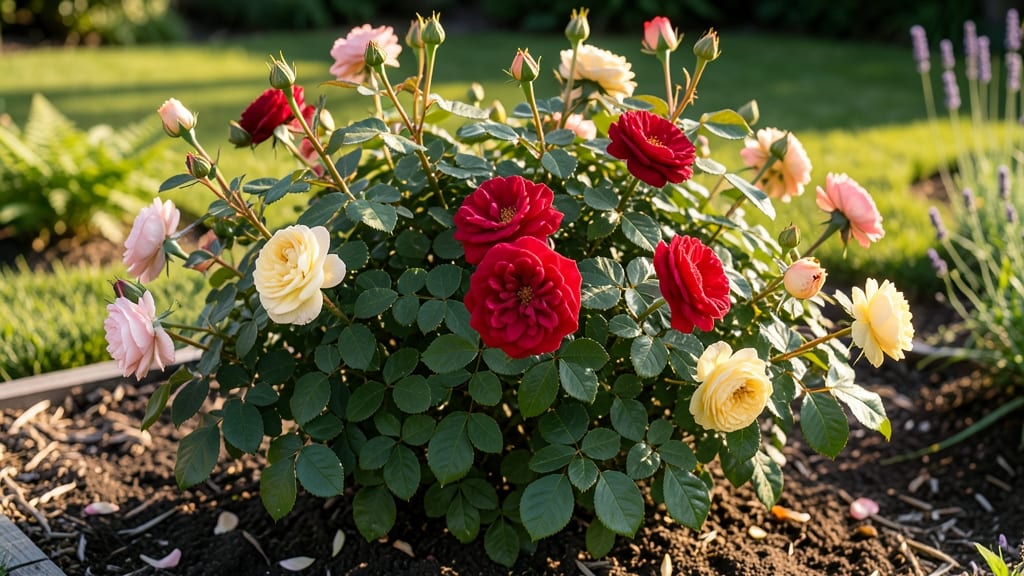
A large rose bush can be your garden’s crown jewel—if you understand its quirks. 🌹 I’ve wrestled with leggy, overgrown bushes that barely bloomed, but the right pruning and care turned mine into a fragrant, bushy masterpiece that flowers from spring to frost.
The secret isn’t just cutting back—it’s timing, technique, and knowing your rose’s personality. Hybrid teas need aggressive pruning, while shrub roses thrive with minimal shaping. Start with the right soil (loamy, well-draining) and a sunny spot, then master the three-pruning seasons that keep your bush productive.
By summer, you’ll have a bush bursting with blooms, their scent lingering long after the petals fall. The key? Prune in layers—first for structure, then for flowers, then for cleanup—and you’ll avoid the common mistakes that leave roses struggling.
Works for climates from Zone 3 to Zone 10, whether you’re growing in full sun or dappled shade. Let’s get your rose bush thriving!
📚 In This Guide
- What you need
- Instructions
- Tips and common mistakes
- Wrapping up and next steps
What you need
- ● Rose Bush: Choose a hardy, disease-resistant variety (e.g., Knock Out®, David Austin English Roses, or Hybrid Teas) suited to your climate zone.
- ● Soil: 5–10 bags (1–2 cubic feet each) of well-draining, nutrient-rich potting mix (or amend garden soil with compost and perlite for aeration).
- ● Fertilizer: Balanced rose fertilizer (10-10-10 or 5-10-5 NPK ratio).
- ● Organic options: Fish emulsion, bone meal, or compost tea (apply every 4–6 weeks).
- ● Mulch: 3–4 cubic feet of wood chips, straw, or shredded bark to retain moisture and regulate soil temp.
- ● Pruning Tools: Bypass pruners (sharp, disease-resistant blades).
- ● Loppers (for thicker stems, 24–36" cutting length).
- ● Pruning saw (for thick, woody growth).
- ● Support System: Sturdy rose trellis, cage, or stakes (height depends on variety; 4–6 feet for large bushes).
- ● Garden twine or soft ties (to secure stems without damaging them).
- ● Watering Supplies: Drip irrigation kit or soaker hose (to deliver 1–2 inches of water weekly).
- ● Watering can (with rose or spray nozzle for gentle application).
- ● Fungicide: Copper-based or neem oil spray (prevents black spot and powdery mildew).
- ● Epsom Salt: 1–2 tablespoons dissolved in water (boosts magnesium for vibrant blooms).
- ● Rose food tablets (slow-release granules for convenience).
- ● Garden gloves (to protect hands from thorns and soil).
- ● Plant markers (to label varieties and track pruning dates).
Step-by-step instructions for planting and pruning a large rose bush
Here’s how I’ve grown healthy, fragrant roses that thrive year after year—no guesswork involved.
🌱 Step 1: Choose the Right Location and Prepare the Soil
Roses need full sun—at least 6 hours daily—and well-draining soil. I pick a spot with morning sun and afternoon shade to prevent wilting in hot climates. Before planting, loosen the soil to a depth of 12-18 inches with a shovel or tiller. Roses hate soggy roots, so if your soil drains poorly, mix in 3-4 inches of compost or aged manure to improve texture.
Dig a hole twice as wide as the rose’s root ball but only as deep as the container’s drainage holes. This prevents the graft union (the bump near the base) from being buried too deep, which can lead to disease. If your rose comes bareroot, soak the roots in lukewarm water for 1-2 hours before planting to revive them.
🪴 Step 2: Plant the Rose Bush Properly
Place the rose in the hole so the graft union sits 1-2 inches above soil level. This ensures the bush grows true to its variety and avoids root rot. Spread the roots outward gently, making sure none are curled or folded—they’ll grow into a tangled mess if planted this way. Fill the hole halfway with soil, then water deeply to settle it and remove air pockets.
Once the water drains, finish filling the hole with soil and press lightly around the base. Water again to encourage root contact with the soil. I like to add a 2-inch layer of mulch (like shredded bark) around the base, keeping it 3 inches away from the stem to prevent rot. Mulch helps retain moisture and regulates soil temperature, which is especially helpful in summer.
☀️ Step 3: Water and Fertilize for Strong Growth
Water your rose deeply once a week (or more often in extreme heat) to encourage deep root growth. You’ll know it’s enough when water runs out the drainage holes—1-2 gallons per watering is a good rule of thumb for established bushes. Avoid wetting the leaves to prevent fungal diseases like black spot. Instead, water at the base early in the morning so foliage has time to dry.
Feed your rose with a balanced rose fertilizer (like 10-10-10) every 4-6 weeks during the growing season. I start fertilizing in early spring when new growth appears and stop in late summer to allow the bush to harden off before winter. Over-fertilizing leads to weak, floppy stems, so always follow the package instructions.
✂️ Step 4: Prune for Shape and Health
Prune your rose in late winter or early spring (before new growth starts) to remove dead, diseased, or crossing branches. I start by cutting back one-third of the oldest canes to the ground to rejuvenate the bush. For the remaining canes, make clean cuts just above an outward-facing bud (about ¼ inch above), angled slightly away from the bud to shed water.
Remove any suckers (shoots growing below the graft union) immediately—they’ll weaken the rose’s true variety. After pruning, give the bush a light high-nitrogen fertilizer to encourage fresh growth. You’ll see new shoots emerge within 2-3 weeks, signaling the bush is recovering well. Pruning might seem harsh, but it’s what keeps your rose bush large, fragrant, and productive for years.
⏰ Step 5: Maintain Year-Round Care
In summer, watch for pests like aphids or Japanese beetles. A strong spray of water usually knocks them off, but for severe infestations, use neem oil or insecticidal soap. Deadhead spent blooms regularly to encourage more flowers—simply snip the stem just above a set of healthy leaves or a bud. This keeps the bush looking tidy and promotes continuous blooming.
As winter approaches, reduce watering and stop fertilizing by mid-fall. Once temperatures drop below 32°F, mound 4-6 inches of mulch around the base of the bush to insulate the roots. In colder climates, wrap the canes loosely with burlap or a rose cone to protect them from freezing winds. With the right care, your rose will reward you with luxurious blooms and intoxicating fragrance for seasons to come.
Tips & tricks for perfect large rose bush care
These simple strategies will help your rose bush thrive and bloom beautifully all year round.
Location and Soil Prep: When choosing your spot, remember that morning sun and afternoon shade is ideal for hot climates. If your soil drains poorly, mix in 3-4 inches of compost to improve texture—this is especially important for roses that hate soggy roots. For bareroot roses, that 1-2 hour soak in lukewarm water before planting makes all the difference in helping them revive and establish quickly.
Planting Technique: The graft union should always sit 1-2 inches above soil level—this is crucial for maintaining the rose's true variety and preventing disease. I've learned the hard way that burying it too deep leads to weak growth. When spreading roots, gently untangle any that are curled or folded—they'll grow into a tangled mess if left this way, making future care difficult.
Pruning Secrets: When pruning in late winter or early spring, focus on cutting back one-third of the oldest canes to encourage new growth. For the remaining canes, always make clean cuts just above an outward-facing bud, about ¼ inch above. This technique promotes healthier blooms and better airflow through the bush. Don't forget to remove any suckers immediately—they'll weaken your rose's true variety.
Seasonal Care: In summer, water deeply once a week at the base of the plant in the morning to prevent fungal diseases. For winter protection, mound 4-6 inches of mulch around the base when temperatures drop below 32°F. This insulation helps protect roots from freezing winds and keeps your rose healthy through the cold months.
Pro Tips for Large Rose Bush
- These simple strategies will help your rose bush thrive and bloom beautifully all year round.
- Location and Soil Prep: When choosing your spot, remember that morning sun and afternoon shade is ideal for hot climates.
- Planting Technique: The graft union should always sit 1-2 inches above soil level—this is crucial for maintaining the rose's true variety and preventing disease.
Frequently asked questions
Got questions about cultivating a stunning large rose bush? You’re not alone! Here are answers to the most common concerns—from pruning to pests—so you can keep your roses thriving year-round.
When is the best time to prune a large rose bush?
The ideal time to prune most large rose bushes is late winter or early spring (just before new growth starts). For climbers or repeat-bloomers, a light trim after the first flush of flowers also helps. Avoid heavy pruning in fall—it can leave cuts vulnerable to disease over winter. Check our pruning guide for step-by-step tips!
How much should I cut back a mature large rose bush?
For hybrid teas and floribundas, aim to reduce stems by 1/3 to 1/2—focus on removing dead, crossing, or weak growth first. Climbing roses need less drastic cuts (just shape and thin). Pro tip: Never remove more than 1/3 of the plant at once, or you risk stunting blooms or stressing the bush.
What are the most common pests for large rose bushes, and how do I prevent them?
Watch for aphids, rose slugs (sawfly larvae), and Japanese beetles—they love tender new growth! Prevent pests with neem oil sprays or insecticidal soap. For beetles, handpick them early in the day. Healthy soil = resilient roses, so mulch well and avoid overwatering to deter infestations.
Can large rose bushes survive winter in cold climates?
Yes! Hardy varieties like ‘Knock Out’ or ‘Dr. Huey’ thrive in USDA zones 4–9 with minimal protection. For tender roses, mulch heavily (4–6 inches) with straw or shredded leaves and wrap canes in burlap if temps drop below 10°F. Avoid pruning until spring—dormant plants heal better!
What’s a good alternative if I don’t want to deal with pruning?
If pruning feels overwhelming, try low-maintenance roses like ‘Earth Song’ or ‘Carefree Beauty’—they bloom prolifically with minimal trimming. Shrubs like hydrangeas or butterfly bushes also offer year-round interest without the upkeep. For fragrance, consider jasmine or mock orange as fragrant, easier-to-manage options.
Wrapping up and next steps
Growing a large, fragrant rose bush is a rewarding journey that brings beauty, color, and natural perfume to your garden year after year!
With the right pruning techniques, soil care, and a little patience, you’ll enjoy stunning blooms and a thriving shrub that becomes the star of your outdoor space. 🌹
Now that you’re armed with expert tips—from when and how to prune to managing pests and winter prep—it’s time to roll up your sleeves and get growing!
Start by assessing your rose bush today, then schedule your first pruning session (or adjust your existing routine) to set it up for a season of lush, healthy growth. Happy gardening!