
Pruning
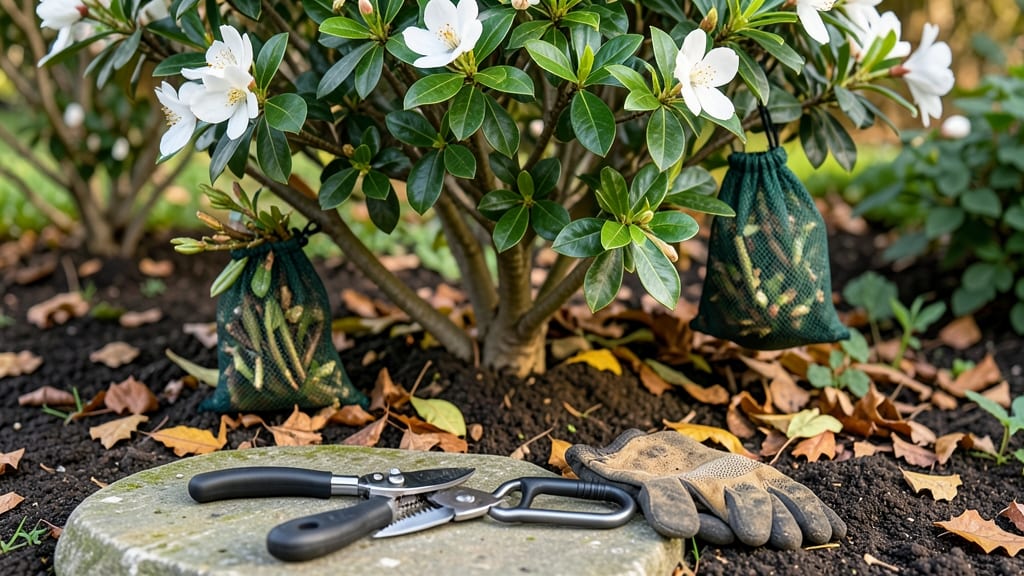
Your mock orange bush (Philadelphus) can become a fragrant superstar with the right trimming. ✨ The secret to year-round blooms lies in timing—prune after flowering and again in late winter, shaping the bush to encourage dense growth and more fragrant blooms.
You’ll need sharp pruning shears, a pair of gloves, and a clear day to avoid stressing the plant. Start by removing any dead, crossing, or weak branches first—this opens up the center for better airflow and sunlight.
Mock orange responds well to light shaping, so don’t be afraid to trim back up to a third of the plant if needed.
After pruning, your bush will reward you with more abundant blooms next season and a fuller, bushier shape. The fragrant white flowers will appear earlier and last longer, filling your garden with their citrusy scent. Just avoid heavy pruning in fall, as new growth won’t harden off before winter.
Works for both small shrubs and larger specimens—just adjust the intensity based on the plant’s size. With this method, your mock orange will stay healthy, vibrant, and bursting with fragrance for years to come.
📚 In This Guide
- What you need
- Instructions
- Tips and common mistakes
- Wrapping up and next steps
What you need
- ● Bypass pruners: Sharp, clean pruners with 4- to 6-inch blades for cutting stems up to ½-inch thick. Bypass pruners (not anvil-style) ensure cleaner cuts.
- ● Loppers: For thicker stems (½-inch to 1½-inch diameter). Choose bypass loppers with 8- to 10-inch handles for leverage.
- ● Hand saw: A pruning saw with a curved blade for stubborn, woody branches (1½+ inches thick).
- ● Gloves: Garden gloves with cut-resistant palms to protect from thorns and sharp tools.
- ● Disinfectant: Rubbing alcohol (70% isopropyl) or a pruning sealant to sterilize tools between cuts and prevent disease spread.
- ○ Garden twine or ties: Soft, flexible twine (optional but helpful) to secure branches during pruning if needed.
- ● Bucket or trash bag: A large container to collect pruned branches and debris.
- ● Ladder (if needed): A stable, extendable ladder (4-6 feet tall) for reaching higher branches safely.
- ● Pruning shears with extension pole: For high branches without a ladder.
- ● Sharpener: A file or whetstone to keep blades razor-sharp.
- ● Plant food or compost: Balanced fertilizer (10-10-10) or compost to nourish the bush post-pruning.
- ● Mulch: Organic mulch (shredded bark or straw) to retain moisture and protect roots.
- ● Safety glasses: To shield eyes from debris, especially when using a saw.
Step-by-step guide to trimming your mock orange bush
Here’s how I keep my mock orange bush thriving with fragrant blooms—no guesswork, just clean cuts and happy growth.
✂️ Step 1: Time Your First Cut After Spring Blooms
Wait until after the last flowers fall in spring—usually 4-6 weeks post-bloom. This lets the bush store energy for next year’s flowers. I always check for spent blooms first: if the flowers are gone but new buds are forming, it’s safe to trim. Never cut into next year’s blooms, or you’ll lose that sweet fragrance.
Use clean, sharp pruning shears (I sterilize mine with rubbing alcohol between cuts). Make your first cut just above a leaf node—that’s where new growth will sprout. Aim for a 45-degree angle to keep water from pooling on the cut. If you’re unsure where the node is, look for the tiny bump where leaves attach to the stem.
✂️ Step 2: Shape the Bush for Airflow and Light
Step back and visualize the bush’s natural shape. Mock orange bushes grow best when they’re open and airy, so I remove any crossing branches first—these rub together and create wounds. Cut them back to the main stem or a strong side branch. Next, thin out overcrowded areas by removing 1/3 of the oldest stems at the base. This encourages younger, more vigorous growth.
For height control, trim the tallest branches by 1/3 of their length. Never cut into the center of the bush—this creates a dense, shaded interior where flowers won’t thrive. If you’re unsure which branches to keep, prioritize the ones with the most healthy buds and upright growth. A well-shaped bush blooms more abundantly.
✂️ Step 3: Light Maintenance Pruning Mid-Season
In late summer or early fall, do a quick check for dead, diseased, or weak branches. Remove them immediately—mock orange bushes are prone to fungal issues if left unchecked. I also trim any shoots growing inward to keep the bush open. This isn’t a heavy pruning session; just light tidying to encourage airflow.
Watch for water sprouts—those are the fast-growing, weak stems that pop up vertically. Snip them off at the base. These shoots drain energy from the bush and rarely produce flowers. If you see any yellowing leaves or brown spots, that’s your cue to trim those branches back to healthy growth. Always disinfect your shears between cuts to prevent spreading disease.
✂️ Step 4: Final Winter Pruning for Next Year’s Blooms
After the first hard frost, do a final light pruning to clean up the bush and remove any damaged or weak stems. This is your last chance to shape it before dormancy. I focus on thinning out the center again—mock orange bushes can get too dense over time. Cut back any overly long branches by 1/3 to maintain balance.
Leave the strongest, healthiest stems—these will produce the most flowers next spring. Avoid heavy pruning in winter; mock orange bushes bloom on old wood, so you don’t want to remove next year’s flower buds. If you’re unsure, err on the side of caution and trim lightly. A well-maintained bush will reward you with fragrant blooms year after year.
Tips & tricks for pruning your mock orange bush
These little details make all the difference between a bush that thrives and one that just survives.
Timing is Everything: The 4-6 week window after spring blooms is your golden opportunity to prune without sacrificing next year's flowers. I can't stress enough how important it is to wait until those last blooms have completely fallen—this ensures the bush has stored enough energy for new growth. If you're unsure whether buds are forming, gently bend a small branch to check for new growth before cutting. This visual cue saves you from accidentally pruning away next year's fragrance.
Cutting Technique Matters: That 45-degree angle isn't just for looks—it's a water management strategy. When you cut at this angle, rainwater runs off the cut rather than pooling and creating entry points for disease. I always make my cuts just above a leaf node, which is where new growth emerges. Pro tip: If you're struggling to find the node, look for the tiny bump where leaves attach to the stem—this is your target spot for clean, precise cuts that encourage healthy regrowth.
Shape with Purpose: When you're thinning out overcrowded areas in Step 2, remember that every cut should serve a purpose. Removing 1/3 of the oldest stems at the base isn't just a random number—it's about making room for younger, more vigorous growth. I like to think of it as giving my bush a spa day: we're removing the tired, old stems to make space for fresh new ones that will produce more abundant blooms. This approach keeps your mock orange looking its best while maximizing flower production.
Seasonal Maintenance Strategy: That mid-season light tidying in late summer isn't just about aesthetics—it's about preventing fungal issues. Mock orange bushes are particularly susceptible to fungal problems, so removing dead or diseased branches immediately is crucial. I always carry a small bottle of rubbing alcohol with me when I prune to quickly sterilize my shears between cuts. This simple habit prevents cross-contamination that could spread disease throughout your bush. Think of it as your insurance policy for maintaining a healthy, disease-free plant.
Pro Tips for Trim A Mock Orange Bush
- These little details make all the difference between a bush that thrives and one that just survives.
- Timing is Everything: The 4-6 week window after spring blooms is your golden opportunity to prune without sacrificing next year's flowers.
- Cutting Technique Matters: That 45-degree angle isn't just for looks—it's a water management strategy.
Frequently asked questions
about trimming your mock orange bush—because even the pros need a little guidance! Here are answers to the most common queries to keep your fragrant beauty thriving.When is the best time to trim a mock orange bush?
Prune your mock orange bush right after flowering (late spring to early summer) to encourage next year’s blooms. Avoid heavy cuts in fall or winter, as these shrubs bloom on old wood. Light shaping can be done anytime, but never during active growth spurts.
Can I trim a mock orange bush in winter?
Winter is not ideal for major pruning, but you can do light maintenance (removing dead or crossing branches) if needed. Heavy cuts in winter may stimulate unwanted growth or damage dormant buds. Wait until spring for full pruning sessions.
Will trimming reduce my mock orange’s flowers?
If done correctly, no! Pruning after flowering promotes more blooms by redirecting energy. However, avoid cutting back into old wood (woody stems) or you’ll risk fewer flowers next season. Focus on shaping and removing spent blooms.
My mock orange bush isn’t blooming after trimming—what went wrong?
Over-pruning (cutting into old wood) or trimming before flowering are common culprits. Mock oranges bloom on last year’s growth, so avoid drastic cuts. If blooms are sparse, feed with balanced fertilizer in early spring and ensure it gets full sun.
Are there alternatives to mock orange if I struggle with pruning?
If mock orange’s pruning needs feel overwhelming, consider low-maintenance alternatives like Abelia, Weigela, or Pieris japonica. These shrubs tolerate light pruning and still offer fragrant blooms. Mock orange’s unique citrusy scent is hard to beat, though!
Wrapping up and next steps
Trimming your mock orange bush doesn’t have to be intimidating—with the right tools, timing, and technique, you’ll encourage lush, fragrant blooms year after year. Remember, patience and precision are key, whether you’re shaping for aesthetics or revitalizing growth.
Now that you’re armed with these tips, take a deep breath, grab your pruners, and give your bush the care it deserves!
🌿 Next step: Mark your calendar for your next trimming session—whether it’s spring cleanup, summer shaping, or winter prep—and watch your mock orange thrive with confidence! 🌸