
Pruning
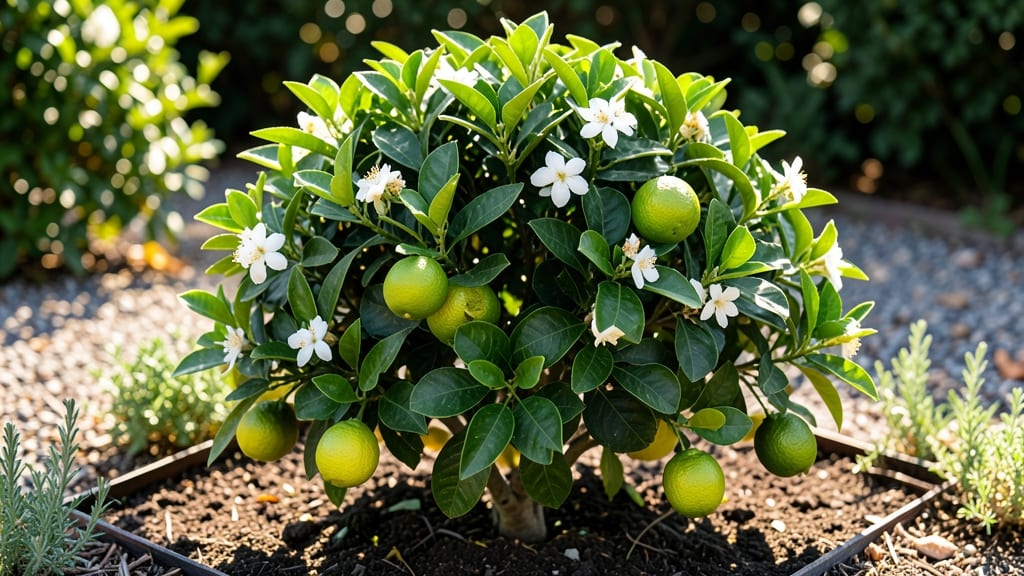
Growing a lemon lime citrus bush turns your patio into a fragrant paradise—year-round. 🌿 I’ve nurtured mine for three seasons, and the key to that intoxicating scent isn’t just the plant itself, but how you prune it.
The right cuts keep it compact, encourage new growth, and ensure those tiny, aromatic leaves keep producing. This bush thrives in zones 9-11, but with the right container and winter care, you can grow it almost anywhere.
It needs full sun (6+ hours daily) and well-draining soil—sandy loam or a mix of potting soil with perlite works best. Most beginners overwater, so let the top inch of soil dry out between waterings, and fertilize lightly every 6-8 weeks with citrus-specific feed.
The magic happens with layered trimming: cut back leggy stems in early spring, shape it in summer, and do a light cleanup in fall. You’ll end up with a bush that’s dense, fragrant, and productive, not a scraggly mess.
The leaves release their citrusy perfume just by brushing against them—imagine that scent wafting through your space all year. Works in containers (15-20 gallons) or in-ground, and even handles apartment balconies. Here’s how to keep yours thriving without the common pitfalls.
📚 In This Guide
- What you need
- Instructions
- Tips and common mistakes
- Wrapping up and next steps
What you need
- ● Lemon lime citrus bush (e.g., Citrus × aurantium or Citrus × limon) – 1 mature plant (3–5 years old for best results)
- ● Pruning shears – Bypass pruners (sharp, 5–7-inch blades) for clean cuts
- ● Hand pruners – Bypass or anvil type (for smaller branches, 4–6-inch blades)
- ● Gloves – Garden gloves (nitrile-coated for grip and protection)
- ● Disinfectant – 70% isopropyl alcohol or rubbing alcohol (1 small bottle)
- ○ Pruning sealant – Optional but recommended (e.g., Tanglefoot Tree Wound Pruning Seal, 4 oz)
- ● Buckets or bags – 2–3 gallon-sized containers (for trimmings and debris)
- ● Hose or water source – For post-pruning hydration
- ● Loppers – For thicker branches (8–12-inch reach)
- ● Extension pole pruners – For high branches (adjustable, 3–5 ft)
- ● Sharpener – Pruning shear sharpener (to maintain blade quality)
- ● Layering wire or clips – For air-layering (copper or plastic, 1–2 ft lengths)
- ● Mulch or compost – For post-pruning soil enrichment (2–3 inches)
How to prune a lemon lime citrus bush for year-round fragrance
Here's the method I rely on to keep your citrus bush lush, fragrant, and productive all year.
✂️ Step 1: Identify and Remove Dead or Diseased Growth
Start by inspecting the entire plant for any branches that are brown, brittle, or showing signs of disease like black spots or mold. These are the first to go—they drain the plant's energy and can spread problems. I like to use sharp, clean pruning shears to make cuts at a 45-degree angle just above a leaf node or outward-facing bud. This encourages new growth in the right direction.
If you spot any suckers—those small, vigorous shoots growing at the base or along the trunk—remove them immediately. These compete with your main structure for nutrients. You'll know you're doing it right when you're left with a clean framework of healthy green stems and leaves.
🌿 Step 2: Thin Out Overcrowded Branches
Next, focus on the plant's interior. Look for branches that cross each other or grow inward, creating a dense tangle. These shaded branches rarely produce fruit or foliage and can trap moisture, inviting fungal issues. Use your shears to trim back any branches that are growing toward the center of the plant, cutting them back to their point of origin.
I aim to open up the plant's center to let sunlight and air circulate freely. This isn't just about looks—better airflow reduces humidity pockets where pests and diseases love to hide. After thinning, you should be able to see light filtering through to the inner branches.
☀️ Step 3: Shape for Light and Airflow
Now it's time to shape the plant. I prefer an open, vase-like form for citrus bushes—this maximizes sunlight exposure and airflow. Start by selecting 3-5 of the strongest, most upright branches as your main framework. These should be evenly spaced around the plant. Trim back any competing branches that grow too close to these main stems.
For the remaining branches, aim to create a natural, balanced shape. Cut back any that grow too long or leggy, trimming them just above a leaf node or bud. This encourages bushier growth. Step back occasionally to check your progress—you want a plant that looks full but not crowded.
⏰ Step 4: Light Pruning for Year-Round Blooms
Throughout the year, do light maintenance pruning to keep your citrus bush in top shape. After the plant finishes fruiting, trim back any spent branches by about one-third to encourage new growth. This is also a good time to shape the plant further, removing any branches that are growing in directions you don't want.
In late winter or early spring, just before new growth begins, do a final light pruning. This helps stimulate fresh, vigorous growth for the season ahead. Watch for new shoots emerging from old wood—these are prime candidates for pruning to encourage a fuller, more compact plant. You'll see new leaves and blossoms within a few weeks of this pruning.
🌱 Step 5: Clean Up and Apply Post-Pruning Care
After you've finished pruning, clean up any fallen debris and dispose of it properly—don't compost pruned material if it shows signs of disease. Sterilize your pruning tools with rubbing alcohol to prevent the spread of any potential pathogens. This is a critical step that many gardeners skip, but it makes a big difference in keeping your plant healthy.
Give your citrus bush a good drink of water after pruning to help it recover. You can also apply a balanced, slow-release fertilizer to support new growth. Keep an eye on the plant in the days following pruning—you should see fresh, vibrant growth emerging within a few weeks, signaling that your efforts were successful.
Tips & tricks for perfect lemon lime citrus bush trimming
Here's what nobody tells you about keeping your citrus bush thriving after the initial trim.
Tool Preparation: Before you start pruning, take 5 minutes to sharpen your shears and sterilize them with rubbing alcohol. Dull blades crush stems instead of making clean cuts, which stresses the plant. I also keep a small spray bottle of diluted bleach water (1 part bleach to 9 parts water) handy to disinfect tools between cuts on different branches—this prevents cross-contamination of any potential diseases.
Seasonal Timing: The late winter/early spring timing in Step 4 is critical for citrus bushes. This is when your plant naturally enters dormancy and has stored enough energy to regenerate. If you prune too early in winter, you risk exposing tender new growth to cold damage. Conversely, pruning too late in spring can interfere with the plant's flowering cycle. A good rule of thumb is to prune when you see the first signs of bud swell but before any leaves have unfurled.
Visual Cues for Pruning: When shaping in Step 3, look for the natural "V" shapes formed by branches growing away from the center. These create the open vase shape we want. For the one-third reduction in Step 4, imagine dividing the branch into thirds and cutting just above the first third—this gives you that perfect balance between stimulation and control. The goal is to maintain that open framework while encouraging bushier growth from the remaining branches.
Post-Pruning Observation: After completing all steps, keep a close eye on your plant for the first 7-10 days. You should see new growth emerging from the pruned areas within 2-3 weeks. If you don't see any new shoots after 4 weeks, your cuts may have been too severe or made at the wrong time. This is your plant's way of telling you it needs a gentler approach next time.
Pro Tips for Lemon Lime Citrus Bush
- Here's what nobody tells you about keeping your citrus bush thriving after the initial trim.
- Tool Preparation: Before you start pruning, take 5 minutes to sharpen your shears and sterilize them with rubbing alcohol.
- Seasonal Timing: The late winter/early spring timing in Step 4 is critical for citrus bushes.
Frequently asked questions
Got questions about keeping your lemon lime citrus bush thriving with year-round fragrance? We’ve got answers! Here are some of the most common queries from gardeners just like you.
How often should I trim my lemon lime citrus bush?
Trim your citrus bush lightly every 3–4 months to encourage bushier growth and better air circulation. For year-round fragrance, focus on shaping cuts in spring and summer—avoid heavy pruning in fall or winter, as this can stress the plant. Layered trimming (removing 1/3 of growth at a time) works best!
Can I prune my lemon lime citrus bush in winter?
Winter is not ideal for heavy pruning, as citrus plants are dormant and more vulnerable to cold stress. If you must trim, do so sparingly in mild winter months (like late winter in Zone 9+) and avoid cutting into old wood. Focus on dead or diseased branches instead. Wait until spring for major shaping!
Why aren’t my lemon lime leaves fragrant anymore?
Dull fragrance often signals nutrient deficiency (like nitrogen or zinc) or overwatering. Check soil moisture—citrus prefers well-draining soil and consistent but not soggy watering. A balanced citrus fertilizer in early spring can revive scent. Also, prune lightly to reduce overcrowding, which can weaken aroma.
What’s a good alternative if my citrus bush doesn’t thrive?
If your lemon lime citrus bush struggles in your climate, try hardier alternatives like Murraya paniculata (orange jasmine) or Citrus × aurantium (bitter orange). Both offer fragrant blooms and are more cold-tolerant. For containers, dwarf Meyer lemon is a great low-maintenance pick!
What should I do if my citrus bush gets brown leaves after trimming?
Brown leaves post-pruning usually mean stress from over-trimming or underwatering. Trim only 1/3 of new growth at a time, and water deeply afterward. If leaves stay brown, check for pests (like spider mites) or fungal issues—neem oil can help. Avoid fertilizing until new growth appears!
Wrapping up and next steps
Transforming your lemon lime citrus bush into a fragrant, year-round beauty is simpler than you think! With the right tools, timing, and techniques—like layered trimming and seasonal care—you’ll enjoy a thriving bush that delights the senses.
Whether you’re a pruning pro or just starting, every snip brings you closer to that lush, lemony paradise.
Ready to take the next step? 🌿 Grab your shears and schedule your first trim this weekend! Your citrus bush (and your nose!) will thank you. 😊