
Pruning
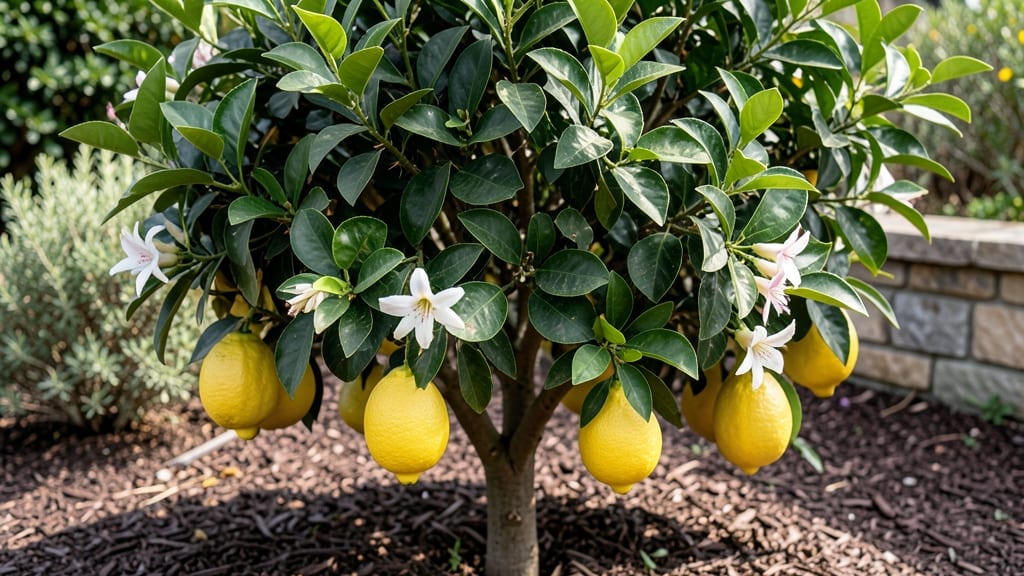
Your Meyer lemon bush care starts with three simple secrets: sunlight, water, and the right cuts. 🌿 This isn't your average lemon tree—it's a fragrant, productive bush that rewards smart pruning with year-round blooms and fruit.
I've learned the hard way that skipping pruning means fewer lemons and more tangled branches, but the right technique transforms it into a compact, productive powerhouse.
First, give it 6-8 hours of sunlight daily and well-draining soil—sandy loam works best. Water deeply when the top inch feels dry, but avoid soggy roots.
The magic happens in late winter or early spring when you prune: cut back overcrowded branches to open the center, and shape it into an airy bush. This isn't about harsh cuts—think gentle shaping to encourage new growth where you want it.
By summer, you'll see fresh green leaves pushing from those pruned spots, and within months, fragrant white flowers will appear—followed by sweet, juicy lemons. The bush stays manageable, produces more fruit, and even smells amazing when you brush past it.
It's the kind of plant that makes neighbors stop and ask, "What is that incredible smell?"
Works in containers or in-ground, in zones 9-11, with a little winter protection for colder climates. The key is consistency: prune once a year, fertilize lightly in spring, and watch it thrive. Here's how to keep yours happy all season long.
📚 In This Guide
- What you need
- Instructions
- Tips and common mistakes
- Wrapping up and next steps
What you need
- ● Meyer lemon bush: 1 healthy plant (potted or in-ground, 1–3 years old for best pruning results).
- ● Pruning shears: 1 pair of sharp, bypass-pruning shears (avoid dull tools—clean cuts prevent disease!).
- ● Gloves: 1 pair of gardening gloves (nitrile or leather for grip and protection).
- ● Disinfectant: 70% rubbing alcohol or hydrogen peroxide (to sterilize tools between cuts).
- ○ Pruning sealant (optional but helpful): Pruning wax or tree paint (for larger cuts to prevent sap loss).
- ● Compost or mulch: 2–3 gallons of organic compost or mulch (to replenish soil after pruning).
- ● Watering can or hose: 1 with a gentle spray nozzle (for post-pruning hydration).
- ● Support stakes or trellis (if needed): 2–4 bamboo stakes or a small trellis (for young or top-heavy bushes).
- ● Loppers: 1 pair for thicker branches (½" or larger).
- ● Hand pruners: 1 pair for smaller trims (great for detail work!).
- ● Fertilizer: Citrus-specific fertilizer (apply 4–6 weeks post-pruning).
- ● Plant food: Slow-release pellets or liquid feed (for a nutrient boost).
- ● Pruning guide: A printed chart or app (to track growth and pruning schedule).
How to care for a Meyer lemon bush year-round
Here’s the straightforward routine I’ve used to keep my Meyer lemon bush thriving indoors and outdoors—with the bonus of fragrant blossoms all year.
🪴 Step 1: Choose the Right Location for Sunlight and Temperature
Meyer lemons need 6-8 hours of direct sunlight daily—near a south-facing window works indoors, but you’ll see leggy growth if it’s too far away. Outdoors, they thrive in USDA Zones 9-11 or in pots that can be moved indoors when temperatures drop below 40°F. If you’re growing in a container, rotate it weekly so the bush grows evenly toward the light.
Watch for yellowing leaves—this is your signal the plant isn’t getting enough light. If that happens, move it closer to the window or supplement with a grow light for 12-14 hours daily. In winter, keep the room between 60-70°F to prevent dormancy, which slows fruit production.
💧 Step 2: Water Deeply and Maintain Consistent Moisture
Water when the top 1-2 inches of soil feel dry—stick your finger in the soil to check. Overwatering is the fastest way to kill a Meyer lemon bush, so avoid soggy soil. Use room-temperature water to prevent shocking the roots, and ensure the pot has drainage holes to prevent root rot.
In summer, you might water every 2-3 days, but reduce to once a week in winter when growth slows. If the leaves start curling or dropping, you’re either underwatering or overwatering—check the soil moisture first. A saucer under the pot helps catch excess water, but empty it after 10 minutes to avoid sitting water.
✂️ Step 3: Prune for Shape and Airflow Year-Round
Prune in early spring (just as new growth begins) to shape the bush and encourage airflow. Cut back overly long branches by one-third to promote bushier growth. Always use clean, sharp pruning shears to avoid tearing the bark, which invites disease.
Remove any dead, diseased, or crossing branches first—these compete for energy and block sunlight. After pruning, apply a balanced citrus fertilizer (like 6-6-6) to support new growth. If you see small, yellow leaves after pruning, it’s normal—the plant is redirecting energy to fill out its structure.
🌱 Step 4: Fertilize and Encourage Flowering
Feed your Meyer lemon bush every 4-6 weeks during spring and summer with a citrus-specific fertilizer (or a balanced 10-10-10). In fall and winter, reduce feeding to once every 8-10 weeks—over-fertilizing in cooler months stresses the plant. Always water the soil 24 hours before fertilizing to prevent root burn.
To encourage blooms (and eventually fruit), keep the plant slightly pot-bound—root-bound stress triggers flowering. If you notice small white flowers appearing, that’s your cue to reduce watering slightly and keep the plant in bright, indirect light for a few weeks. Flowers often drop if the plant is stressed, so consistency is key.
⏰ Step 5: Protect from Pests and Seasonal Shifts
Check leaves weekly for spider mites, aphids, or scale—these pests love citrus. Wipe leaves with neem oil or insecticidal soap if you spot any. Outdoors, watch for citrus leaf miners, which leave telltale white trails on leaves. Remove heavily infested leaves immediately and treat with organic pest control like horticultural oil.
In winter, if your plant is indoors, increase humidity with a pebble tray or humidifier—dry air causes leaf drop. If you’re moving it outdoors in spring, harden it off over 7-10 days by gradually increasing sun exposure. You’ll know it’s adjusting well when new leaves emerge bright green and firm within a few weeks.
Tips & tricks for perfect Meyer lemon bush care
Keeping your Meyer lemon bush thriving takes a few key tricks that most gardeners overlook—here's what I've learned after years of growing them indoors and out.
Lighting Secret: If your plant starts stretching toward the window (a sign of legginess), it's not getting enough light. Move it closer or supplement with a grow light for 12-14 hours daily—this mimics the long daylight hours citrus plants need. I use a simple LED grow light on a timer, and my plants stay compact and healthy. The key is consistency: don't let them go more than a few days without proper light or you'll see weak growth.
Pruning Precision: When you prune those overly long branches in early spring, cut back by exactly one-third—this isn't arbitrary! It creates new growth points while maintaining the plant's energy balance. I always sterilize my pruning shears with rubbing alcohol first to prevent spreading disease. After pruning, I notice the plant redirects energy to fill out its structure, which is why you might see small yellow leaves temporarily—that's normal and part of the process.
Watering Wisdom: The 10-minute rule for saucer drainage is non-negotiable. I've learned this the hard way—leaving water sitting in saucers for too long leads to root rot faster than you'd think. Also, always use room-temperature water to avoid shocking the roots. In winter, I reduce watering to once a week because growth naturally slows down, and the soil stays moist longer. The finger-in-soil test is your best friend here—if the top 1-2 inches feel dry, that's your cue.
Fertilizing Timing: That 24-hour watering rule before fertilizing is crucial to prevent root burn. I always set a reminder in my phone for this because it's easy to forget. In winter, I switch to a low-nitrogen fertilizer (like 3-4-6) to support dormancy without encouraging new growth that won't survive. The plant's natural root-bound stress actually helps trigger those beautiful white flowers—just don't overdo it with the fertilizer!
Pro Tips for Meyer Lemon Bush Care
- Keeping your Meyer lemon bush thriving takes a few key tricks that most gardeners overlook—here's what I've learned after years of growing them indoors and out.
- Lighting Secret: If your plant starts stretching toward the window (a sign of legginess), it's not getting enough light.
- Pruning Precision: When you prune those overly long branches in early spring, cut back by exactly one-third—this isn't arbitrary!
Frequently asked questions
Got questions about keeping your Meyer lemon bush thriving? Here are some of the most common concerns—and their answers—to help you grow a fragrant, productive plant with ease!
How often should I prune my Meyer lemon bush?
Prune your Meyer lemon bush twice a year: once in late winter/early spring (before new growth) to shape the plant and remove dead wood, and again in summer (after flowering) to encourage fruit production. Light trimming between harvests keeps it tidy. Avoid heavy pruning in fall—it can stress the plant before winter.
Can I grow a Meyer lemon bush in a pot? If so, what size container do I need?
Meyer lemons thrive in containers, making them perfect for patios or small spaces. Use a pot at least 15–20 gallons (18–24 inches deep) with drainage holes. Opt for self-watering pots in hot climates to prevent root stress. Just ensure it gets full sun (6+ hours daily) and repot every 2–3 years as it grows.
How do I protect my Meyer lemon bush from frost or cold temperatures?
Meyer lemons are semi-tender and can’t handle frost (below 28°F). If you live in a cold climate, move potted plants indoors near a sunny window or grow them in the ground with heavy mulch (straw or leaves) around the base. For outdoor bushes, wrap the trunk in burlap or use a frost cloth. Avoid pruning until after the last frost!
Why are my Meyer lemon leaves turning yellow? Is it a disease or something else?
Yellow leaves are usually a sign of overwatering or nutrient deficiency. Check the soil—it should be slightly moist but not soggy. If the yellowing starts on older leaves, it’s likely normal aging. For new leaves turning yellow, test soil pH (ideal: 6.0–7.0) and fertilize with a citrus-specific feed (high in iron/zinc). Pests like spider mites can also cause yellowing—inspect undersides of leaves!
Can I propagate my Meyer lemon bush from cuttings? How do I do it?
Yes! Take 4–6 inch cuttings from healthy, non-flowering stems in spring/summer. Dip the cut end in rooting hormone, then plant in a mix of perlite and peat moss. Keep the soil moist and place in bright, indirect light (avoid direct sun). Roots should form in 4–8 weeks. Transplant once established!
Wrapping up and next steps
Caring for your Meyer lemon bush is a rewarding journey that fills your space with fragrant blooms and zesty fruit year-round! With the right pruning cuts, sunlight, and a little TLC, you’ll enjoy a thriving plant that’s both beautiful and productive. 🌿✨
Ready to take the next step? Start small—pick one pruning task this week, like removing dead branches or shaping your bush. Before you know it, your Meyer lemon will be flourishing, and you’ll be the proud gardener of a citrus masterpiece!