
Pruning
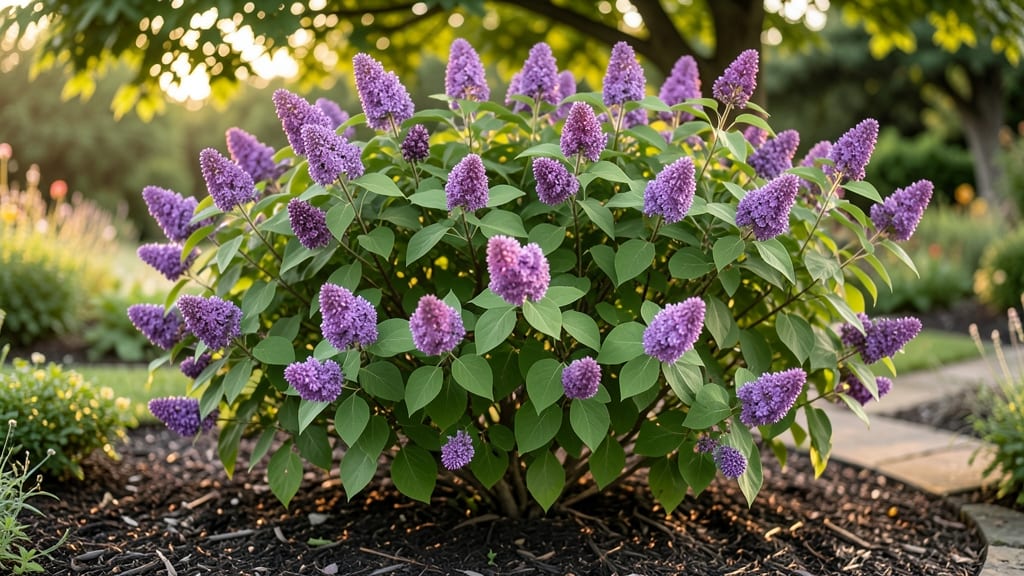
Your lilac bush growth depends on one critical move: timing pruning to the season. 🌸 I’ve watched my own lilacs go from sparse, leggy bushes to fragrant, flower-covered giants by following a simple calendar—one that turns summer blooms into year-round abundance. The secret isn’t complicated, but the timing is everything.
Lilacs thrive in full sun and well-draining soil, but their growth hinges on pruning after they bloom—not before. Most gardeners mess this up by cutting too early, and that’s how you end up with no flowers.
The right approach means blooms in May, June, and even late summer if you play your cards right. You’ll need basic pruners, gloves, and a sharp eye for the right branches.
By late summer, you’ll see lush, dense foliage with buds forming for next year’s flowers. The key is removing only the oldest stems (those over 3 years old) to keep the bush compact and healthy.
This isn’t about drastic cuts—it’s about encouraging new growth where it matters most. Your lilacs will reward you with more fragrance, bigger blooms, and fewer bare spots every season.
Works for all lilac varieties, from classic Lavender to modern hybrids. Once you master the calendar, your bushes will become the showstopper of your garden—year after year. Let’s get those shears ready!
📚 In This Guide
- What you need
- Instructions
- Tips and common mistakes
- Wrapping up and next steps
What you need
- ● Pruning shears or loppers: Sharp, bypass-style shears (4–6" blades) for clean cuts. Loppers (8–10" blades) for thicker stems.
- ● Hand pruners: For delicate trimming of small branches (avoid dull blades—always sanitize with rubbing alcohol after use!).
- ● Garden gloves: Heavy-duty, cut-resistant gloves (e.g., leather or Kevlar) to protect hands from thorns.
- ○ Disinfectant (optional but recommended): 1-part bleach to 9-parts water for sterilizing tools between cuts.
- ○ Pruning sealant (optional): For sealing large cuts (e.g., Tanglefoot Pruning Seal or tree paint).
- ○ Garden twine or tape (optional): To mark branches for removal or support.
- ● Know your lilac’s age: Mature bushes (3+ years) need hard pruning; younger ones only light shaping.
- ● Check the season: Prune lilacs right after blooming (late spring/early summer) or in late winter (before buds swell).
- ● Weather conditions: Choose a dry, overcast day to avoid stressing the plant.
- ● Safety gear: Safety glasses (if dealing with large branches) and closed-toe shoes.
Step-by-Step instructions for year-round lilac bush care
Here's the seasonal rhythm I follow to keep my lilacs blooming reliably for decades.
✂️ Step 1: Prune Immediately After Spring Blooms
Right after flowers fade in late spring, cut back spent blooms to the first set of healthy leaves below the flower cluster. This ensures next year’s buds form on new growth. I use sharp bypass pruners to make clean cuts at a 45-degree angle—this prevents water from pooling on the cut and rotting the stem.
Remove any crossing or rubbing branches that create wounds. These weak points invite disease and reduce air circulation. You’ll notice new shoots emerging from the base within weeks—that’s your lilac’s way of saying "thank you" for the fresh start.
☀️ Step 2: Light Summer Maintenance for Airflow
Throughout summer, remove any dead or diseased branches as soon as you spot them. Lilacs are tough, but they’ll send energy to weak stems if you ignore them. I also thin out overcrowded areas to improve airflow—this keeps powdery mildew at bay, which can turn leaves gray and crispy.
Skip heavy pruning now. The plant needs all its energy for root growth and next year’s flower buds. Just a quick once-over with shears keeps things tidy without stressing the bush.
⏰ Step 3: Major Renewal Pruning in Late Summer
Six to eight weeks after blooming, do a rejuvenation prune to remove up to one-third of the oldest wood. Cut branches back to strong lateral branches or the main stem. This forces new growth that will produce more flowers next season.
I mark branches with masking tape before cutting—this helps visualize the shape. After pruning, I fertilize lightly with balanced 10-10-10 to support new growth. You’ll see fresh green shoots by fall, signaling the bush is recovering well.
🌱 Step 4: Winter Protection and Early Spring Prep
In late winter (just before buds swell), give the bush a light shaping trim to remove any dead wood or awkward growth. This prevents a messy look when spring arrives. I avoid heavy cuts now—the plant needs all its energy to break dormancy.
Mulch around the base with 2-3 inches of organic mulch to protect roots from freeze-thaw cycles. Water deeply before the ground freezes if your winter is dry. The goal is to wake up in spring with a bush ready to bloom.
💧 Step 5: Post-Bloom Care for Next Year’s Flowers
After flowers fade in spring, do not cut back the stems—the seed pods form on these branches, and next year’s flower buds develop along the current year’s growth. Instead, focus on removing only the oldest, thickest branches (over 3 years old) to maintain vigor.
I feed my lilacs with compost tea in early spring to boost root health. The key is patience—lilacs reward consistent, gentle care with decades of fragrant blooms. Watch for new shoots at the base each year; these are your bush’s future framework.
Tips & tricks for perfect lilac bush growth
Keeping lilacs blooming year after year takes a few key tricks—here's what I've learned after years of trial and error.
Timing is Everything: The six-to-eight-week window after blooming for your rejuvenation prune (Step 3) is critical. This timing ensures the bush has recovered from spring blooms but still has time to develop next year's flower buds before winter. I mark my calendar with the bloom date and set a reminder for exactly six weeks later—no exceptions. The goal is to complete this prune before September in most climates, giving the bush time to establish new growth before dormancy.
Visual Cues for Pruning: When doing your spring prune (Step 1), look for the first set of healthy leaves below each spent bloom cluster—this is your target cut point. I've found that counting three to five leaves below the flower cluster gives me the best balance between removing old blooms and preserving next year's buds. For the rejuvenation prune (Step 3), focus on branches that are thicker than a pencil—these are typically the oldest wood that needs removal. The new shoots you'll see by fall will be thinner and more flexible.
Equipment Matters: Invest in a pair of sharp bypass pruners—they make clean cuts that heal faster than jagged cuts from dull tools. I also keep a small bottle of rubbing alcohol handy to wipe down my pruners between cuts, which prevents spreading any potential diseases between branches. For larger branches, I use loppers with a bypass blade to maintain the same clean cuts. Remember, the cleaner the cut, the faster the wound seals and the less chance of infection.
Seasonal Adjustments: In colder climates, you might need to adjust your winter mulch depth (Step 4) to 3-4 inches instead of the standard 2-3 inches. The extra insulation helps protect roots from extreme temperature fluctuations. I also recommend using straw or leaves for mulch in winter—they break down more slowly than wood chips and provide better insulation. In warmer climates, you can reduce the mulch to 1-2 inches and focus more on consistent watering during dry periods.
Pro Tips for Lilac Bush Growth
- Keeping lilacs blooming year after year takes a few key tricks—here's what I've learned after years of trial and error.
- Timing is Everything: The six-to-eight-week window after blooming for your rejuvenation prune (Step 3) is critical.
- Visual Cues for Pruning: When doing your spring prune (Step 1), look for the first set of healthy leaves below each spent bloom cluster—this is your target cut point.
Frequently asked questions
Got questions about keeping your lilac bush thriving? Here are answers to the most common concerns about lilac bush growth—from timing to troubleshooting—so you can enjoy those fragrant blooms year after year!
When is the best time to prune lilacs for maximum blooms?
Prune lilacs right after flowering (late spring to early summer) to encourage next year’s blooms. Avoid heavy pruning in fall or winter, as lilacs bloom on old wood. Light shaping is fine in late winter, but wait until buds swell before major cuts!
How long does it take for a lilac bush to grow to full size?
Lilacs grow at a moderate pace—expect 12–24 inches per year under ideal conditions. A mature bush (6–12 feet tall) typically takes 3–5 years from planting. Patience pays off, though! Pro tip: Prune young bushes lightly to encourage bushier growth.
Why isn’t my lilac bush blooming this year?
Lilacs skip blooms for a few common reasons:
- Over-pruning (cutting back into old wood removes next year’s buds).
- Poor sunlight (they need 6+ hours of sun daily).
- Young age (wait 2–3 years after planting).
- Disease or pests (check for powdery mildew or borers).
Can I grow lilacs in containers? How do I care for them?
Yes! Lilacs thrive in large containers (20+ gallons) with well-draining soil. Use a balanced fertilizer (10-10-10) in early spring and water deeply when the top inch of soil dries. Key tip: Move containers to a sunny spot in summer and protect from harsh winter winds.
How do I revive a leggy or overgrown lilac bush?
Rebuild a leggy lilac with rejuvenation pruning in late winter or early spring:
- Cut back 1/3 of the oldest stems to the ground each year for 3 years.
- Remove dead or crossing branches first.
- Fertilize lightly after pruning to support new growth.
Are lilacs drought-tolerant once established?
Once mature (after 2–3 years), lilacs are moderately drought-tolerant but perform best with regular watering during dry spells. Mulch around the base to retain moisture and reduce weeds. Warning: Overwatering can lead to root rot, so ensure soil drains well!
Wrapping up and next steps
Growing a thriving lilac bush with nonstop blooms is all about timing, patience, and a little seasonal TLC!
By following this pruning calendar, you’ll encourage healthier growth, vibrant flowers, and years of fragrant beauty. 🌸 Remember, the key is to prune at the right time—never after mid-summer—and always use sharp tools for clean cuts.
Ready to transform your garden? Start small—pick one season to focus on first, then build your confidence. Before you know it, your lilac bush will be the showstopper of your yard! 🌱 Next, grab your shears and schedule your first trim!