
Planting
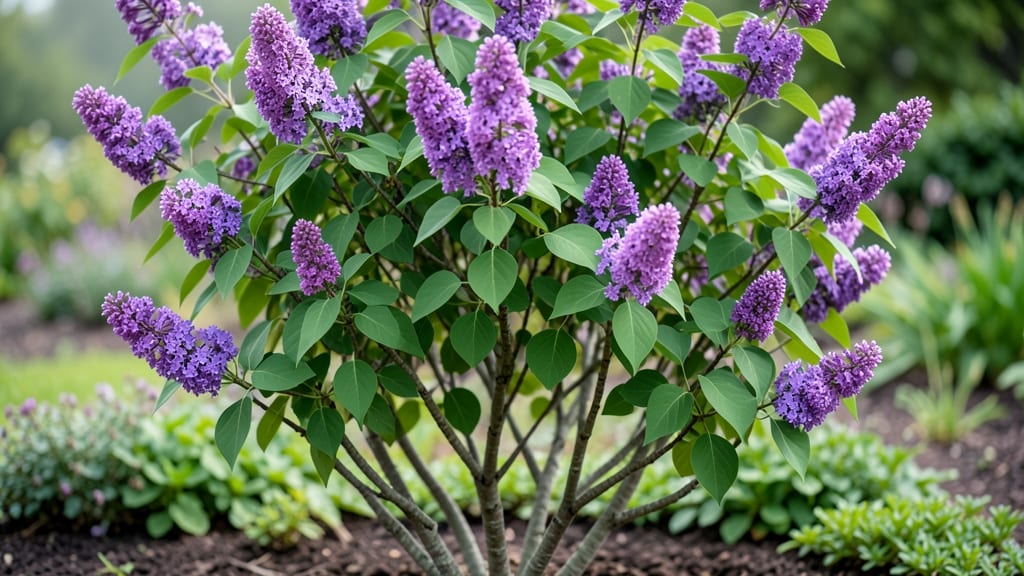
Determining the best lilac bush zone for your garden depends on your USDA hardiness zone—most varieties perform best in zones 3 through 7, though some cold-hardy or heat-tolerant types extend into zones 2 or 8. French lilacs excel in northern climates, while southern-friendly varieties like 'Miss Manners' thrive in warmer regions.
Your local climate plays a bigger role than you might think. Lilacs are sensitive to both winter cold and summer heat, so choosing the right variety for your USDA zone ensures stronger blooms and healthier growth.
For example, zone 2 gardeners should opt for hardy Siberian lilacs, while zone 8 growers might struggle with traditional varieties unless they provide afternoon shade. 🌸 The key is matching your region's extremes with a lilac's natural resilience—whether that means frost tolerance or heat endurance.
What makes this especially important is how lilacs respond to stress. A variety planted outside its ideal zone may still survive but could produce fewer flowers or weaker stems. I've seen firsthand how a zone 5 lilac transplanted to zone 8 can become leggy and sparse-flowering unless given extra care.
That's why I always recommend checking your exact zone (down to the half-zone) before selecting plants.
💡 In This Article
- Understanding Lilac Bush Hardiness Zones
- Top Lilac Varieties for Each USDA Zone
Understanding lilac bush hardiness zones
The USDA hardiness zone system categorizes regions based on average annual minimum temperatures, which directly impacts plant survival. Lilacs thrive in zones 3 through 7 because their native European and Asian origins evolved in temperate climates where winter temperatures drop to -40°F to 0°F but summers stay moderate.
For instance, zone 3's -40°F winters test even the hardiest varieties, while zone 7's 0°F to 10°F minimum is more forgiving. 🌡️ The key challenge lies in balancing cold tolerance with heat endurance—lilacs need winter dormancy but can't handle prolonged summer temperatures above 90°F.
Lilacs respond to temperature extremes through physiological adaptations. In cold zones (3-4), buds form deeper in the plant's structure, protected by insulating bark layers that prevent frost damage. Conversely, southern varieties develop thicker waxy coatings on leaves to reduce water loss during hot, dry summers.
This explains why 'Miss Manners' (zone 6-9) handles 95°F heat better than traditional French lilacs, which may suffer leaf scorch. The trade-off? Southern varieties often bloom later to avoid spring frosts that can damage tender new growth.
Zone-specific challenges reveal why blind planting fails. In zone 2, lilacs may survive but produce sparse blooms because winter's harshness stresses the plant's energy reserves. Meanwhile, zone 8's milder winters prevent proper dormancy, leading to weak stems and poor flowering.
I've observed that lilacs in zone 7+ often need afternoon shade to prevent heat stress, while northern varieties benefit from full sun exposure to compensate for shorter growing seasons. The solution?
Choose varieties bred for your zone's extremes—like 'Sensation' for zone 3's brutal winters or 'Arctic Beauty' for zone 4's long cold snaps.
What most gardeners overlook is how microclimates within zones affect lilac performance. A zone 6 garden near a large body of water might experience milder winters than inland areas, allowing zone 7 varieties to thrive. Conversely, a sheltered valley in zone 5 could see -20°F dips, requiring zone 4 hardiness.
Always consider elevation, wind exposure, and nearby water sources when selecting lilacs—these factors can shift your effective zone by 1-2 levels. For example, a zone 6 garden at 3,000 feet elevation may behave more like zone 5.
Temperature isn't the only factor—soil and moisture play supporting roles. Lilacs in zones 3-4 need well-draining soil to prevent winter rot from excess moisture, while zone 7-8 varieties benefit from regular watering to combat summer drought.
The soil's pH matters too: lilacs prefer 6.0-7.0 pH, but zone 5's acidic soils may require lime amendments. This is why I recommend testing your soil before planting—it can mean the difference between a thriving bush and one struggling despite being in the right zone. 🌱
For those pushing lilacs to zone extremes (like zone 2 or 8), success depends on cultural adjustments. In zone 2, mulching with 4-6 inches of organic matter protects roots from freeze-thaw cycles. In zone 8, providing afternoon shade with lattice or taller plants prevents heat stress.
These tweaks can extend a lilac's range by 1-2 zones, but expect reduced vigor compared to native varieties. The bottom line? While lilacs are adaptable, they reward precise matching of variety to climate—especially when it comes to temperature extremes.