
Pruning
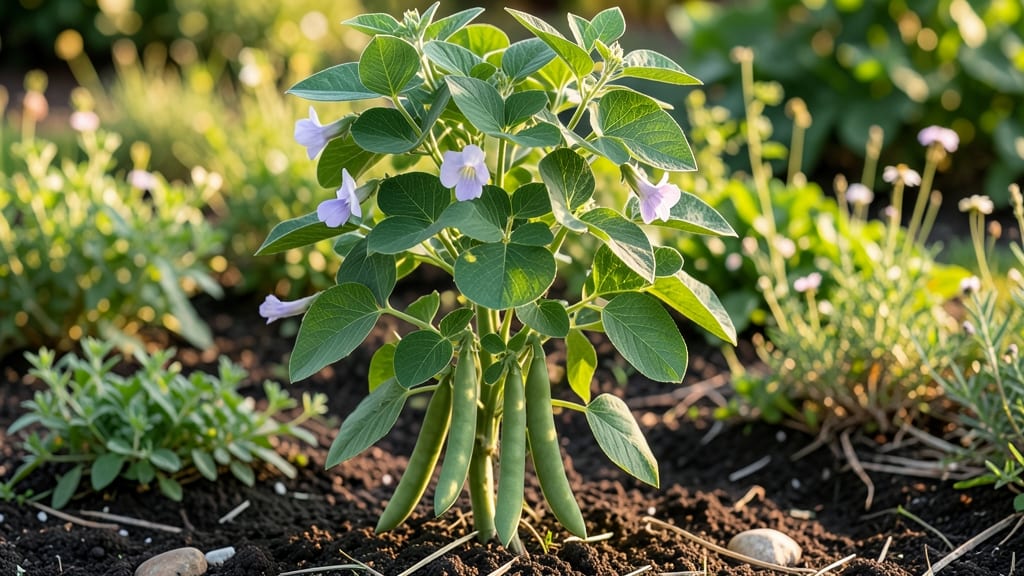
Maxibel bush beans deliver smooth, flavorful pods that stay productive for months—no fussy trellis required. 🌱 I’ve grown them for five seasons now, and their compact growth and disease resistance make them the perfect choice for small spaces or busy gardeners.
The key lies in proper spacing, consistent moisture, and knowing exactly when to harvest for that sweetest flavor. These beans thrive in full sun (6-8 hours daily) and well-draining soil with a pH of 6.0-7.0.
Plant seeds 1 inch deep, 4 inches apart in rows spaced 18-24 inches apart. Maxibel’s bush habit means no staking is needed, but a lightweight cage can help keep plants upright if winds are strong.
Start seeds indoors 2-3 weeks before your last frost or sow directly after soil warms to 60°F. Once established, keep soil evenly moist—never soggy—and mulch to retain moisture. A light application of balanced fertilizer (10-10-10) at planting and again when flowers appear boosts yields.
You’ll start harvesting 50-60 days after planting, with pods ready when they’re 3-4 inches long and firm. A single plant produces 10-12 pods, and with successive plantings, you can enjoy fresh beans for weeks.
What sets Maxibel apart is its heat tolerance and resistance to common bean diseases like rust and mosaic virus. Their mild, buttery flavor holds up well in salads, stir-fries, or steamed dishes. For best results, pick frequently—this encourages more production and keeps the flavor peak.
With these care tips, you’ll enjoy a steady, homegrown harvest without the fuss of pole beans.
📚 In This Guide
- What you need
- Instructions
- Tips and common mistakes
- Wrapping up and next steps
What you need
- ● Maxibel bush bean seeds – 1 lb (enough for ~1,500 plants, or ~100 ft of row). Opt for certified organic or heirloom seeds for best results.
- ● Well-draining potting mix or garden soil – 5+ gallons per plant (or enrich garden soil with compost). Aim for a pH of 6.0–7.0.
- ● Support stakes or trellis system – 4–6 ft tall stakes (bamboo, metal, or wooden) spaced 18–24 inches apart, or a low-cost alternative: repurposed wire mesh or cattle panels.
- ● Organic fertilizer – Balanced 10-10-10 or compost (1 cup per plant at planting, plus side-dressing mid-season). Avoid high-nitrogen blends.
- ● Mulch (straw, grass clippings, or shredded leaves) – 2–3 inches thick to retain moisture and suppress weeds.
- ● Hand trowel or transplanter – For planting seeds 1–1.5 inches deep, 3–4 inches apart.
- ○ Garden twine or soft plant ties – To secure vines to stakes (optional if using self-supporting varieties).
- ● Watering can or hose with gentle nozzle – Keep soil consistently moist but not waterlogged.
- ● Pruning shears – For harvesting and light pruning (remove yellowing leaves to encourage airflow).
- ● Sunlight access – 6+ hours of direct sunlight daily (partial shade tolerates 4–5 hours in hot climates).
- ○ Container option (optional) – 5-gallon pots or fabric grow bags (1 plant per container) for balcony/patio growing.
How to grow Maxibel bush beans with smart staking for extended harvests
Maxibel beans thrive when you combine their natural bush growth with strategic staking. Here's my foolproof method for maximizing yields.
🌱 Step 1: Prepare Soil and Plant Seeds at Ideal Depth
Maxibel beans need well-draining soil with a pH between 6.0 and 7.0. Work in 2-3 inches of compost into the top 6 inches of soil to provide nutrients without overfeeding. These beans are sensitive to nitrogen overload—too much fertilizer produces leafy growth at the expense of pods.
Plant seeds 1 inch deep and 3-4 inches apart in rows spaced 18-24 inches apart. I like to plant them in blocks rather than straight rows—this gives me easier access to the plants for weeding and harvesting. Water the soil to a depth of 6 inches before planting to ensure good seed-to-soil contact.
🪴 Step 2: Install Stakes Early to Support Vertical Growth
Maxibel beans are technically "bush" varieties, but they respond beautifully to light staking. Drive 5-foot bamboo stakes into the ground at planting time, placing 2-3 stakes per 4-foot section of row. This creates a trellis effect that keeps plants upright and improves air circulation, reducing disease risk.
I use twine or soft plant ties to gently secure the main stems to the stakes as they grow. Don't tie too tightly—you want the plants to sway slightly in the wind, which strengthens their stems. Watch for the first true leaves to appear (they'll be round and smooth-edged), then begin training the plants upward when they reach 4-6 inches tall.
☀️ Step 3: Manage Water and Light for Continuous Production
Maxibel beans need 1-1.5 inches of water per week, delivered consistently. I water at the base of plants in the morning to prevent fungal diseases. These beans are particularly sensitive to moisture stress—if the soil dries out completely, they'll drop flowers and pods before they mature.
Provide full sun (6-8 hours daily). In hot climates, afternoon shade helps prevent pod shriveling. You'll know your plants are thriving when they produce white to lavender flowers continuously. Each flower cluster will develop 2-4 pods—harvest these when they're 4-5 inches long and still firm for best flavor.
✂️ Step 4: Prune and Harvest Strategically for Year-Round Yields
To encourage continuous production, pinch off any side shoots that form below the first flower cluster. This redirects the plant's energy upward. I also remove any yellowing leaves immediately—they harbor diseases that can spread to the pods.
Harvest pods every 2-3 days during peak production. Check plants in the morning when pods are crisp. If you miss a harvest window, pods will toughen and the flavor declines. For extended harvests, succession plant every 2 weeks—this ensures you always have fresh pods coming in.
🌿 Step 5: Extend the Season with Seasonal Adjustments
For spring plantings, use black plastic mulch to warm the soil and get an earlier start. In fall, cover plants with floating row covers to protect them from early frosts. Maxibel beans tolerate light frosts (28°F) but produce best when temperatures stay between 65-80°F.
I've grown Maxibel beans successfully in USDA zones 3-10 by adjusting planting times. In cooler zones, start seeds indoors 4-6 weeks before the last frost. In warm zones, plant in early spring and late summer to avoid the hottest months when pods develop a mealy texture.
Tips & tricks for perfect Maxibel bush bean harvests
These game-changing strategies will help you maximize your Maxibel bean yields while avoiding common gardening pitfalls.
Soil Preparation Secret: Before planting, mix in a handful of egg shells (crushed) with your compost. The calcium helps prevent blossom end rot in the pods later, and the beans will reward you with sweeter-tasting beans. I like to do this at planting time in Step 1—it's an easy upgrade that makes a noticeable difference. The key is to work it into the top 6 inches where the roots will develop.
Staking Technique That Works: In Step 2, I've found that using flexible plastic garden stakes instead of bamboo gives slightly better results. They're less likely to snap in windy conditions and provide more consistent support. Place them at planting time as instructed, but add an extra stake every 3 feet in wind-prone areas. The goal is to create a gentle trellis effect that guides the plants upward without restricting growth.
Watering Strategy: The 1-1.5 inches of water per week in Step 3 is crucial, but timing matters just as much. I've had the most success using a drip irrigation system set to deliver water early in the morning. This prevents fungal issues and ensures the water reaches the roots where it's needed. If you don't have drip irrigation, use a soaker hose placed at the base of plants—never water the leaves to avoid disease.
Harvesting Hack: When harvesting those 4-5 inch pods in Step 4, I always use sharp scissors to snip the stems just above the pod. This prevents damage to the plant and encourages more pods to form. I also harvest in the morning when the pods are at their crispest. Pro tip: If you notice any pods starting to yellow or toughen, harvest them immediately—they'll still be edible but lose their tender texture quickly.
Pro Tips for Maxibel Bush Beans
- These game-changing strategies will help you maximize your Maxibel bean yields while avoiding common gardening pitfalls.
- Soil Preparation Secret: Before planting, mix in a handful of egg shells (crushed) with your compost.
- Staking Technique That Works: In Step 2, I've found that using flexible plastic garden stakes instead of bamboo gives slightly better results.
Frequently asked questions
Got questions about growing Maxibel bush beans? You’re not alone! Whether you’re a seasoned gardener or just starting, these answers will help you master your harvest—no matter the season.
How long does it take for Maxibel bush beans to mature?
Maxibel beans are fast growers! From planting to harvest, expect 50–60 days in warm weather. If temperatures dip below 50°F (10°C), germination slows—so start seeds indoors or use row covers if needed. For year-round harvests, stagger plantings every 2–3 weeks.
Do I really need staking for bush beans?
While Maxibel beans are bush-type (not vining), staking still helps! Lightweight trellises or stakes improve air circulation, reducing disease risk and making harvesting easier. Skip staking only if space is tight—just ensure plants have room to sprawl (12–18 inches apart).
Why are my Maxibel beans flowering but not producing pods?
Common culprits include heat stress (above 85°F/29°C), poor pollination (humid weather or lack of bees), or over-fertilizing with nitrogen. Try hand-pollinating flowers with a paintbrush, thinning plants for better airflow, or providing afternoon shade in extreme heat.
Can I grow Maxibel beans in containers?
Choose 5-gallon pots or deeper containers with drainage holes. Use a lightweight potting mix and support plants with small stakes or cages. Just ensure containers get 6+ hours of sun daily and water consistently—container soil dries out faster than garden beds.
Are Maxibel beans cold-hardy enough for early spring/fall planting?
Maxibel beans thrive in warm soil (60°F/15°C+) but tolerate light frosts if planted after the last frost date. For cooler seasons, use black plastic mulch or row covers to warm the soil. Avoid planting when night temps drop below 45°F (7°C)—they’ll sulk until conditions improve!
What’s the best alternative if Maxibel beans fail?
Try these disease-resistant bush bean varieties:
- Blue Lake Bush – Classic, productive, and cold-tolerant.
- Contender – Resistant to common rust and mosaic virus.
- Provider – Heat-tolerant with high yields.
Wrapping up and next steps
Growing Maxibel bush beans is a rewarding way to enjoy a steady harvest with minimal fuss—thanks to their compact size and smart staking techniques! Whether you’re a beginner or a seasoned gardener, these beans thrive in small spaces and deliver delicious, homegrown goodness all season long. 🌱
Ready to put your new skills to the test? Start by planting a few Maxibel seeds this week, and soon you’ll be savoring fresh, crisp beans straight from your garden. Happy growing! 🌟